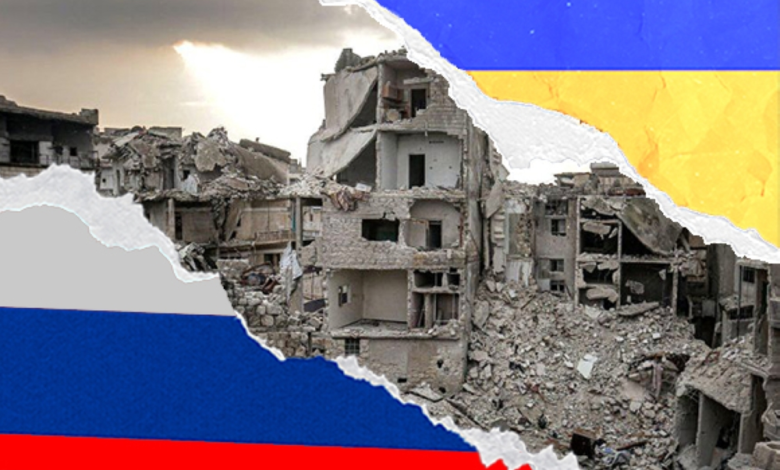

In a significant development that could alter the course of the conflict in Eastern Europe, Ukrainian President Volodymyr Zelensky a strong US desire to end the ongoing war between his country and Russia by next June. This announcement coincided with the US administration intensifying its diplomatic efforts, extending an invitation to both sides to hold a crucial round of negotiations next week in the United States, specifically in Miami, a move reflecting Washington's seriousness in turning the page on this bloody conflict.
US efforts to end the four-year conflict
These moves come at a highly sensitive time, as the war enters its fourth year, leaving enormous geopolitical and economic repercussions on a global scale. Zelensky explained in a press statement that Washington had offered to host the negotiating teams for the first time on its soil, indicating a more direct and substantial involvement by President Donald Trump's administration. These efforts aim to end the military operations that have drained the resources of both sides and negatively impacted the stability of global energy and food markets.
Despite the cautious optimism surrounding the June deadline, the path ahead remains fraught with obstacles. The two sides have already held two rounds of talks in Abu Dhabi since last January under US auspices, with results limited to humanitarian issues such as prisoner exchanges and the return of bodies, without achieving any substantial breakthrough on the thorny political and military matters.
Land dispute and the "Free Economic Zone" proposal
The territorial issue remains the major obstacle to any potential peace agreement. Moscow, which currently controls approximately 20% of Ukrainian territory, insists on full control of the Donetsk as a precondition, which would effectively mean the withdrawal of Ukrainian forces from their current positions there. Kyiv, however, rejects this proposal outright, demanding strict security guarantees to prevent a future invasion.
In an attempt to break the deadlock, Washington proposed the creation of a "free economic zone" in parts of Donetsk, free of military presence from both sides. While this proposal might seem like a compromise, Zelensky expressed reservations, emphasizing the need for "fair and reliable rules" before accepting any such arrangements, and pointing out that Russia had previously rejected a freeze on the conflict along the current front lines.
Nuclear concerns and national sovereignty
Alongside the conflict on the ground, the Zaporizhzhia nuclear power plant stands out as one of the most serious unresolved issues. The plant, the largest in Europe and under Russian control since the early days of the war, has yet to see any agreement reached on its management or security, leaving the specter of nuclear disaster looming over the region.
The Ukrainian president concluded his remarks by emphasizing national principles, stressing that any agreement the United States makes with Russia will not be acceptable unless Ukraine is an active participant, and that any final settlement must not conflict with the Ukrainian constitution and laws, thus putting the ball now in the court of the negotiators in Miami to find a formula that satisfies all parties before the June deadline.