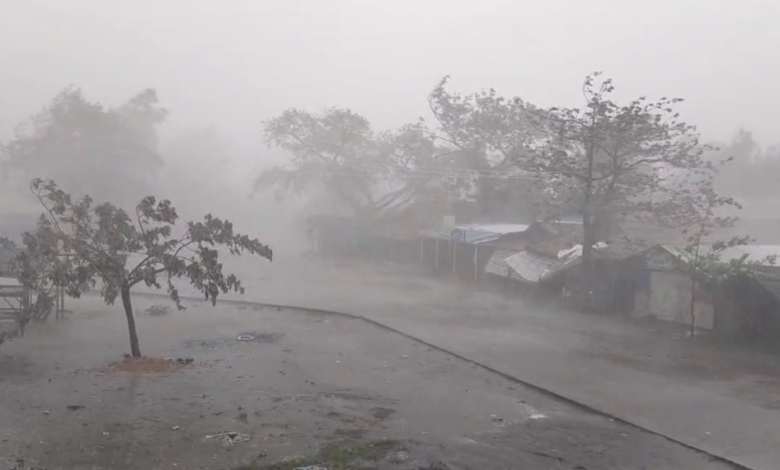

Zimbabwe has witnessed a worsening humanitarian and environmental disaster in recent weeks, with authorities reporting a tragic rise in the death toll from torrential rains that have swept across large parts of the country. According to the latest figures from the Civil Defence, at least 118 people have died, while 61 others have sustained injuries of varying severity, a toll that reflects the scale of the devastation caused by the extreme weather.
Details of human and material losses
In an official statement, the Civil Defence reported nine additional deaths in the past week alone, raising the total number of victims from 109 to 118. The statement explained that the primary causes of these deaths were drownings in overflowing rivers and mine collapses, which are common in Zimbabwe. The waterlogged soil in these mines destabilizes tunnels and traditional mines, posing a deadly threat to workers.
Devastating effects on infrastructure and services
The damage was not limited to human losses; it extended to widespread destruction of infrastructure and vital facilities. Statistics revealed that the heavy rains directly affected 8,295 families, meaning thousands were displaced or had their livelihoods disrupted. Additionally, 334 homes were partially or completely damaged, exacerbating the housing crisis in the affected areas.
In terms of public services, the education and health sectors suffered severe blows, with 236 schools damaged, threatening the education of thousands of students. Additionally, 15 health facilities were damaged, further straining the healthcare system at a time when medical care is desperately needed. The destruction of 21 bridges across the country has also isolated some communities and hampered the delivery of aid and relief efforts.
Climate context and regional challenges
These events come amid a challenging climate in southern Africa, where Zimbabwe and neighboring countries are experiencing increasingly intense and violent rainy seasons. Meteorologists link this to climate change, which has led to more extreme weather patterns. Zimbabwe's fragile infrastructure, particularly in rural areas, makes it more vulnerable to the effects of floods and flash floods.
Mining accidents during the rainy season pose a chronic challenge for authorities, as many residents resort to unregulated traditional mining for their livelihoods, ignoring safety warnings during periods of heavy rainfall. This often leads to recurring human tragedies. These alarming figures necessitate urgent intervention from humanitarian and international organizations to provide the necessary support for rehabilitating damaged facilities and assisting affected families.