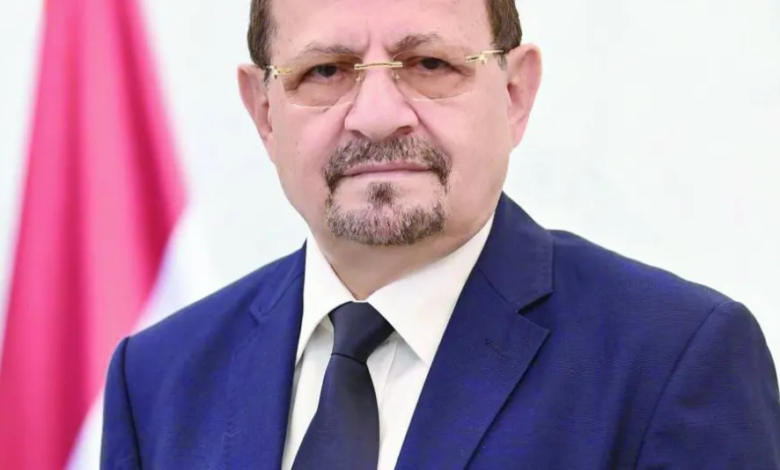

أكد وزير الخارجية وشؤون المغتربين، الدكتور شائع الزنداني، على الأهمية القصوى لعودة الحكومة اليمنية بكامل قوامها لممارسة مهامها من العاصمة المؤقتة عدن، مشيراً إلى أن هذا الإجراء يمثل حجر الزاوية في مسار استعادة مؤسسات الدولة وتحقيق الاستقرار المنشود. وأوضح الزنداني أن التواجد الحكومي المباشر على الأرض ليس مجرد إجراء بروتوكولي، بل هو ضرورة ملحة لتلمس احتياجات المواطنين والعمل بفعالية على معالجة الملفات الخدمية والاقتصادية الشائكة.
وفي سياق الحديث عن التحديات الاقتصادية، شدد الوزير على أن التعافي الاقتصادي في اليمن لا يمكن أن يتحقق دون خطة شاملة لضبط الموارد العامة وتنمية الأوعية الإيرادية. وأشار إلى أن الحكومة تواجه تحديات مالية كبيرة تتطلب تكاتف جميع الجهود لترشيد الإنفاق وتعزيز الشفافية، بالإضافة إلى ضرورة استئناف تصدير النفط والغاز الذي يشكل الرافد الأساسي للموازنة العامة للدولة، والذي تضرر بشدة جراء الهجمات الحوثية على الموانئ النفطية.
السياق العام وأهمية العاصمة المؤقتة عدن
تكتسب دعوة الزنداني لعودة الحكومة إلى عدن أهمية خاصة في ظل الظروف الراهنة التي يمر بها اليمن. فمنذ انقلاب الحوثيين في عام 2014 وسيطرتهم على صنعاء، تحولت عدن إلى العاصمة المؤقتة للبلاد ومركز الثقل السياسي والدبلوماسي للحكومة الشرعية المعترف بها دولياً. وتواجه الحكومة منذ سنوات تحديات متعددة في تثبيت الأمن وتوفير الخدمات الأساسية كالكهرباء والمياه في المحافظات المحررة، وهي ملفات تتطلب تواجداً دائماً للوزراء والمسؤولين لاتخاذ القرارات الحاسمة بشكل فوري.
الأبعاد الاقتصادية والسياسية
يرتبط الملف الاقتصادي ارتباطاً وثيقاً بالاستقرار السياسي والأمني. فاليمن يعاني من انقسام مالي ونقدي حاد أدى إلى تدهور سعر صرف العملة الوطنية وارتفاع معدلات التضخم، مما فاقم من الأزمة الإنسانية التي تصفها الأمم المتحدة بأنها الأسوأ عالمياً. وتأتي تصريحات الزنداني لتؤكد على ضرورة توحيد القنوات المالية وضمان تدفق الإيرادات من الجمارك والضرائب والمنافذ إلى البنك المركزي في عدن، لتمكين الحكومة من دفع رواتب الموظفين وتمويل الخدمات العامة.
الدعم الدولي والإقليمي
على الصعيد الدولي والإقليمي، يحظى مجلس القيادة الرئاسي والحكومة اليمنية بدعم مستمر من تحالف دعم الشرعية بقيادة المملكة العربية السعودية ودولة الإمارات العربية المتحدة، بالإضافة إلى المجتمع الدولي. ويرى المراقبون أن تعزيز تواجد الحكومة في عدن وضبط الموارد سيعزز من موقف الشرعية في أي مفاوضات سلام قادمة، كما سيشجع المانحين الدوليين على تقديم المزيد من الدعم الاقتصادي والتنموي لليمن، مما يسهم في تخفيف معاناة الشعب اليمني والدفع بعجلة التنمية في المناطق المحررة.