
ممر رئيس للتجارة
وقال الكعبي، خلال منتدى قطر الاقتصادي في نيويورك:«إن هذا التقييم خاطئ تماماً، موضحاً أن أهمية هرمز لا تقتصر على النفط والغاز، بل يشكل ممراً رئيسياً للتجارة بالنسبة لعدد من دول الخليج». وذلك رداً على الوزير بيسنت، الذي رجّح في مقابلة مع قناة «12News» الأمريكية أن مضيق هرمز سيفقد أهميته خلال العامين القادمين قائلاً:«إن أكثر من 50 إلى 70% من الطاقة التي تعبر عبر المضيق حالياً ستُنقل عبر خطوط أنابيب تحت الأرض».
تأخير وصول المعدات
وحذر الكعبي من أن استمرار اضطراب الملاحة في هرمز قد يؤخر وصول المعدات اللازمة إلى قطر، وبالتالي يؤخر بعض مراحل التوسعة وإضافة طاقات إنتاجية جديدة.
وأضاف الكعبي:«منشآت رأس لفان التي لم تتعرض لأضرار يمكن أن تستأنف العمل خلال أسابيع قليلة بمجرد إعادة فتح المضيق، بينما تحتاج الأجزاء المتضررة من المنشأة إلى سنوات لإصلاحها».
وأفاد أن إنتاج قطر الحالي من الغاز الطبيعي المسال محدود جداً بسبب أزمة مضيق هرمز، لافتا إلى أن قطر تتمتع بالاكتفاء الذاتي من وقود الطائرات والبنزين والديزل والكهرباء اللازمة للإنتاج.
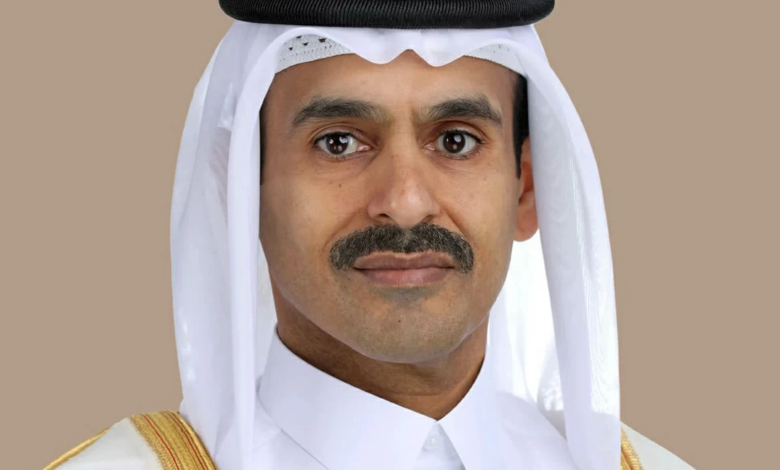
The Qatari Minister of State for Energy and CEO of QatarEnergy, Saad Al-Kaabi, announced his rejection of the statements made by U.S. Treasury Secretary Scott Pruitt, who said, “The Strait of Hormuz will become irrelevant within two years as countries expand their pipeline construction to bypass the strait.”
A Major Trade Corridor
Al-Kaabi stated during the Qatar Economic Forum in New York: “This assessment is completely wrong,” explaining that the importance of Hormuz is not limited to oil and gas, but it serves as a major trade corridor for several Gulf countries. This was in response to Secretary Pruitt, who suggested in an interview with the American channel “12News” that the Strait of Hormuz would lose its significance in the coming two years, saying: “More than 50 to 70% of the energy that currently passes through the strait will be transported via underground pipelines.”
Delay in Equipment Arrival
Al-Kaabi warned that the continued disruption of navigation in Hormuz could delay the arrival of necessary equipment to Qatar, and thus postpone some phases of expansion and the addition of new production capacities.
He added: “The Ras Laffan facilities that have not been damaged can resume operations within a few weeks once the strait is reopened, while the damaged parts of the facility will take years to repair.”
He noted that Qatar’s current production of liquefied natural gas is very limited due to the Strait of Hormuz crisis, pointing out that Qatar enjoys self-sufficiency in aviation fuel, gasoline, diesel, and the electricity needed for production.