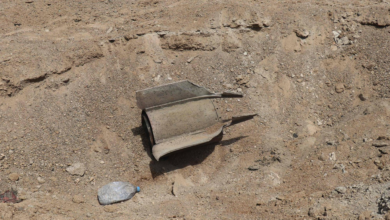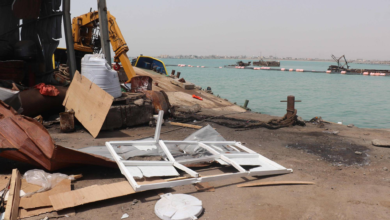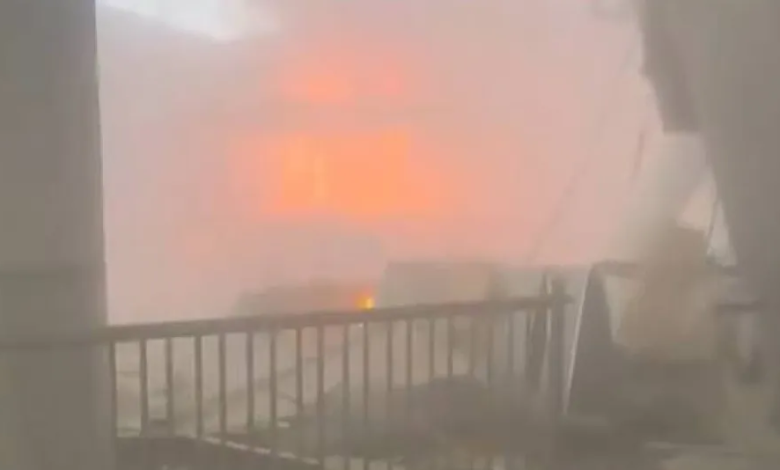

في يوم 12 ديسمبر 1983، شهدت دولة الكويت يوماً دامياً عندما وقع اعتداء إيراني على الكويت استهدف مطارها الدولي ضمن سلسلة من الهجمات المنسقة التي هزت البلاد. أسفر الهجوم على المطار عن مقتل شخص وإصابة 63 آخرين، بالإضافة إلى دمار هائل في أحد أهم المرافق الحيوية في الدولة، تاركاً بصمة سوداء في تاريخ المنطقة الحديث.
جذور الصراع: الكويت في قلب الحرب العراقية الإيرانية
لفهم أبعاد هذا الهجوم، لا بد من العودة إلى السياق الإقليمي المتوتر في أوائل الثمانينيات. كانت الحرب العراقية الإيرانية (1980-1988) في أوجها، وشكلت الكويت، إلى جانب دول خليجية أخرى، داعماً مالياً ولوجستياً رئيسياً للعراق في حربه ضد إيران. هذا الموقف جعل الكويت هدفاً مباشراً للنظام الإيراني الذي سعى إلى زعزعة استقرار الدول الداعمة لخصمه العراقي ومعاقبتها. كانت الهجمات رسالة واضحة بأن الحرب لن تبقى محصورة داخل حدود البلدين المتحاربين، وأن تداعياتها يمكن أن تمتد إلى أي مكان في المنطقة، مما وضع الكويت في مواجهة مباشرة مع تداعيات الصراع.
يوم من الرعب: تفاصيل الاعتداء الإيراني على الكويت
لم يكن الهجوم على المطار حادثاً معزولاً، بل كان جزءاً من سلسلة تفجيرات منسقة ضربت ستة أهداف حيوية في العاصمة الكويتية في غضون 90 دقيقة فقط. بدأت الهجمات بشاحنة مفخخة استهدفت السفارة الأمريكية، تلتها هجمات أخرى على السفارة الفرنسية، ومصفاة الشعيبة النفطية، ومجمع سكني للخبراء الأجانب. كان الهجوم على برج المراقبة في مطار الكويت الدولي يهدف إلى شل حركة الملاحة الجوية وإحداث أكبر قدر من الفوضى والدمار. تم تنفيذ هذه الهجمات من قبل عناصر تابعة لحزب الدعوة الإسلامية، وهي جماعة مدعومة من إيران، مما أكد البصمات الإيرانية خلف هذا العمل الذي وصف بالإرهابي.
تداعيات ما بعد الهجوم: تغيير في المشهد الأمني الإقليمي
شكلت تفجيرات عام 1983 صدمة عنيفة للمجتمع الكويتي الهادئ، وكشفت عن هشاشة الوضع الأمني في منطقة الخليج. على الصعيد المحلي، أدت الأحداث إلى حملة أمنية واسعة النطاق أسفرت عن اعتقال 17 شخصاً من المشتبه بهم في التخطيط والتنفيذ، والذين أصبحوا يعرفون لاحقاً بـ “الكويت 17”. أما على الصعيد الإقليمي، فقد زادت الهجمات من حدة التوتر بين إيران ودول مجلس التعاون الخليجي، وعززت المخاوف من امتداد الصراع الإيراني العراقي. كما دفعت هذه الأحداث الكويت ودول الجوار إلى إعادة تقييم استراتيجياتها الأمنية وتشديد الإجراءات لحماية منشآتها الحيوية، لتكون هذه الهجمات نقطة تحول في تاريخ الأمن الخليجي.