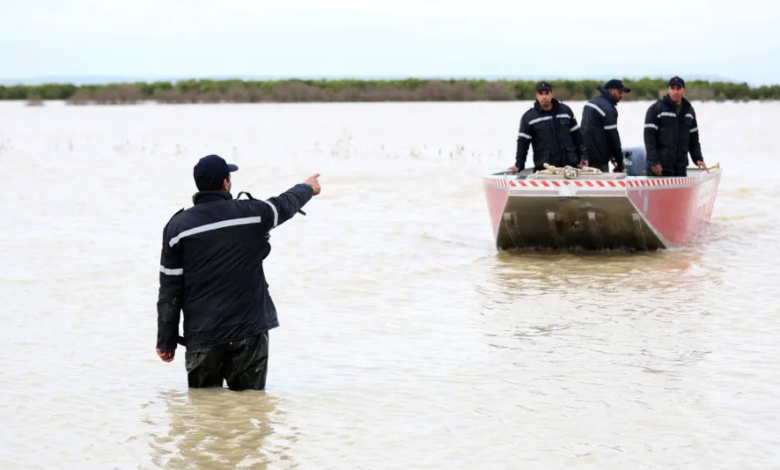

At least four people have died in flash floods that swept through parts of northern Morocco following torrential rains in recent hours. The floods caused water levels to rise in valleys and streams, sweeping away the victims and causing varying degrees of material damage.
Details of the incident and rescue efforts
Immediately after the incident, local authorities and civil protection services mobilized all their resources for urgent intervention. Rescue teams began extensive search operations in the affected areas to recover bodies and look for any other possible victims trapped by the floodwaters. Field teams are working tirelessly to reopen roads blocked by the flash floods and provide assistance to affected families. Authorities have urged citizens to exercise caution and stay away from riverbeds and wadis.
The geographical and climatic context of northern Morocco
Northern Morocco, particularly the areas within the Rif Mountains overlooking the Mediterranean Sea, is characterized by rugged terrain and steep slopes that accelerate surface runoff during rainfall. These regions are known for their extreme weather fluctuations, especially during autumn and winter, when they are affected by low-pressure systems originating from the Atlantic Ocean or Europe. This often results in record rainfall over short periods, a phenomenon known as flash floods.
Climate change and the increasing frequency of extreme weather events
This incident has reignited the debate surrounding the impacts of climate change on North Africa, and Morocco in particular. Climate experts point out that global warming has led to an increase in the frequency and intensity of extreme weather events. After prolonged periods of drought and low rainfall in the Kingdom, torrential rains are now arriving suddenly and violently, posing a significant challenge to infrastructure and the soil's ability to absorb water, and increasing the risk of flooding.
Economic and social impacts
Such natural disasters have significant economic and social repercussions, damaging infrastructure such as roads and bridges, as well as agricultural land and private property. These events place increasing pressure on the state budget allocated for emergencies and reconstruction, and necessitate a review of urban planning and the development of stormwater drainage networks to adapt to new climatic conditions, ensuring the safety of citizens and protecting property in the future.