
إنجاز تشغيلي في خدمة ضيوف الرحمن
سجلت الهيئة العامة للطرق في المملكة العربية السعودية إنجازاً تشغيلياً بارزاً، حيث أعلنت عن عبور أكثر من 65 ألف مركبة عبر الطرق المؤدية إلى مكة المكرمة خلال اليوم الثاني من شهر ذي الحجة. يأتي هذا الإعلان ضمن الجهود التشغيلية والتنظيمية المكثفة التي تهدف إلى تسهيل حركة ضيوف الرحمن خلال موسم الحج، ورفع كفاءة التنقل على شبكة الطرق في مختلف الاتجاهات المؤدية إلى العاصمة المقدسة.
السياق التاريخي وتطوير البنية التحتية
تاريخياً، أولت المملكة العربية السعودية منذ توحيدها اهتماماً بالغاً بتطوير البنية التحتية لمكة المكرمة والمشاعر المقدسة. ومع إطلاق رؤية المملكة 2030، تضاعفت هذه الجهود لتشمل مشاريع عملاقة في قطاع النقل والخدمات اللوجستية. تهدف هذه الرؤية الطموحة إلى استضافة أعداد متزايدة من الحجاج والمعتمرين، وتقديم خدمات ذات جودة عالية تضمن لهم أداء المناسك بكل يسر وسهولة. إن شبكة الطرق الحديثة التي تحيط بمكة المكرمة ليست وليدة اللحظة، بل هي نتاج عقود من التخطيط الهندسي والاستثمار الضخم لضمان استيعاب الملايين من البشر والمركبات في مساحة جغرافية وزمنية محدودة.
تفاصيل الحركة المرورية وإحصائيات الطرق
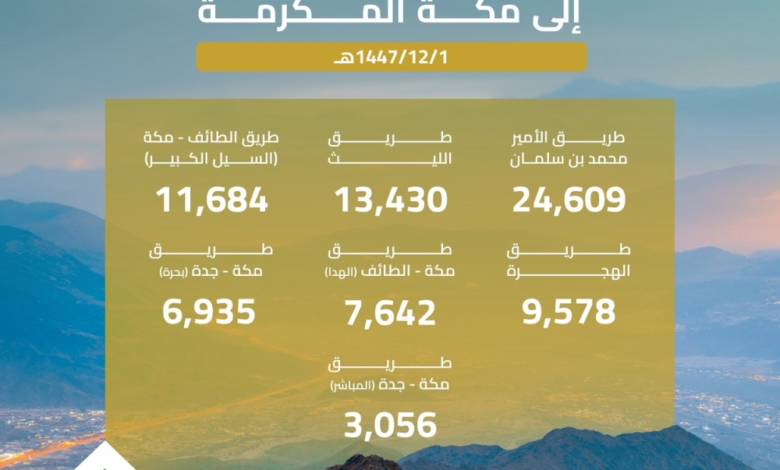
وفي تفاصيل الحركة المرورية التي رصدتها الهيئة، تصدر طريق الأمير محمد بن سلمان قائمة الطرق من حيث الكثافة المرورية، حيث سجل عبور 16,087 مركبة. تلاه في المرتبة الثانية طريق الليث بعبور 13,174 مركبة. أما طريق الطائف – مكة المكرمة عبر السيل الكبير، فقد شهد عبور 11,374 مركبة.
ولم تقتصر الإحصائيات على هذه الطرق، بل شملت محاور أخرى حيوية، حيث أوضحت الهيئة جاهزيتها الميدانية والتشغيلية من خلال رصد عبور 7,894 مركبة عبر طريق مكة المكرمة – الطائف (عقبة الهدا). كما بلغ عدد المركبات العابرة عبر طريق الهجرة 7,663 مركبة، وطريق مكة المكرمة – جدة (بحرة) 6,591 مركبة، في حين سجل طريق مكة المكرمة – جدة المباشر عبور 2,643 مركبة.
التأثير المحلي والدولي لإدارة الحشود
تحمل هذه الأرقام دلالات عميقة وتأثيرات واسعة النطاق. على الصعيد المحلي، تعكس هذه الإحصائيات نجاح الخطط المرورية والتنظيمية في استيعاب هذا الحجم الهائل من المركبات دون حدوث اختناقات تعيق حركة السير، مما يعزز من مستوى السلامة المرورية ويدعم الاقتصاد المحلي من خلال تسهيل حركة نقل البضائع والخدمات المرافقة لموسم الحج. أما على الصعيدين الإقليمي والدولي، فإن قدرة المملكة على إدارة هذه الحشود المليونية وتوجيه عشرات الآلاف من المركبات يومياً بسلاسة تامة، تقدم نموذجاً عالمياً يُحتذى به في إدارة الحشود والخدمات اللوجستية. هذا النجاح يبعث برسالة طمأنينة للعالم الإسلامي بأسره، مؤكداً أن ضيوف الرحمن في أيدٍ أمينة، وأن البنية التحتية قادرة على تلبية كافة الاحتياجات.
استمرار الجاهزية لضمان راحة الحجاج
في الختام، أكدت الهيئة العامة للطرق استمرار جاهزيتها الميدانية والتشغيلية على كافة الطرق المؤدية إلى المشاعر المقدسة. ويتم ذلك من خلال المتابعة الدقيقة والمستمرة للحركة المرورية، والعمل الدؤوب على رفع مستوى السلامة والخدمات المقدمة لضيوف الرحمن. إن هذه الجهود المتكاملة بين مختلف قطاعات الدولة تسهم بشكل مباشر في تحقيق انسيابية التنقل، وتوفير أقصى درجات الراحة للحجاج، ليتمكنوا من أداء فريضة الحج في أجواء روحانية آمنة ومستقرة.