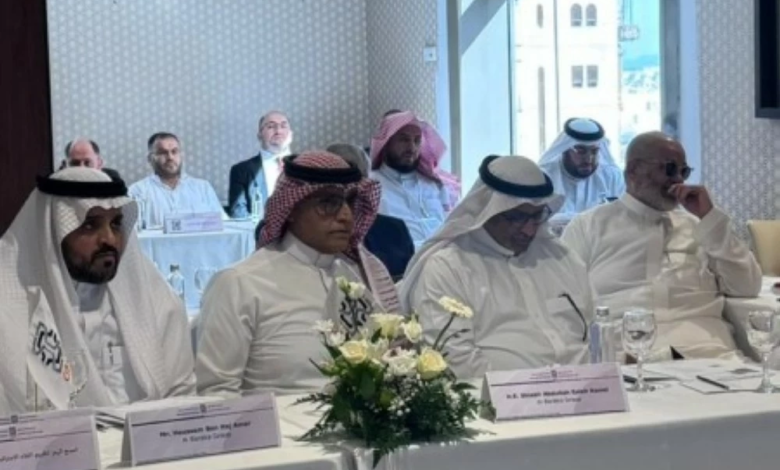

أكد الشيخ عبد الله صالح كامل، رئيس مجلس أمناء منتدى البركة للاقتصاد الإسلامي ورئيس الغرفة الإسلامية للتجارة والتنمية، على أهمية إحداث نقلة نوعية في قطاع التمويل الإسلامي من خلال إعادة تفعيل «حسابات الاستثمار القائمة على المشاركة»، معتبراً إياها المحرك الحقيقي والدافع الرئيسي لنمو الصيرفة الإسلامية في المرحلة المقبلة.
رؤية استراتيجية من المدينة المنورة
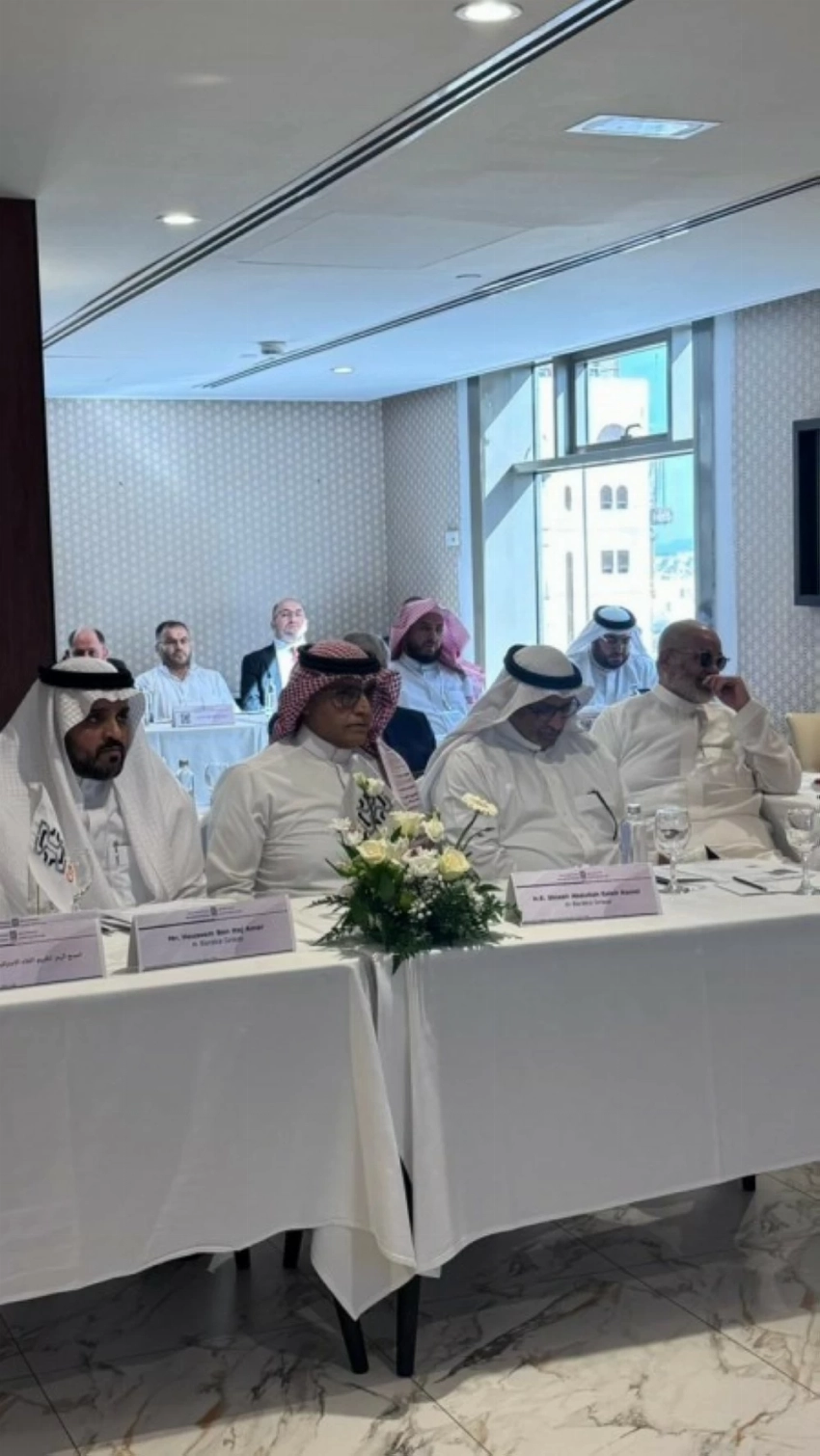
جاءت هذه التصريحات خلال كلمته الافتتاحية في اللقاء الإستراتيجي الثالث للاقتصاد الإسلامي، الذي نظمه المجلس العام للبنوك والمؤسسات المالية الإسلامية (CIBAFI) في المدينة المنورة. وقد حمل اللقاء عنوان «نحو تفعيل حسابات الاستثمار القائمة على المشاركة: قراءة تنظيمية وتطبيقية في نموذج المصرفية الإسلامية»، وسط حضور لافت من قيادات القطاع المالي، وممثلي الجهات التنظيمية، ونخبة من العلماء والخبراء.
وأشار كامل إلى الرمزية العميقة لانعقاد هذا اللقاء في المدينة المنورة، مهد القيم الإسلامية، مؤكداً أن المكان يستلهم معاني الإخلاص والعمل الصادق، وأن الاجتماع يتجاوز كونه حدثاً مهنياً ليصبح تجديداً للعهد مع قيم الصدق والأمانة التي قامت عليها الأمة، والتي تعد الأساس المتين لأي نظام مالي أخلاقي.
الموازنة بين الاستقرار والمخاطر
وشدد رئيس مجلس إدارة اتحاد الغرف السعودية على ضرورة تحقيق توازن دقيق ومستدام بين متطلبات الاستقرار المالي الصارمة وبين جوهر الصيرفة الإسلامية القائم على الشراكة وتقاسم المخاطر (Profit and Loss Sharing). وأوضح أن هذا التوازن هو الكفيل بتعزيز الثقة في النظام المالي وترسيخ المسؤولية الأخلاقة، مما يميز المصرفية الإسلامية عن نظيرتها التقليدية.
وأضاف أن حسابات الاستثمار بالمشاركة ليست مجرد أداة فنية أو إجراء تنظيمي، بل هي تعبير عملي عن فلسفة الاقتصاد الإسلامي التي تهدف إلى ربط القطاع المالي بالنشاط الاقتصادي الحقيقي، وتعزيز الشفافية وتحمل المسؤولية.
سياق عالمي ونمو متسارع
تأتي دعوة الشيخ عبد الله كامل في وقت يشهد فيه قطاع الصيرفة الإسلامية نموًا ملحوظًا واعترافًا عالميًا متزايدًا كبديل آمن ومستدام. وتشير التقارير الاقتصادية إلى أن الأصول المالية الإسلامية تواصل الارتفاع عالمياً، مدفوعة بالبحث عن أدوات تمويلية تتسم بالمرونة والقدرة على مواجهة الأزمات. ويعد تفعيل أدوات «المشاركة» خطوة حاسمة للانتقال من محاكاة المنتجات التقليدية إلى تقديم منتجات إسلامية أصيلة تساهم في التنمية الاقتصادية الفعلية.
وفي هذا السياق، أوضح كامل أن توسع المنظومة المالية العالمية فرض تطبيقات متنوعة لحسابات الاستثمار، مما يعكس مرونة المالية الإسلامية وقدرتها على التكيف مع البيئات التنظيمية المختلفة، مع الحفاظ على المبادئ الشرعية الأصيلة.
خارطة طريق للمستقبل
وطرح الشيخ عبد الله كامل خلال اللقاء جملة من التساؤلات المحورية التي ترسم خارطة طريق لمستقبل القطاع، أبرزها كيفية تحويل حسابات المشاركة إلى أداة حقيقية للنمو والتميز، والدور المنتظر من الجهات الرقابية وهيئات المعايير لبناء نماذج مصرفية أكثر متانة.
واختتم حديثه بالتأكيد على أن الحوار البناء بين مختلف أصحاب المصلحة هو السبيل الوحيد لتطوير الصناعة وتعزيز نضوجها، داعياً المشاركين إلى الإسهام الفاعل في المناقشات بما يخدم تطور الصيرفة الإسلامية ويعود بالنفع على المجتمع والاقتصاد الحقيقي، لضمان استدامة هذا النموذج المالي الفريد.