Cyclone Vaiano hits New Zealand: Thousands evacuated and state of emergency declared

New Zealand faces the threat of Cyclone Vaiano
New Zealand authorities are bracing for the devastating effects of Cyclone Vaiano , issuing urgent evacuation orders for thousands of residents, particularly on the country's North Island. This precautionary measure comes amid stark warnings from the Meteorological Department about the cyclone's potentially catastrophic impact, bringing back painful memories of previous natural disasters that struck the region.
Emergency details and weather warnings
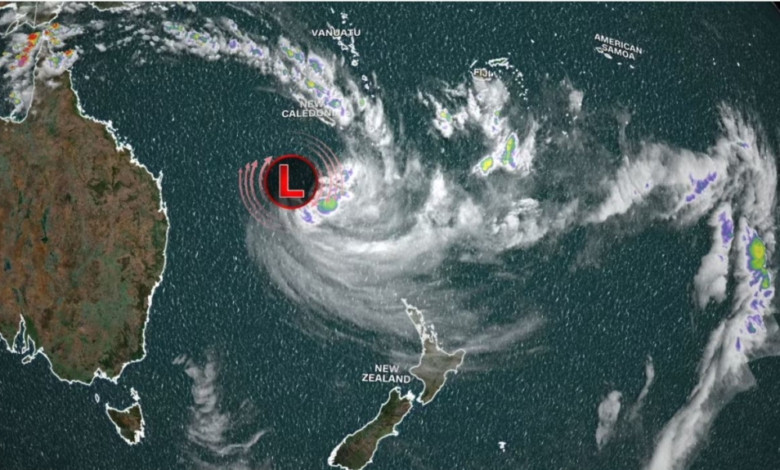
Local authorities have declared a state of emergency in several key areas, most notably the coastal city of Wakatane, with a population of approximately 37,150, located about 430 kilometers north of the capital, Wellington. The New Zealand Meteorological Service forecasts that the cyclone will bring torrential rain and gale-force winds of up to 130 kilometers per hour. The storm is expected to peak on Sunday before its path shifts westward, passing over the remote Chatham Islands by Monday. Authorities have warned of the risk of widespread coastal flooding and landslides that could damage infrastructure and disrupt transportation.
Historical context: Unforgettable natural disasters
Historically, New Zealand is no stranger to such extreme weather events, as its geographical location makes it vulnerable to tropical and subtropical cyclones, particularly during the South Pacific cyclone season, which typically runs from November to April. New Zealanders still vividly remember Cyclone Gabrielle , which struck the country in 2023 and is considered one of the worst natural disasters to hit New Zealand in the 21st century. Gabrielle resulted in 11 deaths, displaced thousands, and caused billions of dollars in damage to agriculture and infrastructure. This event also brings to mind other historical cyclones, such as Cyclone Paula in 1988, which devastated the east coast of the North Island.
Expected impacts: locally, regionally, and internationally
Domestically, Cyclone Vaiano poses a direct threat to the New Zealand economy, particularly the agricultural sector, much of which is concentrated on the North Island. Flooding and landslides could damage crops, lead to livestock losses, and disrupt electricity and communication networks, placing immense pressure on the national budget to fund reconstruction and provide support to those affected.
Regionally and internationally, these recurring disasters highlight the growing repercussions of climate change. Scientists and environmental experts confirm that rising ocean temperatures directly contribute to the increased frequency and intensity of hurricanes in the Pacific Ocean. This critical situation is prompting New Zealand and its neighbors to intensify regional cooperation to strengthen climate change adaptation and disaster management strategies. Furthermore, any disruption to New Zealand's supply chains, particularly in the dairy and meat sectors, which are key exports, could have a significant impact on global markets.
rescue and rapid response efforts
Currently, New Zealand's National Emergency Management Agency is working closely with local authorities to ensure the safety of citizens and provide secure and well-equipped shelters for those affected. The biggest challenge remains the resilience of the nation's infrastructure against the fury of nature and the speed with which rescue teams can respond to minimize human and material losses, while awaiting the storm's end to assess the full extent of the damage.