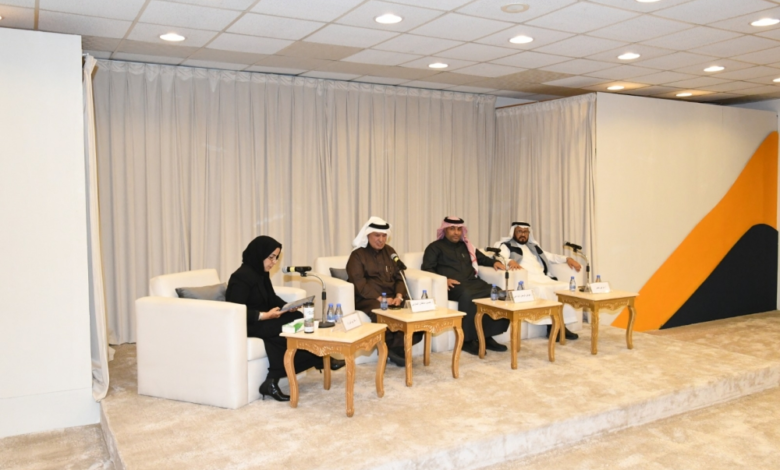
On a Ramadan night where the fragrance of the past mingled with the spirit of the present, the Abha Literary Club its first cultural event of the current Ramadan season with an exceptional evening entitled "Journalistic Conversations." The event was held at the club's headquarters in Abha and is part of the "Awareness" track of the "Ajawid 4" initiative, overseen by the Asir Region Development Authority . It was attended by a notable number of cultural and media figures, as well as those interested in public affairs in the region.
A cultural movement that keeps pace with the region's vision
This event is particularly significant as it comes within the context of the growing cultural movement in the Asir region, where literary clubs play a pivotal role in preserving oral history and documenting social and developmental transformations. The fourth edition of the "Ajawid" initiative serves as a vital platform for fostering community engagement and highlighting core values, making the exploration of the history of field journalism an integral part of understanding the region's development and its engagement with major national events over the decades.
Field pioneers: Firsthand accounts and inspiring experiences
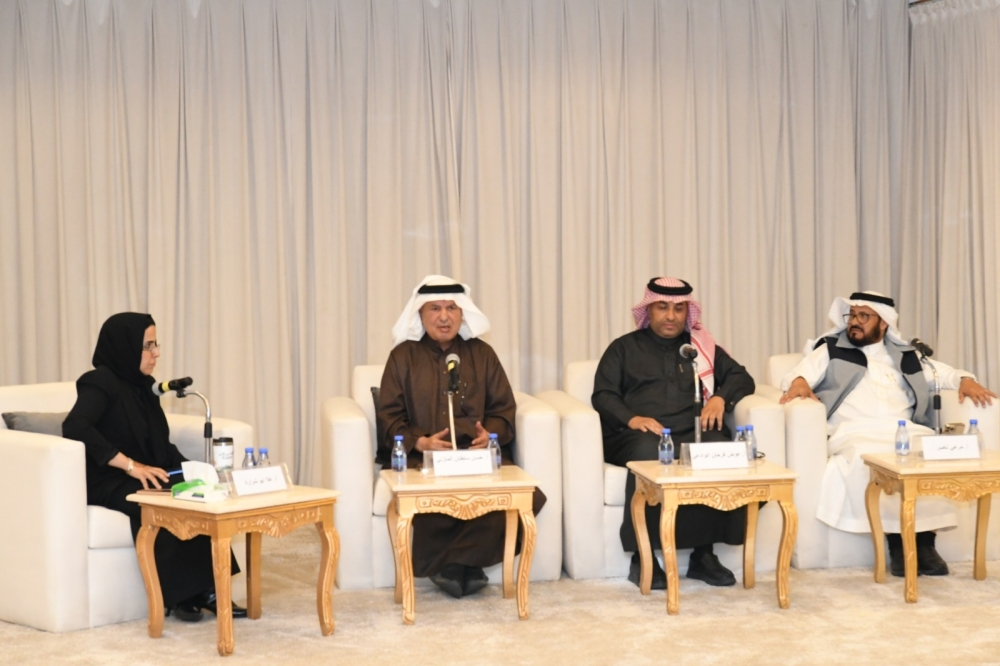
The evening featured a distinguished group of field journalists whose names are synonymous with covering the region's events and developments: Hassan Sultan Al-Mazni, Marai Nasser Asiri, and Awad Farhan Al-Wadaei. The discussion was expertly moderated by journalist Ghala Abu Sharara. The guests shared pivotal moments from their careers, addressing the daily challenges they faced in the pre-digital age and how they navigated difficult humanitarian situations that shaped both their professional and personal development.
The meeting addressed the significance of the innovative title of the evening, “Journalistic Memories,” which symbolizes the transformation of past memories that begin with “I was” into historical documents and living testimonies that document an important stage of Saudi media in the south, in an atmosphere characterized by transparency and depth.
Field media: A memory of development and transformations
Dr. Ahmed Al-Tihani, Vice President of the Abha Literary Club, affirmed that the evening served as a direct documentation of the history of field journalism, noting that these experiences were not merely fleeting news reports, but rather the creation of events from the heart of the field. Al-Tihani added that passing on this expertise to new generations is an investment in media awareness and a reinforcement of the concept of professional responsibility, especially in light of the rapid transformations the media sector is witnessing today.
For his part, veteran journalist Hassan Sultan Al-Mazni, who has more than 45 years of experience, explained that field journalism is a “responsibility and trust” before it is a job, stressing that what was presented in the evening were pages from the history of the region that journalists lived through moment by moment, and they contributed to conveying the bright image of Asir to the world.
A bridge for communication between media generations
The evening was not merely a reminiscing session, but rather a bridge of knowledge connecting the pioneering generation with the new generation of media professionals. Marai Nasser Asiri emphasized the importance of revealing the behind-the-scenes stories to illustrate the effort invested in each news item, while Awad Farhan Al-Wadaei stressed that years of fieldwork are what truly cultivate professional awareness.
Journalist Ghala Abu Sharara concluded by emphasizing that managing the dialogue with these prominent figures was a significant responsibility, aimed at presenting a historical document and a testament to a journalistic career that contributed to raising awareness. At the end of the evening, the attendees unanimously agreed that "Journalistic Gatherings" had succeeded in restoring the prestige of field journalism, stressing the importance of continuing such gatherings that document the oral history of the region and strengthen the role of media as a partner in development.