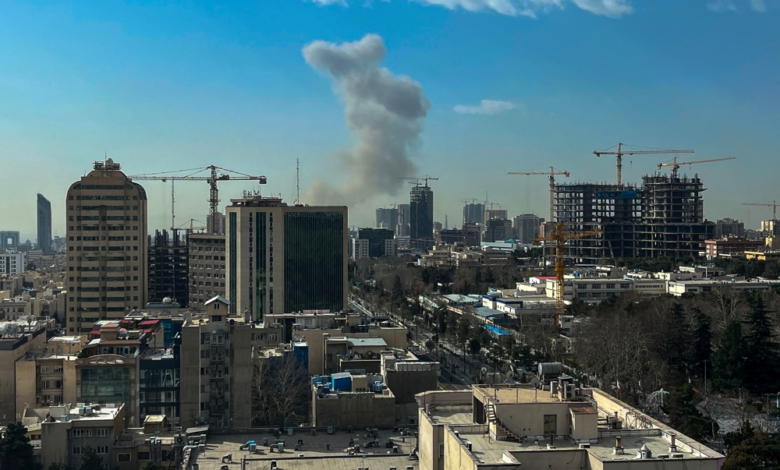

شهدت العاصمة الإيرانية طهران، صباح السبت، تطورات عسكرية متسارعة، حيث سُمع دوي انفجارين شديدين هزا أرجاء المدينة، مما أثار حالة من التوتر والترقب في الأوساط الإقليمية والدولية. وأفاد صحافيو وكالة "فرانس برس" وشهود عيان برؤية عمودين من الدخان الكثيف يتصاعدان بوضوح فوق وسط العاصمة الإيرانية وشرقها، في مؤشر أولي على حجم الاستهداف.
تفاصيل الهجوم على طهران
في أولى التقارير الرسمية من الجانب الإيراني، ذكرت وكالة "فارس" للأنباء أن طبيعة الانفجارات والمشاهدات الأولية تشير بقوة إلى كونه "هجوماً صاروخياً"، دون أن تفصح عن الأهداف المحددة التي طالها القصف أو حجم الخسائر البشرية والمادية حتى اللحظة. وتأتي هذه الانفجارات وسط حالة من التأهب الأمني في الداخل الإيراني.
إسرائيل تعلن: ضربة استباقية وحالة طوارئ
بالتزامن مع الأحداث في طهران، أعلنت وزارة الدفاع الإسرائيلية رسمياً عن شن ما وصفته بـ "ضربة استباقية" ضد أهداف في إيران. وصرحت الوزارة في بيان عاجل أن "دولة إسرائيل بادرت بهذا الهجوم لتحييد تهديدات وشيكة". وفي سياق متصل، دوت صفارات الإنذار في مدينة القدس ومحيطها، بينما تلقى السكان تحذيرات عبر هواتفهم المحمولة تفيد بوجود "إنذار بالغ الخطورة"، مما يعكس جدية الموقف العسكري.
من جانبه، أعلن وزير الدفاع الإسرائيلي، يسرائيل كاتس، عن فرض "حالة إنذار خاصة وفورية" في جميع أنحاء البلاد، موجهاً الجبهة الداخلية باتخاذ كافة التدابير اللازمة تحسباً لأي رد فعل انتقامي.
سياق الصراع وتطور المواجهة
لا يمكن فصل هذا الحدث عن السياق العام للصراع الدائر في الشرق الأوسط. تأتي هذه الضربة في وقت تشهد فيه المنطقة توتراً غير مسبوق، حيث انتقلت المواجهة بين إسرائيل وإيران من "حرب الظل" والعمليات السيبرانية أو استهداف الوكلاء، إلى مرحلة المواجهة المباشرة والعلنية. ويشير المراقبون إلى أن استخدام مصطلح "ضربة استباقية" من قبل تل أبيب يحمل دلالات عسكرية وسياسية تهدف إلى تغيير قواعد الاشتباك وتوجيه رسالة ردع قوية لطهران.
التداعيات الإقليمية والدولية المتوقعة
من المتوقع أن يلقي هذا التصعيد بظلاله الثقيلة على استقرار المنطقة بأسرها. فعلى الصعيد الإقليمي، تتزايد المخاوف من انزلاق الأمور نحو حرب شاملة قد تمتد لتشمل جبهات أخرى في لبنان وسوريا واليمن. أما دولياً، فمن المرجح أن تشهد أسواق الطاقة والنفط تذبذباً ملحوظاً نتيجة المخاوف من تأثر إمدادات الطاقة عبر مضيق هرمز. وتتجه الأنظار الآن نحو ردود الفعل الدبلوماسية من القوى العظمى، التي تسعى عادة لاحتواء مثل هذه الأزمات قبل خروجها عن السيطرة.