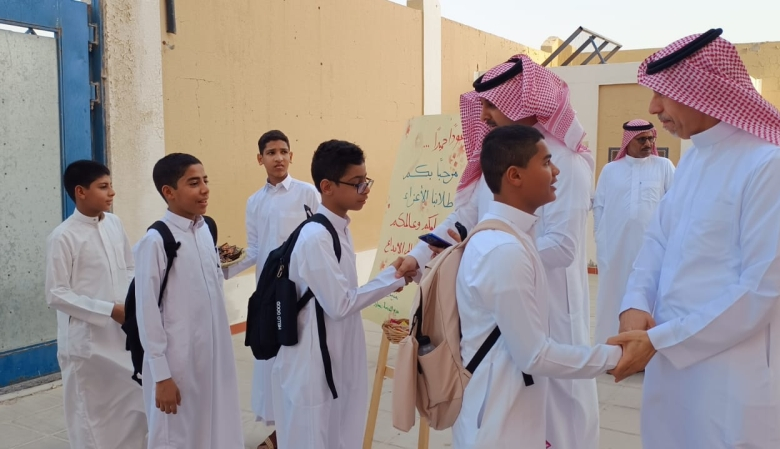

The Ministry of Education announced the details of the academic calendar for the second semester, which includes significant changes aimed at enhancing educational efficiency and optimizing the use of study time. According to the announcement, the second semester will extend for up to 19 weeks , a duration reflecting a move towards increasing the number of actual school days to ensure in-depth and comprehensive coverage of the curriculum.
Study details for the holy month of Ramadan
One of the most prominent points included in the new academic calendar is the allocation of 11 . This decision resolves the recurring annual debate regarding the continuation of studies during Ramadan, as the Ministry has struck a balance between maintaining educational continuity and respecting the spirituality of the month. This allows students and teachers the opportunity to combine academic achievement with worship without any interruption that might negatively impact their learning.
General context and development of the education system
This announcement comes amidst radical transformations in the education sector, aimed at raising the quality of educational outcomes to meet global standards. Historically, the issue of studying during Ramadan has been subject to numerous variables, with past decades witnessing a fluctuation between complete suspension of classes and their continuation. However, modern trends, aligned with national development visions, emphasize the importance of increasing the hours and days of actual learning to bridge the educational gap and improve the education system's ranking in international indicators.
The strategic importance of semester length
Extending the second semester to 19 weeks has important educational implications, including:
- Reducing daily pressure: Spreading the curriculum over a longer period reduces information overload and gives students enough time to understand and comprehend instead of memorizing and rapid rote learning.
- Skills enhancement: The longer time period allows teachers to implement modern teaching strategies based on interactive projects and activities that require time to implement.
- Educational stability: Regular school attendance for continuous periods contributes to enhancing school discipline and reducing periods of educational waste resulting from frequent intermittent holidays.
Social and educational impact
On a social level, this schedule requires close cooperation between families and schools, especially during Ramadan school days, to regulate students' sleep patterns and ensure their focus. Educational experts believe that continuing studies during Ramadan reinforces values of diligence and commitment in young people, and accustoms them to the understanding that work and worship are complementary and not contradictory. This system also helps students use their time productively, protects them from unproductive late nights, and directs their energies toward academic achievement in a structured educational environment.