
Details of the initial plan to end the conflict
Reuters has revealed rapid diplomatic developments aimed at defusing the crisis between the United States and Iran, with the parties involved receiving a two-phase strategic plan to end the current conflict and tensions. According to sources, Pakistan played a pivotal role in conveying this proposal to Tehran, reflecting intensified regional efforts to avert a full-scale military escalation in the Middle East.
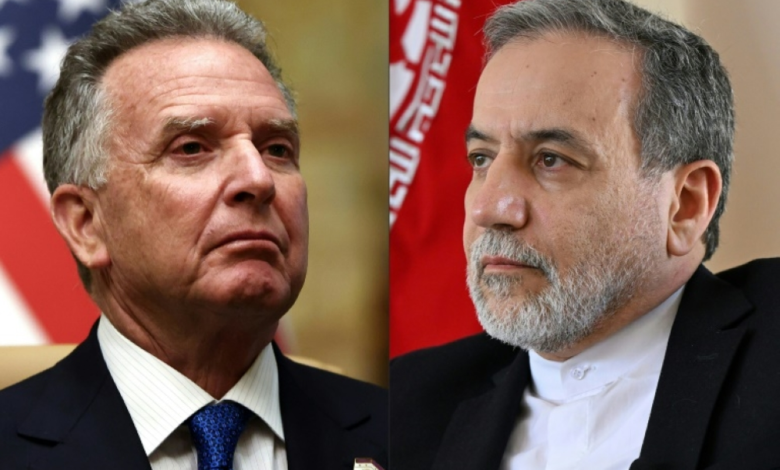
In the context of these developments, the Pakistani army chief held important talks with US Presidential Envoy Steven Charles Wittkopf, US Vice President J.D. Vance, and Iranian Foreign Minister Abbas Araqchi. These discussions focused on developing a shared vision to ensure regional stability and prevent the region from sliding into open warfare that would affect global security.
A crucial timeframe and mutual concessions
Leaks indicate that the plan relies on a rapid and efficient timeline; if the first phase is approved, a final and comprehensive agreement will be reached within just 15 days. This anticipated agreement contains crucial provisions, most notably Iran's complete commitment to abandoning its pursuit of nuclear weapons, a demand that has long been a cornerstone of US and international foreign policy toward Tehran.
In contrast, the plan offers substantial economic and political incentives to Iran, including the gradual lifting of crippling economic sanctions that have severely impacted the Iranian economy, along with the immediate release of frozen Iranian assets abroad. The plan also calls for an immediate ceasefire and cessation of all hostilities, paving the way for a secure environment for direct or indirect negotiations.
The strategic importance of reopening the Strait of Hormuz
A key element of the plan is the full and safe reopening of the Strait of Hormuz to maritime traffic. This strait is a vital artery for the global economy, with approximately one-fifth of the world's oil production passing through it daily. Securing this strategic waterway will not only benefit the Gulf Arab states but will also contribute to stabilizing global energy prices and mitigating inflation rates that are impacting major economies due to supply chain disruptions and geopolitical concerns.
Historical context and expected impact of the agreement
This initiative comes at a critical juncture and represents a serious attempt to repair the rifts left by years of tension, particularly since the United States withdrew from the nuclear agreement (the Joint Comprehensive Plan of Action) in 2018 and implemented its “maximum pressure” policy. That withdrawal led to a series of tit-for-tat escalations, including cyberattacks, attacks on commercial vessels, and unprecedented tensions in the waters of the Persian Gulf and the Red Sea.
Regionally, this agreement—if successful—is expected to help de-escalate several conflict zones in the Middle East, where numerous contentious issues are linked to US-Iranian tensions. Internationally, averting the threat of nuclear war and securing energy supplies will provide a significant boost to global markets, restoring confidence and stability. The success of this mediation could usher in a new era of preventive diplomacy in one of the world's most complex and volatile regions.