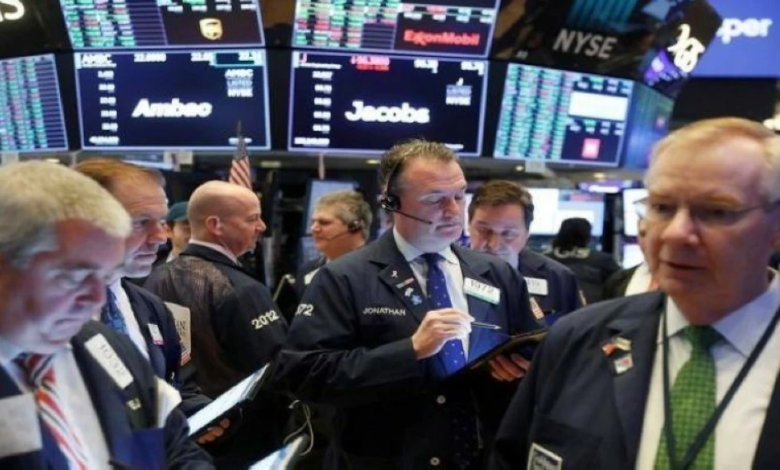

شهدت أسواق المال الأمريكية خلال الأسبوع الماضي تحولاً جذرياً في نظرة المستثمرين تجاه تقنيات الذكاء الاصطناعي، حيث تحول هذا القطاع من قاطرة للنمو السريع إلى مصدر قلق حقيقي يهدد استقرار نماذج الأعمال التقليدية. هذا التحول لم يكن مجرد تكهنات، بل تجسد في سلوكيات بيع مكثفة ضربت «وول ستريت»، لتشمل قطاعات كانت حتى وقت قريب تعتبر ملاذات آمنة أو بعيدة عن التأثيرات المباشرة للتقلبات التكنولوجية.
السياق التاريخي: من النشوة إلى الواقعية
منذ انطلاق ثورة الذكاء الاصطناعي التوليدي، عاشت الأسواق حالة من النشوة الاستثمارية، حيث ضخ المستثمرون تريليونات الدولارات في شركات التكنولوجيا الكبرى، معتبرين أن الذكاء الاصطناعي هو المحرك القادم للاقتصاد العالمي. ومع ذلك، بدأت هذه النظرة تتغير تدريجياً مع إدراك السوق للوجه الآخر للعملة؛ وهو قدرة هذه التقنيات على استبدال الوظائف البشرية وتقليص هوامش الربح للشركات التي تعتمد على الرسوم المرتفعة، مثل إدارة الثروات والخدمات اللوجستية والبرمجيات الوسيطة.
لغة الأرقام: تراجع جماعي للمؤشرات
ترجمت هذه المخاوف إلى خسائر ملموسة على أرض الواقع، حيث أنهى مؤشرا «S&P 500» و«ناسداك» تداولات الأسبوع الماضي بتراجعات تجاوزت حاجز الـ 1%. وفي التفاصيل، هبط مؤشر «داو جونز» الصناعي بنسبة 1.2%، بينما كان الهبوط الأقسى من نصيب مؤشر التكنولوجيا «ناسداك» الذي تراجع بنسبة 2%، ولحق به مؤشر «S&P 500» بخسارة بلغت نحو 1.4%. هذه الأرقام تعكس حالة من عدم اليقين، حيث كانت أسهم القطاع المالي والاستهلاكي والتقني هي الأكثر تضرراً، مما يشير إلى إعادة تقييم شاملة للمخاطر.
القطاعات المتضررة وتصريحات الخبراء
لم يعد التأثير مقتصراً على شركات التكنولوجيا فحسب، بل امتد ليشمل قطاعات النقل والخدمات اللوجستية وإدارة الثروات، التي تواجه تحديات وجودية أمام كفاءة الخوارزميات. وفي هذا السياق، حذر تيم أوربانوفيتز، كبير إستراتيجيي الاستثمار في إحدى المجموعات المتخصصة، من خطورة الموقف قائلاً: «هذا هو الجانب المظلم للذكاء الاصطناعي، علينا أن ننتبه، لأن المزيد من الصناعات ستتعرض للاضطراب، وهذا التهديد حقيقي».
التأثير المتوقع ومستقبل الاستثمار
يرى المحللون أن ما يحدث حالياً هو بداية لمرحلة «الغربلة» في الأسواق العالمية. فمحلياً ودولياً، سيتعين على الشركات إثبات قدرتها على دمج الذكاء الاصطناعي لتعزيز الإنتاجية بدلاً من أن تقع ضحية له. ومن المتوقع أن تشهد الفترة المقبلة تذبذباً عالياً في الأسواق، حيث يعيد المستثمرون ترتيب محافظهم للابتعاد عن الشركات ذات النماذج التقليدية المعرضة للاندثار، والتركيز على الكيانات القادرة على التكيف مع هذا الطوفان التقني.