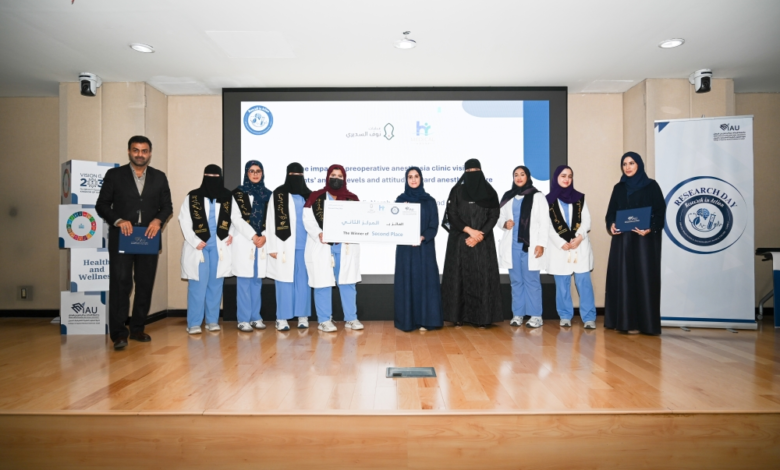

في خطوة رائدة تعكس التطور المتسارع في القطاع الطبي السعودي، عززت جامعة الإمام عبدالرحمن بن فيصل بالدمام دمج تقنيات الذكاء الاصطناعي في الرعاية الصحية، وذلك من خلال استعراض 44 بحثاً علمياً مبتكراً. جاء ذلك خلال فعاليات “يوم البحث العلمي الأول” الذي نظمته كلية العلوم الطبية التطبيقية بالجبيل تحت شعار «البحث العلمي نحو الابتكار والاستدامة في الرعاية الصحية».
انطلاق فعاليات يوم البحث العلمي بالدمام
افتتحت نائبة الرئيس للبحث العلمي والابتكار بالجامعة، الأستاذة الدكتورة جيهان الحميد، هذه الفعاليات البارزة التي أقيمت في مركز طب الأسرة والمجتمع بالمدينة الطبية الأكاديمية. وشهد الحدث حضوراً رفيع المستوى، تقدمه الرئيس التنفيذي للمدينة الدكتور سعد العمري، وعميدة الكلية الدكتورة غادة اليوسف، إلى جانب نخبة من القيادات الأكاديمية والطبية. وقد تصدرت تطبيقات الذكاء الاصطناعي المشهد العلمي من خلال تقديم 44 مشروعاً، شملت 20 بحث تخرج، و24 بحثاً علمياً متخصصاً في مسار الذكاء الاصطناعي.
السياق التاريخي وتطور الذكاء الاصطناعي في الطب
تاريخياً، بدأ استخدام التكنولوجيا في الطب بأدوات بسيطة لحفظ السجلات، ولكن مع التطور التقني الهائل في العقدين الأخيرين، تحول الذكاء الاصطناعي إلى أداة حيوية قادرة على تحليل البيانات الطبية الضخمة، التنبؤ بالأمراض، وتحسين دقة التشخيص. وفي المملكة العربية السعودية، يأتي هذا التوجه متناغماً بشكل كامل مع مستهدفات رؤية السعودية 2030، وتحديداً “برنامج تحول القطاع الصحي”، الذي يهدف إلى إعادة هيكلة القطاع الصحي ليكون نظاماً صحياً شاملاً وفعالاً ومتكاملاً، يعتمد على الابتكار والتقنيات الرقمية الحديثة لرفع جودة الخدمات المقدمة للمواطنين والمقيمين.
تخصصات دقيقة وحلول صحية مستدامة
توزعت الأبحاث المعروضة في المعرض على تخصصات طبية دقيقة وحيوية، تضمنت تقنية التخدير، وتقنية علم الأعصاب، والرعاية التنفسية. هذا التنوع يعكس مستوى متقدماً من التفكير البحثي والتطبيقي لدى الطلاب والطالبات. وركزت المشاريع على إيجاد حلول علمية مبتكرة تسهم بشكل مباشر في تحسين جودة الخدمات الصحية، والارتقاء بتجربة المرضى داخل المنشآت الطبية، وتقليل الأخطاء البشرية المحتملة.
الأثر المحلي والإقليمي والدولي المتوقع
من المتوقع أن تترك هذه الأبحاث أثراً ملموساً على عدة أصعدة. محلياً، ستسهم في تطوير بروتوكولات العلاج في مستشفيات المنطقة الشرقية والمملكة بشكل عام. وإقليمياً، تعزز هذه الخطوة مكانة المملكة كمركز رائد للابتكار الطبي في الشرق الأوسط. أما دولياً، فإن دمج الذكاء الاصطناعي في الرعاية الصحية يعد مساهمة فعالة في تحقيق أهداف التنمية المستدامة للأمم المتحدة، خاصة الهدف المتعلق بضمان تمتع الجميع بأنماط عيش صحية.
تعزيز فرص الابتكار والتحول الرقمي
أوضحت عميدة الكلية الدكتورة غادة اليوسف أن المعرض يمثل حصيلة الجهود البحثية للطالبات، مؤكدة أن المشاريع تحمل تطبيقات عملية قابلة للتطوير لخدمة المجتمع. وأشارت إلى تميز النسخة الحالية بإدراج مخرجات الذكاء الاصطناعي عبر ملصقات علمية تربط التقنيات الحديثة بدعم اتخاذ القرار الطبي. من جانبها، بينت وكيلة الكلية للابتكار والبحث العلمي الدكتورة رنا العامري أهمية تكامل التخصصات الصحية مع التقنيات الرقمية لدعم التحول الرقمي في إعداد الكوادر الوطنية.
واختتمت الفعاليات بتكريم إدارة الكلية للمشاركات والمشرفين تقديراً لتميزهم، وسط إشادة بالدعم المستمر من رئيس الجامعة الأستاذ الدكتور فهد الحربي، مما يجعل هذا الدعم ركيزة أساسية لتعزيز بيئة البحث والابتكار الطبي في المملكة وتوجيه المخرجات الأكاديمية لخدمة المجتمع.