Al-Ahsa Oncology Conference: Adoption of Targeted Therapies and Personalized Medicine

The Al-Ahsa Oncology Conference concluded its current edition with the issuance of a set of essential recommendations that would bring about a qualitative shift in the course of cancer treatment in the Kingdom. The extensive scientific discussions called for the immediate need to change traditional treatment protocols and adopt “targeted therapies” and “personalized medicine” as first-line treatments, based on the latest rigorous studies that have proven their maximum effectiveness in improving recovery rates and reducing side effects.
The context of health transformation and the Kingdom's vision
This conference comes at a time when the healthcare sector in Saudi Arabia is undergoing a radical transformation in line with the goals of Vision 2030 and the Health Sector Transformation Program, which focuses on enhancing prevention and implementing the latest global standards in medical care. The conference's recommendations are particularly important given the Ministry's move towards privatizing healthcare services and improving spending efficiency through the use of precision therapies that target cancer cells more effectively than traditional, systemic chemotherapy.
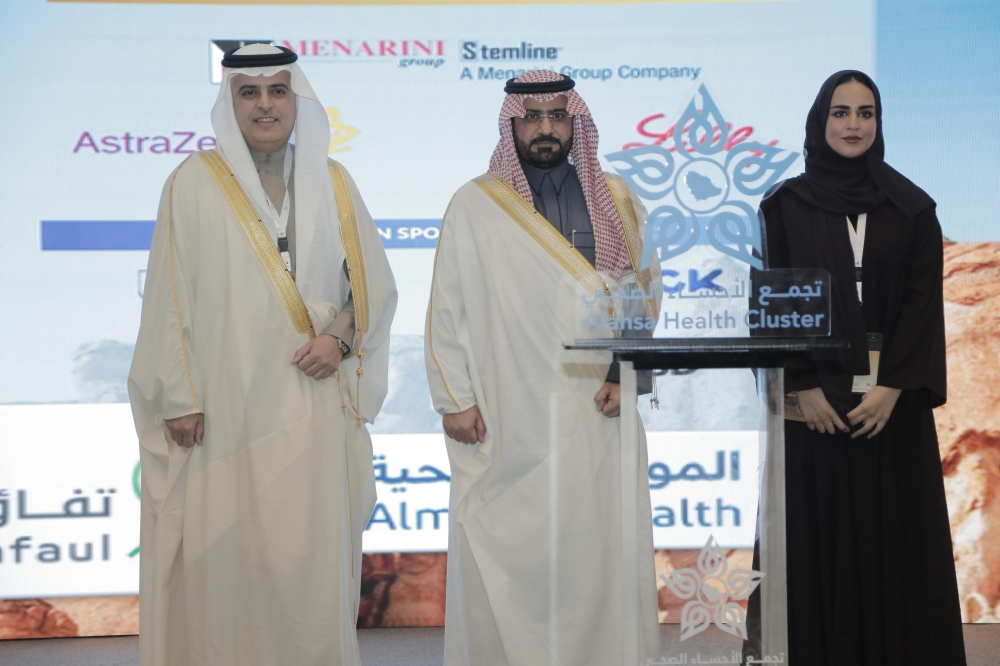
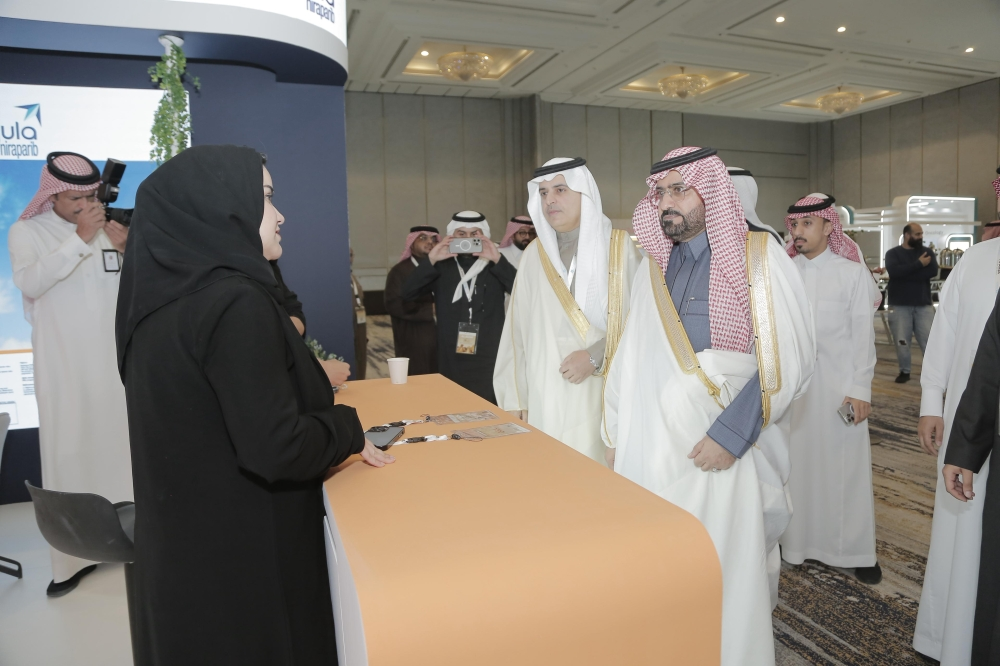
These outcomes were announced during the inauguration of the conference activities by the Deputy Governor of Al-Ahsa, Muath Al-Jaafari, on behalf of His Royal Highness Prince Saud bin Talal bin Badr, Governor of Al-Ahsa, and organized by the Al-Ahsa Health Cluster at the Al-Ahsa Intercontinental Hotel, amidst the presence of a select group of experts and specialists.
Supporting leadership and quality healthcare
In his opening remarks, the Deputy Governor affirmed that His Highness the Governor's patronage of this prominent medical event embodies the great attention the wise leadership pays to human health and its continuous commitment to improving the quality of healthcare services provided to citizens and residents. Al-Jaafari noted that supporting initiatives that promote prevention and early diagnosis is a fundamental pillar of the governorate's health strategy, and he commended the significant organizational efforts undertaken by the Al-Ahsa Health Cluster to ensure the success of this scientific gathering.
Integration of sectors and conference themes
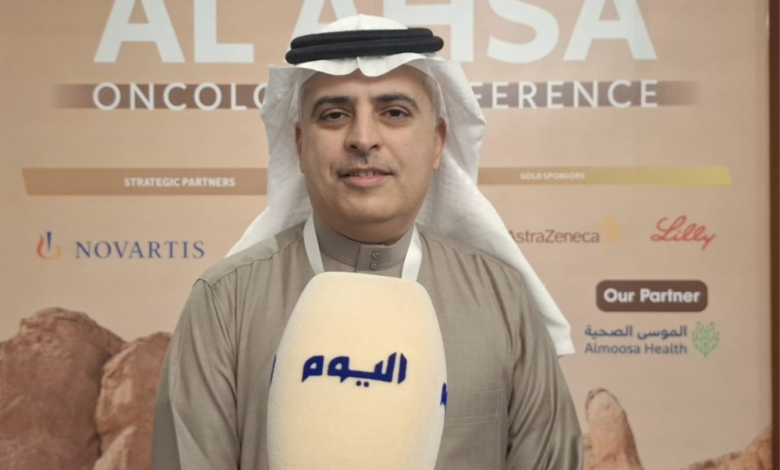
For his part, Dr. Khalid Al-Mulla, CEO of the Al-Ahsa Health Cluster, explained that the conference represents a platform for integration between various medical and health sectors, specialized associations, and the private sector. Al-Mulla reviewed the conference's key figures, which included more than 16 accredited continuing education hours and the participation of over 45 speakers from within and outside the Kingdom. These speakers covered all stages of the cancer treatment journey, from early detection and prevention, through hormonal, radiotherapy, and targeted therapies, to rehabilitation and palliative care.
Moving towards precision personalized medicine
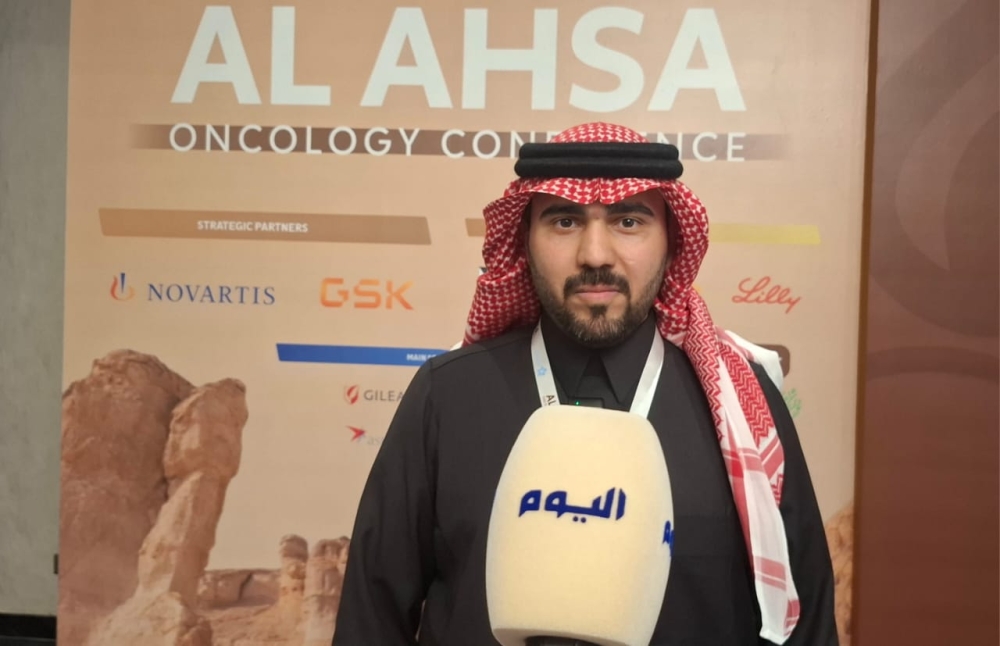
In elaborating on the scientific aspect, Dr. Abdulrahman Al-Abdali, Chairman of the Conference Organizing Committee, emphasized that modern medical practice no longer relies on the principle of “one treatment for all,” but has shifted to the concept of “personalized medicine,” which places the patient and their biological and genetic characteristics at the heart of the treatment decision. He affirmed that recent studies have proven that using targeted and immunotherapies in the early stages of disease achieves tangible positive results that improve patients' quality of life and increase their chances of full recovery.
Regional impact and localization of treatment
These recommendations reflect the readiness of medical centers in Al-Ahsa, particularly the Hamad Al-Jabr Oncology Center, to keep pace with this global development, thus contributing to the localization of advanced treatment and reducing the need to refer patients to centers outside the region. The conference concluded with the honoring of sponsors and participants, and an emphasis on the continued efforts to develop and train human resources to handle the latest treatment technologies, ensuring the best possible care for beneficiaries.