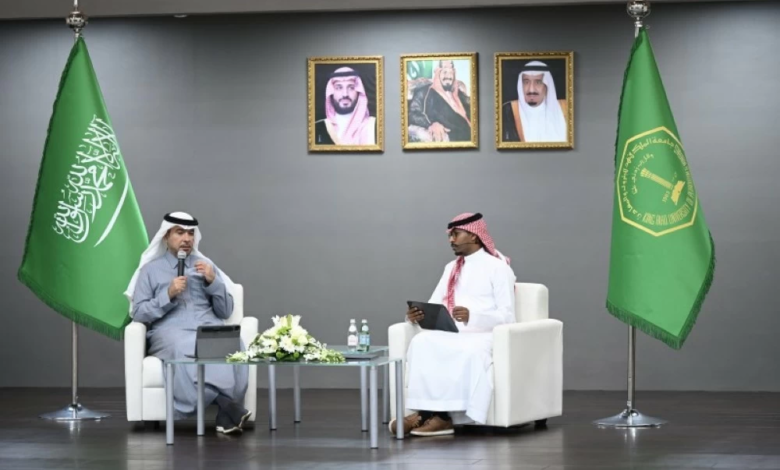

أكد معالي وزير البلديات والإسكان، الأستاذ ماجد بن عبدالله الحقيل، أن المملكة العربية السعودية تخطو خطوات متسارعة نحو بناء مدن المستقبل، معتمدة في ذلك على الابتكار الرقمي والشراكات الاستراتيجية الفاعلة بين القطاع الحكومي والمؤسسات الأكاديمية. وجاء ذلك خلال جلسة حوارية بعنوان "نحو مدن المستقبل الذكية والمستدامة"، التي عقدت خلال لقائه بنخبة من الأكاديميين وطلبة جامعة الملك فهد للبترول والمعادن.
التحول الرقمي في ضوء رؤية 2030
يأتي حديث الوزير في سياق الحراك التنموي الشامل الذي تشهده المملكة ضمن مستهدفات رؤية السعودية 2030، والتي تضع "جودة الحياة" و"المدن الذكية" في مقدمة أولوياتها. وأشار الحقيل إلى أن دمج تقنيات الذكاء الاصطناعي في القطاع البلدي لم يعد ترفاً، بل ضرورة ملحة لإدارة التوسع العمراني والنمو السكاني بكفاءة عالية. وأوضح أن الوزارة تعمل على تحويل التحديات الحضرية المعقدة إلى فرص تنموية مستدامة من خلال الاعتماد على البيانات الدقيقة.
أرقام قياسية في الكفاءة والوفر المالي
وفي لغة الأرقام التي تعكس حجم الإنجاز، كشف الحقيل عن نتائج مبهرة لتطبيق التقنيات الحديثة، حيث ساهمت أدوات مثل "الرؤية الحاسوبية" و"الرقابة الذكية" في تحقيق قفزات نوعية، منها:
- خفض التكاليف التشغيلية: بنسبة وصلت إلى 80%، مما يعكس كفاءة الإنفاق الحكومي.
- وفر مالي مباشر: تجاوز 250 مليون ريال، نتج بشكل أساسي عن تحسين جودة طبقات الطرق والمشاريع الإنشائية.
- رفع معدل الامتثال: وصل إلى 64% بفضل الرقابة الآلية الدقيقة.
- تقليل الاعتماد البشري: انخفضت الحاجة للمراجعات الحضورية والتدخل البشري في عمليات الرقابة إلى 2% فقط.
تقنيات المستقبل: التوأم الرقمي والدرونز
واستعرض الوزير التوجهات المستقبلية للوزارة، مشيراً إلى السعي لإنشاء مختبرات وطنية حية لتطبيقات الذكاء الاصطناعي. وتشمل هذه التطبيقات استخدام "التوأم الرقمي" (Digital Twin) للمدن، وهي تقنية متطورة تتيح محاكاة السيناريوهات المستقبلية وتأثير المشاريع قبل تنفيذها على أرض الواقع، مما يقلل من الأخطاء الهندسية والهدر المالي. كما نوه إلى التوسع في استخدام الطائرات بدون طيار (الدرونز) المدعومة بالرؤية الحاسوبية لتسريع نقل الابتكار من المختبرات إلى شوارع المدن، وضمان التطبيق المسؤول لهذه التقنيات.
الشراكة الاستراتيجية مع الجامعات
وشدد الحقيل على أن الجامعات، وعلى رأسها جامعة الملك فهد للبترول والمعادن وجامعة الملك سعود، ليست مجرد صروح تعليمية، بل شركاء استراتيجيين في قيادة التحول الحضري. وأشاد بدور الخريجين والباحثين في تفعيل "إطار قياس أثر أعمال القطاع البلدي" (MCIF)، وتطوير 19 دليلاً تصميمياً ساهمت في تأصيل العمارة السعودية وتحسين المشهد الحضري.
انعكاسات إيجابية على جودة الحياة
واختتم الوزير حديثه بالإشارة إلى أن هذا التحول الجوهري في فلسفة العمل انعكس إيجاباً على رضا السكان، حيث ارتفعت نسبة الرضا عن الخدمات البلدية من 49% إلى أكثر من 65%، وعن نظافة المدن من 53% إلى 76%. وتؤكد هذه المؤشرات نجاح استراتيجية الوزارة في إدارة أصول ضخمة تشمل أكثر من 8000 حديقة و196 ألف كيلومتر من الطرق، لضمان استدامة الموارد ورفاهية المواطن.