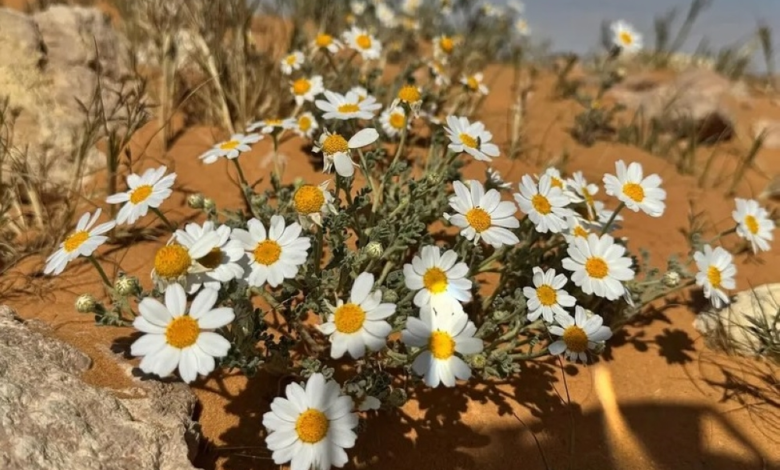

In a strategic move that reinforces Saudi Arabia's efforts towards a more sustainable future, the National Afforestation Program a comprehensive plant roadmap for the Al-Jawf region, precisely identifying the most suitable native species for cultivation and their distribution in their natural environments. This announcement culminates intensive research and field efforts aimed at guiding afforestation towards the most sustainable species, directly contributing to the goals of the "Saudi Green Initiative" and the Kingdom's Vision 2030.
National context and strategic importance
This step gains significance within the broader context of the Kingdom's environmental transformation, as the country aims to plant 10 billion trees over the coming decades through the Saudi Green Initiative. The Al-Jawf region, with its rich agricultural history and strategic geographical location, is a cornerstone of this national project. Relying on native plants is not merely an environmental choice, but also an economic and water-saving imperative. These species are distinguished by their superior ability to adapt to harsh climatic conditions and their lower water consumption compared to introduced species, thus ensuring the sustainability of natural resources for future generations.
The program emphasized that plant identification is strategically aimed at developing vegetation cover and combating land degradation and desertification, with a focus on establishing a culture of sustainable afforestation among local communities, and promoting awareness of the importance of maintaining ecological balance.
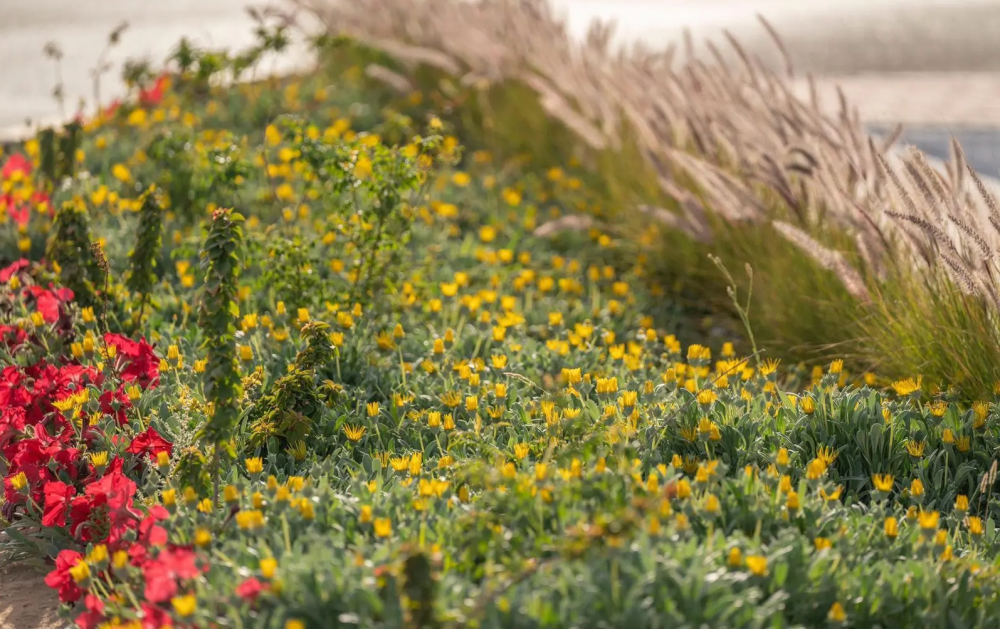
Topographical diversity and biological richness
Technical studies of the program revealed that the vegetation in the Al-Jawf region is distributed across highly diverse topographical environments, including dunes, sandy plains, and highlands, as well as meadows, valleys, and plateaus, extending to unique environments such as salt flats and the vast expanse of the Nafud Desert. This geographical diversity has created a nurturing environment for a wide variety of trees, shrubs, and perennial and annual grasses.
Field surveys have shown that the region is home to native species that dominate the environmental landscape, such as the acacia, the tamarisk, the tamarisk and the tamarisk, in addition to the horse, the tamarisk, the tamarisk, the tamarisk, and the tamarisk, which form an essential part of the region’s environmental identity and contribute to stabilizing the sandy soil and reducing dust storms.
List of approved types and their expected impact
The approved list of species suitable for the local environment includes plants such as *Rhamnus*, *Thamin*, *Jalman*, and *Aran*, in addition to *Dhamran*, *Qaisum*, *Arfaj*, *Asaf*, and *Retm*. It also includes vital species of high environmental value such as *Shahiba*, *Gharqad*, wild jujube, Arabian almond, *Awsaj*, wild iris, and sorrel. This diversity provides a wide range of options for both government and private afforestation projects, enhancing the chances of success for these projects and increasing green spaces.
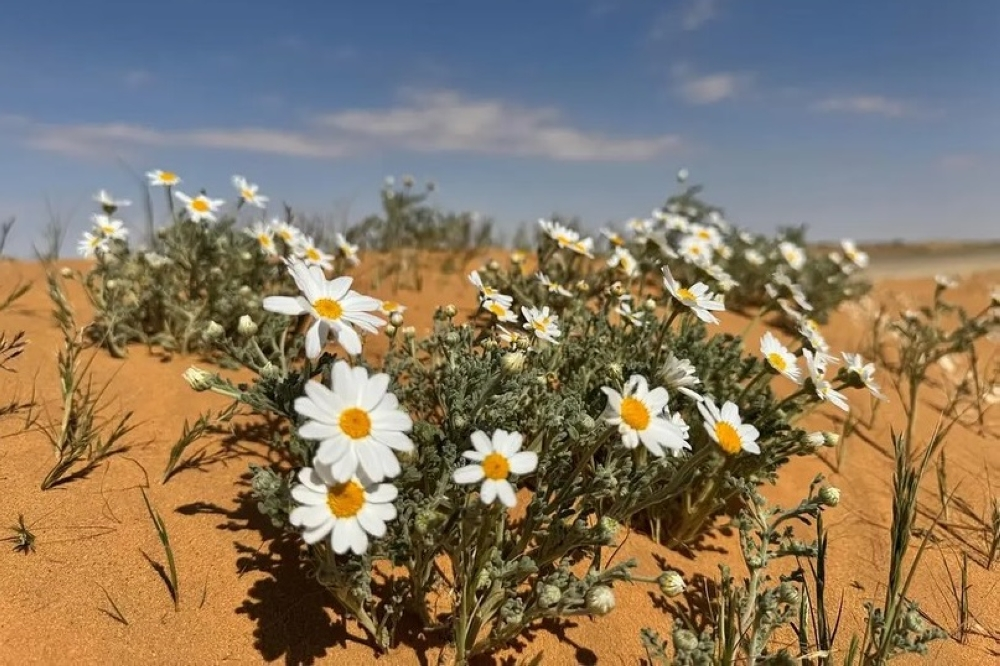
The program indicated that this great plant diversity comes from multiple scientific lineages and families that reflect the unique biological richness of Al-Jawf, most notably the legume, amaranth, oleander, compound, and caper families, in addition to the harmal, rhubarb, sidr, rose, and senna families.
Towards a sustainable environmental future
This precise identification of plant species is expected to contribute to improving the quality of life in the region, as these plants act as natural air purifiers and windbreaks, in addition to their role in supporting biodiversity, including birds and other wildlife. The program concluded its report by emphasizing that the Solanaceae, Tamarix, Apiaceae, Apiaceae, and Mustardaceae families, along with the Ephedra, Iridaceae, Grasses, and Lamium families, represent a fundamental pillar in the strategy to increase green spaces and restore ecological balance in the region based on sound scientific principles, thus placing Al-Jawf at the heart of national efforts to combat climate change.