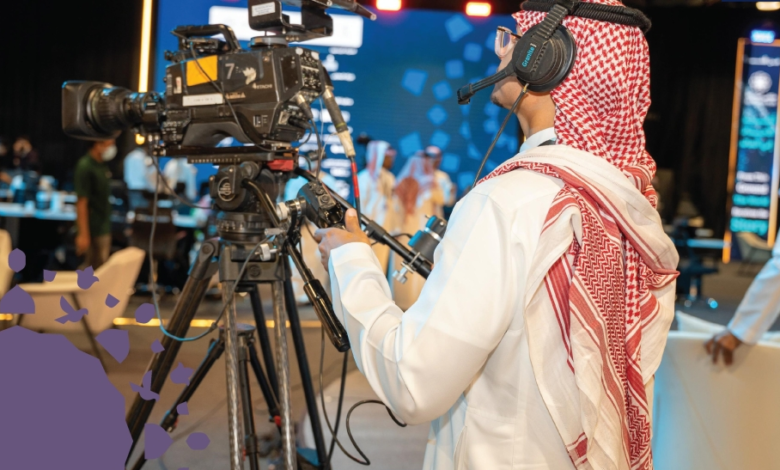
Launch of the Hajj Media Forum: An integrated environment to support season coverage

commenced today in Makkahthe Hajj Media Forum, the premier media event organized by the Unified Media Operations Center for Hajj, affiliated with the Saudi Ministry of Media . This exceptional forum is being held from the 3rd to the 6th of Dhul-Hijjah 1447 AH (May 20-23, 2026) at the Makkah Chamber of Commerce and Industry Exhibition and Events Center. Its aim is to provide a comprehensive and innovative media environment that supports Hajj season coverage and facilitates the work of journalists and media professionals from around the world.
General context and historical background of the Kingdom's media efforts
Historically, the Kingdom of Saudi Arabia has devoted considerable attention and care to serving pilgrims, and this attention extends beyond logistical, security, and health aspects to include the media. The Saudi Ministry of Media recognized decades ago the importance of conveying an accurate picture of the immense efforts undertaken in managing crowds and facilitating the performance of Hajj rituals. Within the framework of Saudi Vision 2030, the media sector has undergone a radical transformation towards digitalization and innovation, leading to the establishment of impactful initiatives such as the Hajj Media Forum. This forum serves as a global platform that brings together content creators and media outlets under one roof to document and broadcast the pilgrims' journey with transparency and high professionalism.
The importance of the event and its local, regional, and international impact
The Hajj Media Forum holds immense strategic importance on several levels. Locally, it contributes to highlighting the significant transformation in services provided to pilgrims and enhances the capabilities of national media professionals through interaction with international expertise. Regionally and internationally, the forum serves as a bridge to the Islamic world and the international community as a whole, facilitating access for over 1.9 billion Muslims to the details of this magnificent spiritual event. It also plays a crucial role in providing accurate and reliable information to global media outlets, thus mitigating rumors and showcasing Islam's tolerant message and the values of peace and forgiveness embodied by the gathering of pilgrims in one place.
Interactive technologies and supportive media zones
The forum, in its current edition, welcomed hundreds of media professionals and interested parties to a comprehensive media environment utilizing the latest interactive technologies. The event comprises seven main zones, combining creative spaces and specialized workshops. It also includes a platform equipped for press briefings and a creative exhibition showcasing the latest services and development projects in the Holy Sites.
Developing talent through the Saudi Media Academy
In a move aimed at raising professional standards, the Saudi Media Academy, affiliated with the Ministry of Media, is offering a series of specialized training workshops at the forum. These workshops include intensive training in conference management, professional presentation and public speaking skills, and developing effective strategies for using artificial intelligence technologies in media production, reflecting the Kingdom's commitment to keeping pace with the latest technological trends in the world of journalism and media.
To register and attend the forum events, you can visit the official link here.
The Hajj Media Forum brings together media professionals under one roof, in a space that documents the details of the pilgrimage and conveys Hajj services and stories to the world. pic.twitter.com/vtSaXeXXcK— Ministry of Media (@media_ksa) May 20, 2026