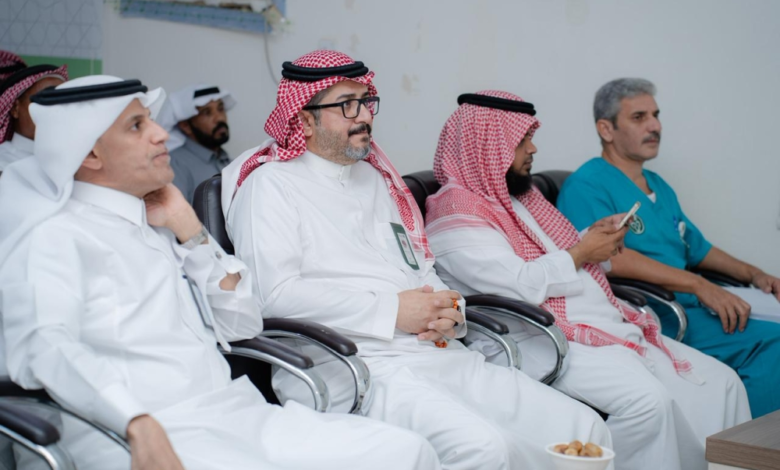

In a move aimed at enhancing health and environmental security, the Ministry of Environment, Water and Agriculture office in Al-Lith Governorate organized a specialized awareness seminar entitled “Raising Awareness of Insect-Transmitted Diseases,” as part of an effective strategic partnership with the National Center for Prevention and Control of Plant Pests and Animal Diseases “Wiqa’a”, and in cooperation with the Bani Yazid Charitable Society.
Strategic partnership to protect society
This event comes within the framework of the Kingdom of Saudi Arabia's ongoing efforts to raise health and environmental awareness among all segments of society. The symposium witnessed a high level of participation, reflecting the interest of government agencies and the non-profit sector in uniting efforts to address potential health risks. These initiatives are particularly important in areas where environmental conditions may be conducive to insect proliferation, necessitating constant vigilance and proactive measures.
Environmental commitment: the first line of defense
The specialists and experts participating in the symposium agreed that strict adherence to environmental regulations and standards represents the first and most effective line of defense in limiting the spread of insect vectors. They emphasized that chemical control alone is insufficient; it must be integrated with sustainable environmental management that prevents the problem from arising at its root.
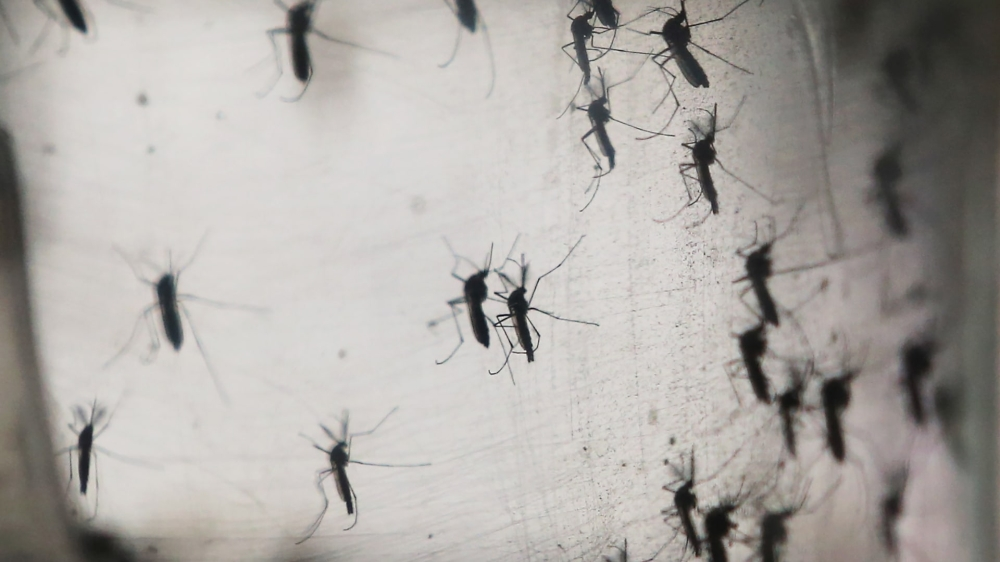
In this regard, the general context of vector control was reviewed, as insect-borne diseases such as dengue fever and malaria are a global and regional challenge, and the Kingdom pays great attention to insect surveillance and integrated control programs to ensure that residential and agricultural areas are free from these threats, in line with the Kingdom’s Vision 2030 objectives to promote public health and quality of life.
The importance of preventive measures and the role of society
During the symposium sessions, experts explained that the concept of "preventive control" begins with sound environmental behavior by individuals and institutions. They emphasized the following points:
- It is necessary to eliminate potential breeding grounds, such as stagnant water pools and small swamps, before they become sources of disease transmission.
- Compliance with regulations governing public hygiene and sanitation is essential for promoting public health.
- Implementing a package of health and environmental guidelines that ensures a significant reduction in the chances of contracting insect-borne diseases.
Positive interaction and sustainability of efforts
The sessions witnessed widespread positive interaction from attendees, with organizers providing precise scientific answers on safe and effective prevention methods. This initiative aims to solidify the concept of sustainable prevention and activate the community's role in supporting government efforts to combat pests and zoonotic diseases, thus contributing to creating a safe and stable health environment for the governorate's residents and visitors.