
Details of the decision to prevent residents from entering Mecca
As part of early and intensive preparations for the Hajj season, Saudi Arabia's Public Security Directorate officially announced the implementation of a decision prohibiting residents from entering Mecca without prior authorization. This decision will take effect on Monday, Shawwal 25, 1447 AH (April 13, 2026). This measure is part of the annual strategic plans aimed at ensuring the smooth flow of movement and providing a safe and comfortable environment for pilgrims before the start of the Hajj rituals.
The three cases exempted from the ban decision
Public security clarified that there are specific exceptions that allow certain categories of residents to enter the holy city of Mecca without obstacles, and these exceptions are limited to three main cases, which are as follows:
- Work permit in the Holy City: Residents who possess valid work permits issued by the competent authorities to work within Mecca are allowed to enter and perform their job duties.
- Resident ID issued from Mecca: Residents who hold a residence permit (resident ID) issued by the passports office of the Holy Capital are excluded, as they are considered residents of the city.
- Valid Hajj permit: Those who have completed the registration procedures and obtained an official Hajj permit are allowed to enter to perform the rituals.
General context and historical background of Hajj organization
Historically, Saudi Arabia has implemented strict regulatory measures weeks before the Hajj season. The requirement for residents to obtain a permit to enter Mecca is a standard security and organizational procedure activated annually in the month of Shawwal. In past decades, crowd management challenges necessitated extensive human intervention. However, with technological advancements and the Kingdom's Vision 2030, these procedures are now automated and streamlined through trusted government platforms such as Absher and Muqeem, making it easier for both the public and private sectors to obtain permits for their employees.
The importance of the event and its expected impact
Local impact
Locally, this decision directly contributes to eliminating the phenomenon of unauthorized Hajj (pilgrimage without a permit) and reduces traffic and crowd congestion in the streets of Mecca and the holy sites. It also allows security, health, and service authorities to provide their services more efficiently, which positively impacts the quality of life for Mecca residents and ensures the comfort of authorized pilgrims.
Regional and international impact
Regionally and internationally, this meticulous organization sends a reassuring message to all Islamic countries and the world at large, affirming that the Kingdom of Saudi Arabia places the safety and security of pilgrims at the forefront of its priorities. By controlling the number of pilgrims in the Holy City, the Kingdom ensures the minimization of health and security risks, and presents a global model for managing millions of people gathered in a specific geographical area at the same time.
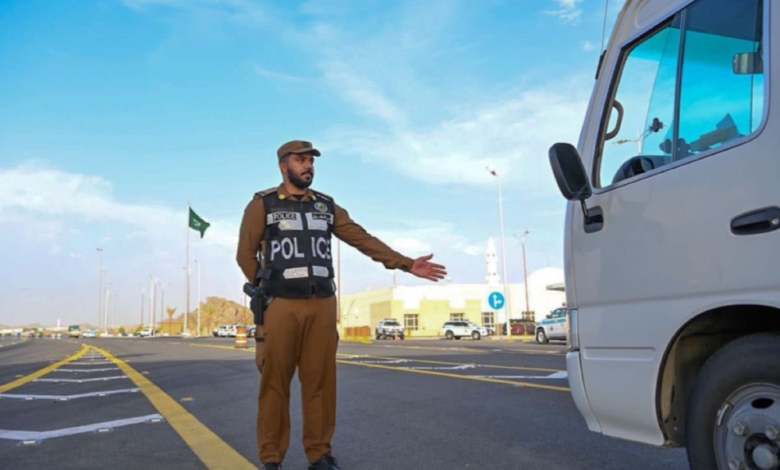
In conclusion, the Public Security stressed the need for all residents to comply with the issued instructions, confirming that the security authorities will apply the regulations firmly and return those who do not have the necessary permits from the security checkpoints leading to Makkah, to ensure the success of the operational plans for the Hajj season.