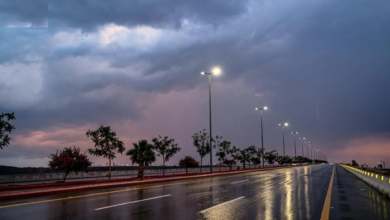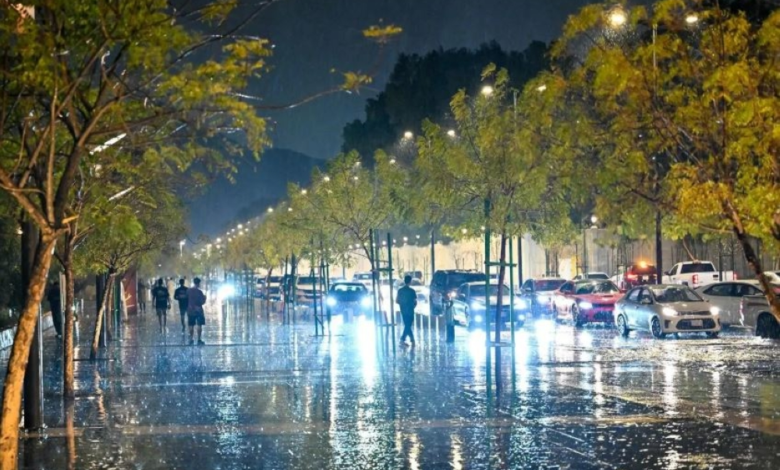

أصدر المركز الوطني للأرصاد اليوم تنبيهاً متقدماً حول حالة الطقس المتوقعة على منطقة المدينة المنورة، محذراً من تقلبات جوية حادة تشمل هطول أمطار غزيرة مصحوبة بظواهر جوية متعددة قد تؤثر على سير الحياة اليومية وحركة المرور في المنطقة.
تفاصيل الحالة الجوية والمناطق المتأثرة
أوضح المركز في تقريره أن الحالة الجوية، التي تبدأ من الساعة الثانية فجرًا وتستمر حتى الساعة السابعة مساءً، ستشهد هطول أمطار غزيرة على محافظات العيص، بدر، الرايس، وينبع. وأشار التقرير إلى أن هذه الأمطار لن تكون اعتيادية، بل يُتوقع أن يصاحبها رياح شديدة السرعة قد تؤدي إلى إثارة الأتربة والغبار قبل هطول المطر، بالإضافة إلى انعدام شبه تام في مدى الرؤية الأفقية، وتساقط حبات البرد، مع احتمالية عالية لجريان السيول في الأودية والشعاب، وحدوث صواعق رعدية قوية.
وفي سياق متصل، شمل التنبيه توقعات بهطول أمطار متوسطة الشدة على المدينة المنورة ومحافظات العلا، خيبر، الحناكية، المهد، ووادي الفرع، خلال نفس الفترة الزمنية. وتترافق هذه الحالة أيضاً مع نشاط في الرياح السطحية وتدنٍ في الرؤية، مما يستدعي الحذر أثناء القيادة على الطرق السريعة التي تربط بين هذه المحافظات.
السياق الجغرافي وأهمية التحذيرات
تكتسب هذه التحذيرات أهمية خاصة نظراً للطبيعة الجغرافية لمنطقة المدينة المنورة، التي تتميز بوجود العديد من الأودية الكبيرة والشعاب التي تصب فيها مياه الأمطار من المرتفعات المحيطة. تاريخياً، تُعرف المنطقة بأنها عرضة لجريان السيول المنقولة التي قد تباغت المتنزهين أو عابري الطرق الزراعية، مما يجعل الالتزام بتحذيرات الأرصاد والدفاع المدني أمراً حيوياً للحفاظ على الأرواح والممتلكات.
وتأتي هذه الحالة ضمن موسم التقلبات الجوية الانتقالية التي تشهدها المملكة، حيث تتأثر المنطقة بمنخفضات جوية تساهم في تكوّن السحب الركامية الرعدية الممطرة. ويعمل المركز الوطني للأرصاد عبر أنظمة الرصد الآلي والأقمار الصناعية على متابعة هذه الحالات بدقة عالية لإصدار الإنذارات المبكرة، مما يتيح للجهات المعنية مثل الدفاع المدني والمرور اتخاذ التدابير اللازمة.
إرشادات السلامة والوقاية
دعا المركز الوطني للأرصاد والجهات المختصة جميع المواطنين والمقيمين إلى ضرورة أخذ الحيطة والحذر، والالتزام بتعليمات السلامة العامة. ويُشدد الخبراء في مثل هذه الظروف على أهمية:
- الابتعاد تماماً عن مجاري السيول وبطون الأودية، وعدم المجازفة بقطعها مهما كانت نسبة المياه منخفضة.
- تجنب المناطق المنخفضة وتجمعات المياه داخل المدن.
- الحذر من الصواعق الرعدية وتجنب استخدام الهواتف المحمولة في المناطق المكشوفة أثناء العواصف.
- متابعة النشرات الجوية وتحديثات الحالة عبر القنوات الرسمية وحسابات الأرصاد والدفاع المدني الموثقة.