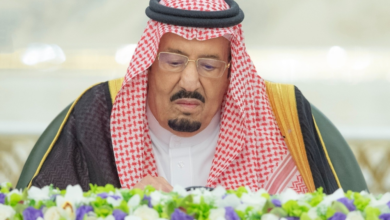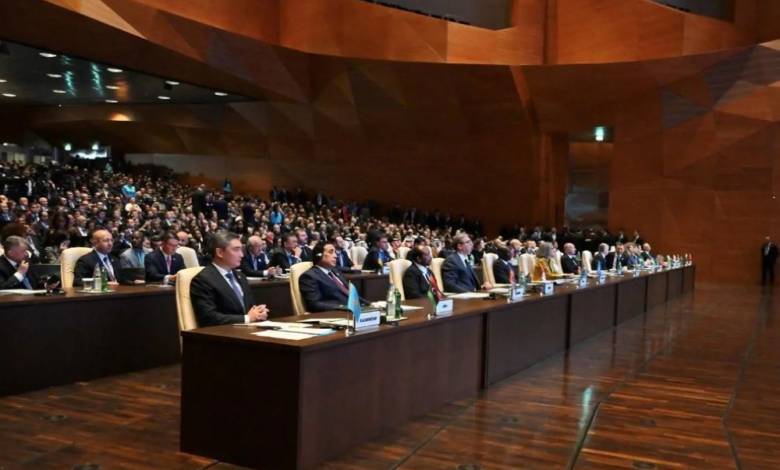

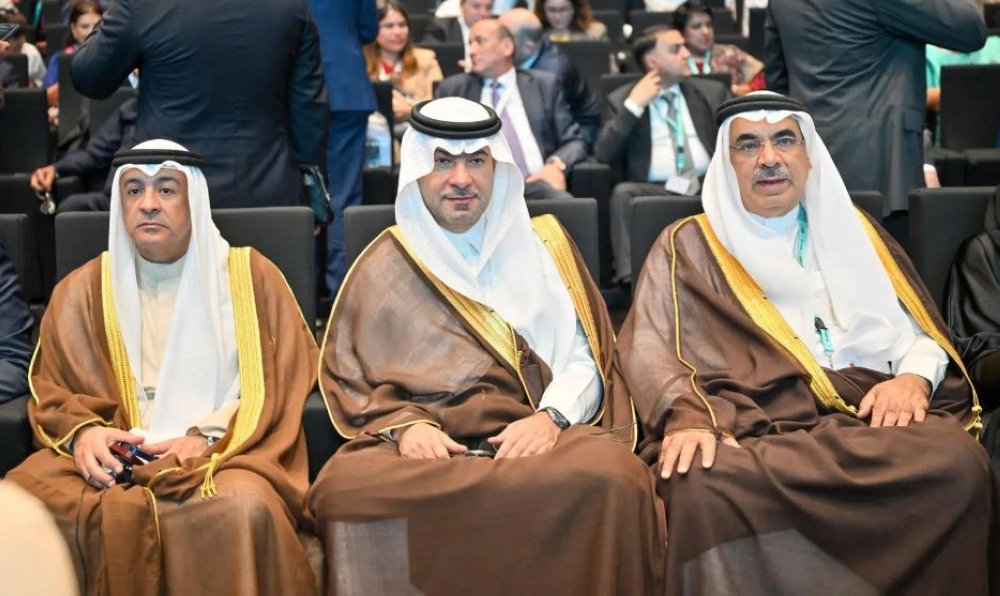
نيابةً عن خادم الحرمين الشريفين الملك سلمان بن عبدالعزيز آل سعود، وصاحب السمو الملكي الأمير محمد بن سلمان بن عبدالعزيز آل سعود، ولي العهد رئيس مجلس الوزراء -حفظهما الله-، ترأس معالي وزير البلديات والإسكان، الأستاذ ماجد بن عبدالله الحقيل، وفد المملكة العربية السعودية المشارك في الاجتماع الرئاسي للدول المشاركة في المنتدى الحضري العالمي الثالث عشر، الذي ينظمه برنامج الأمم المتحدة للمستوطنات البشرية في مدينة باكو. وشهد الحدث مشاركة دولية واسعة من قادة الدول، والمسؤولين، والخبراء، والمنظمات الدولية المعنية بالتنمية الحضرية المستدامة.
السياق التاريخي وأهمية المنتدى الحضري العالمي
يُعد المنتدى الحضري العالمي، الذي أسسته الأمم المتحدة في عام 2001، المنصة العالمية الأبرز لمناقشة التحديات الناتجة عن التوسع الحضري السريع وتأثيره على المجتمعات والمدن والاقتصادات. وتأتي مشاركة المملكة في هذا المحفل الدولي امتداداً لالتزامها التاريخي بتحقيق أهداف التنمية المستدامة للأمم المتحدة، وتحديداً الهدف الحادي عشر الرامي إلى جعل المدن والمستوطنات البشرية شاملة للجميع وآمنة وقادرة على الصمود ومستدامة. وتمثل هذه المشاركة فرصة حيوية لتبادل الرؤى والحلول المبتكرة مع المجتمع الدولي.
تحول حضري شامل تقوده رؤية 2030
خلال كلمته، أكد معالي الوزير الحقيل أن المملكة العربية السعودية تشهد تحولاً حضرياً غير مسبوق، تقوده وتوجهه مستهدفات “رؤية السعودية 2030”. وقد جعلت هذه الرؤية الطموحة من جودة الحياة والاستدامة محورين رئيسيين في كافة خطط التنمية الحضرية، مما يسهم في بناء مدن أكثر شمولية وارتباطاً بالإنسان. وأوضح معاليه أن المملكة لا تكتفي بتطوير المدن من الناحية الإنشائية فحسب، بل تعمل على إعادة صياغة مفهوم المدينة بالكامل، عبر تبني نماذج حضرية حديثة تخلق توازناً دقيقاً بين التنمية الاقتصادية، والاستدامة البيئية، وجودة الحياة، مشيراً إلى أن هذا التحول الوطني يعيد تعريف العلاقة بين الإنسان والمكان.
إنجازات القطاع الحضري والإسكاني
وبيّن الحقيل أن المملكة حققت منجزات نوعية في القطاع الحضري والإسكاني، كان من أبرزها ارتفاع نسبة تملك الأسر السعودية للمساكن إلى أكثر من 66%، مقتربة من مستهدفات الرؤية. إلى جانب ذلك، تم توفير حلول وبرامج سكنية وتنموية استفاد منها أكثر من مليون أسرة في مختلف المناطق. وشملت هذه الجهود برامج “الإسكان التنموي” التي أسهمت بشكل فعال في تمكين الأسر الأشد حاجة من تملك مساكنها، مما يعزز من استقرارها الاجتماعي والاقتصادي ويحقق التكافل المجتمعي.
أنسنة المدن وبناء مدن المستقبل الذكية
وأشار معاليه إلى أن المملكة وضعت الإنسان في قلب التنمية الحضرية، من خلال تعزيز الوصولية الحضرية وإعادة تصميم المدن لتكون أكثر حيوية وأماناً. وللحفاظ على الإرث الثقافي، تم إطلاق 19 طرازاً معمارياً يعكس الهوية العمرانية السعودية ويحافظ على الطابع الثقافي للمدن بالتوازي مع التطور الحديث. وأكد أن المملكة تمضي قدماً في بناء مدن المستقبل عبر تبني مفاهيم المدن الذكية وتوظيف التقنيات المتقدمة؛ حيث سُجلت أكثر من 8 مدن سعودية ضمن مؤشر IMD للمدن الذكية، وانضمت 16 مدينة إلى مبادرة المدن الصحية العالمية، في خطوة تعكس تكامل الجهود لرفع جودة الحياة.
التأثير الإقليمي والدولي وتعزيز الشراكات
وعلى الصعيدين الإقليمي والدولي، شدد الحقيل على أهمية تعزيز الشراكات الدولية وتبادل الخبرات لبناء مدن قادرة على مواجهة التحديات المستقبلية كالتغير المناخي والنمو السكاني. وأكد أن تجربة المملكة تمثل اليوم نموذجاً إقليمياً وعالمياً متقدماً يرتكز على الإنسان والهوية والاستدامة. هذا النموذج لا ينعكس إيجاباً على الداخل السعودي فحسب، بل يعزز من مكانة المملكة كقوة مؤثرة في صياغة مستقبل التنمية الحضرية عالمياً، ويفتح آفاقاً واسعة لجذب الاستثمارات الأجنبية التي تدعم الاقتصاد الوطني وتخلق فرص عمل جديدة.