Al-Alimi announces the formation of the new Yemeni government: details and implications

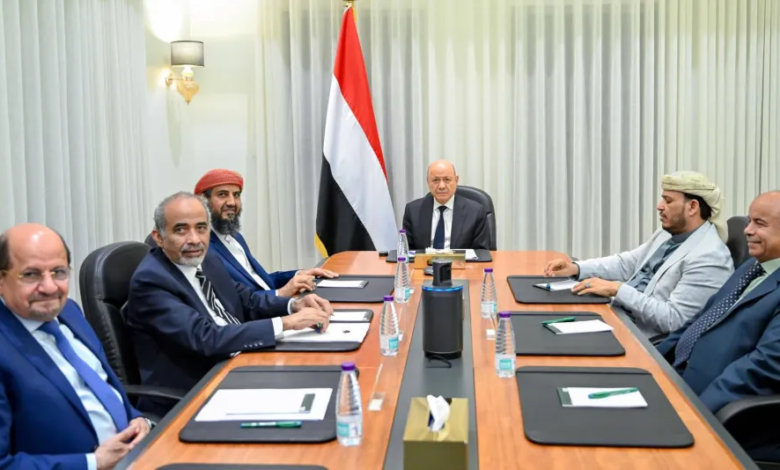
In a significant political move aimed at restructuring Yemen's internal affairs, the head of the Presidential Leadership Council, Dr. Rashad al-Alimi, announced the formation of the new Yemeni government. This comes as part of ongoing efforts to unify national forces opposed to the coup and strengthen legitimate state institutions. The announcement culminates a series of intensive political consultations sponsored by the Kingdom of Saudi Arabia and the Gulf Cooperation Council (GCC) countries, with the goal of reaching a consensus that ensures representation for the various political and social groups in Yemen.
The historical and political context of the event
This announcement cannot be viewed in isolation from the radical transformations that have swept the Yemeni landscape since the formation of the Presidential Leadership Council in April 2022, which succeeded former President Abd Rabbuh Mansur Hadi. The Council was established based on the outcomes of the Yemeni-Yemeni consultations in Riyadh, with the aim of managing the transitional phase politically, militarily, and in terms of security. The new government is considered an extension of the spirit of the "Riyadh Agreement," which stipulated power-sharing between the north and south and the unification of military and security efforts under the umbrella of the Ministries of Defense and Interior, to ensure the stability of the liberated governorates.
Economic and service priorities
The new government faces formidable challenges, foremost among them the unprecedented economic crisis, marked by the plummeting value of the national currency and soaring inflation. The government is expected to focus its new program on implementing structural reforms within the central bank and the financial sector, with direct support from its brothers in the Kingdom of Saudi Arabia and the United Arab Emirates, to ensure the continued payment of salaries and the provision of essential services such as electricity and water, which Yemeni citizens have suffered from shortages for years.
Regional and international dimensions
This announcement has been widely welcomed internationally, as the international community, led by the United Nations, the United States, and the European Union, views a strong and unified Yemeni government as essential for advancing the comprehensive peace process. Unifying the legitimate government's internal front strengthens its negotiating position in any future peace talks with the Houthi group and facilitates the flow of humanitarian aid and the implementation of development projects funded by international donors. The success of this government hinges on its ability to overcome internal divisions and work as a cohesive team to address major national challenges.