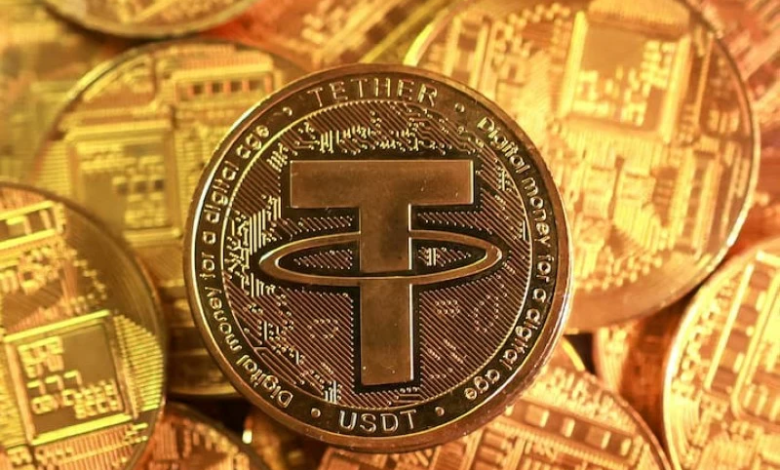

Tether, the issuer of the world’s largest stablecoin, announced unprecedented measures to freeze nearly $4.2 billion of its digital currency (USDT) due to its connection to what it described as “illegal” financial activities, in a move that reflects a major shift in compliance policies within the crypto market.
This decisive move comes amid mounting global regulatory pressure aimed at cleaning up the cryptocurrency market from illicit uses. According to company data and Reuters reports, the bulk of these funds, estimated at around $3.5 billion, were frozen during 2023 alone. This timing suggests a direct response to the escalating efforts by international regulators and governments seeking to impose stricter controls on digital money flows to prevent their use in financing terrorism or money laundering.
Tether's dominance and rapid growth
Tether (USDT) is a cornerstone of the cryptocurrency market, providing traders with much-needed liquidity thanks to its peg to the US dollar. The currency has experienced explosive growth, with its current trading volume exceeding $180 billion, compared to just $70 billion three years ago. This rapid expansion has made it attractive not only to legitimate investors but also to criminal actors seeking to exploit the speed and near-anonymity of digital transactions offered by blockchain technology.
Cooperation with the US Department of Justice and combating "romantic slaughter"
In its cooperation with law enforcement, the company revealed that it assisted the U.S. Department of Justice this week in freezing approximately $61 million. These funds were linked to sophisticated scams known as "pig butchering," a sophisticated social engineering scam in which fraudsters build fake romantic relationships with victims online to gain their trust before tricking them into transferring large sums of money, which they then steal.
Geopolitical and security dimensions
The bans weren't limited to traditional financial crimes; they extended to sensitive geopolitical and security issues. The company had previously confirmed banning digital wallets linked to human trafficking, as well as freezing assets connected to the financing of terrorism and armed conflicts in areas of tension such as Israel and Ukraine. Furthermore, Russian exchanges under sanctions reported that Tether had blocked funds on their platforms, reflecting the company's commitment to international sanctions.
Challenges of money laundering and international oversight
These moves come in response to growing concerns from the Financial Action Task Force (FATF) and other regulatory bodies. Blockchain analysis indicates that money launderers received at least $82 billion in cryptocurrency last year, a dramatic increase from $10 billion in 2020. Much of this surge is attributed to the activity of organized criminal groups, some of them Chinese-speaking, exploiting loopholes in digital asset regulations.
Tether confirms that it has the full technical capability, via smart contracts, to remotely freeze currencies in users’ wallets based on official requests from law enforcement agencies, sending a strong message that digital currencies are no longer a safe haven for criminal activities as some previously believed.