
مقدمة: الأهمية الاستراتيجية للقرن الأفريقي
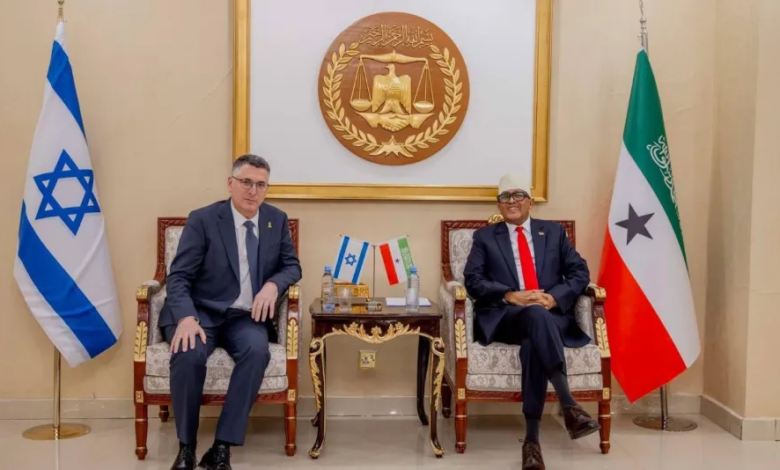
تتصدر منطقة القرن الأفريقي، وتحديداً “أرض الصومال” (صوماليلاند)، واجهة الأحداث الجيوسياسية في ظل تقارير تتحدث عن مساعٍ لتمدد نفوذ قوى إقليمية ودولية، من بينها إسرائيل. يطرح هذا المشهد تساؤلات جوهرية حول حدود التحركات العربية لوقف هذا التمدد المحتمل، خاصة وأن المنطقة تطل على ممرات مائية حيوية مثل مضيق باب المندب والبحر الأحمر، مما يجعلها جزءاً لا يتجزأ من الأمن القومي العربي.
السياق العام والخلفية التاريخية
أعلنت “أرض الصومال” انفصالها عن الصومال من جانب واحد في عام 1991، إثر انهيار الحكومة المركزية في مقديشو. ورغم مرور عقود، لم تحظَ هذه المنطقة باعتراف دولي أو أممي. في هذا السياق، تبحث حكومة هرجيسا (عاصمة أرض الصومال) عن أي شراكات دولية قد تمهد طريقها نحو الاعتراف. من جهة أخرى، لطالما سعت إسرائيل ضمن استراتيجيتها التاريخية المعروفة بـ “عقيدة الأطراف” إلى بناء علاقات مع دول غير عربية في محيط العالم العربي، وتعتبر منطقة القرن الأفريقي هدفاً استراتيجياً لتأمين الملاحة الإسرائيلية في البحر الأحمر وتوسيع نفوذها الأمني والاستخباراتي.
أهمية الحدث وتأثيره المتوقع
يحمل أي تمدد إسرائيلي أو أجنبي في أرض الصومال تداعيات واسعة النطاق:
- على المستوى المحلي: يعمق هذا التمدد من الانقسام الصومالي، ويضعف جهود الحكومة الفيدرالية في مقديشو لاستعادة وحدة أراضي الصومال، مما يغذي حالة عدم الاستقرار الداخلي.
- على المستوى الإقليمي: يمثل التواجد الإسرائيلي بالقرب من باب المندب تهديداً مباشراً للأمن القومي لعدد من الدول العربية المشاطئة للبحر الأحمر، وعلى رأسها مصر والمملكة العربية السعودية. كما أنه يتقاطع مع طموحات دول أخرى مثل إثيوبيا التي وقعت مؤخراً مذكرة تفاهم مثيرة للجدل مع أرض الصومال للحصول على منفذ بحري.
- على المستوى الدولي: يزيد من عسكرة البحر الأحمر، وهو ممر حيوي يمر عبره نحو 12% من حجم التجارة العالمية، مما يثير قلق القوى الكبرى ويجعل المنطقة ساحة لتصفية الحسابات الدولية.
حدود التحركات العربية والخيارات المتاحة
تتسم التحركات العربية تجاه هذا الملف بالتعقيد. من جهة، تؤكد جامعة الدول العربية باستمرار على دعم سيادة الصومال ووحدة أراضيه، وترفض أي اتفاقيات تمس بهذه السيادة. وقد برز الموقف المصري بقوة مؤخراً من خلال توقيع بروتوكول تعاون عسكري مع مقديشو، في رسالة واضحة لرفض أي تمدد يهدد أمن البحر الأحمر.
ومع ذلك، تواجه التحركات العربية عدة حدود وعقبات، أبرزها تباين الأولويات والمصالح الاقتصادية لبعض الأطراف الإقليمية في موانئ أرض الصومال، بالإضافة إلى النفوذ الإثيوبي المتزايد الذي يعقد المشهد. كما أن غياب استراتيجية عربية موحدة وشاملة للتعامل مع أزمات القرن الأفريقي يترك فراغاً تستغله قوى أخرى لتعزيز تواجدها.
خلاصة
في الختام، يتطلب وقف التمدد الإسرائيلي أو أي نفوذ أجنبي غير مرغوب فيه في “أرض الصومال” ما هو أكثر من بيانات الإدانة. يحتاج الأمر إلى تحرك عربي متكامل يشمل الدعم الاقتصادي والسياسي والأمني للحكومة الفيدرالية الصومالية، إلى جانب فتح قنوات حوار ذكية مع مختلف الأطراف الفاعلة في القرن الأفريقي لضمان حماية الأمن القومي العربي والملاحة في البحر الأحمر.