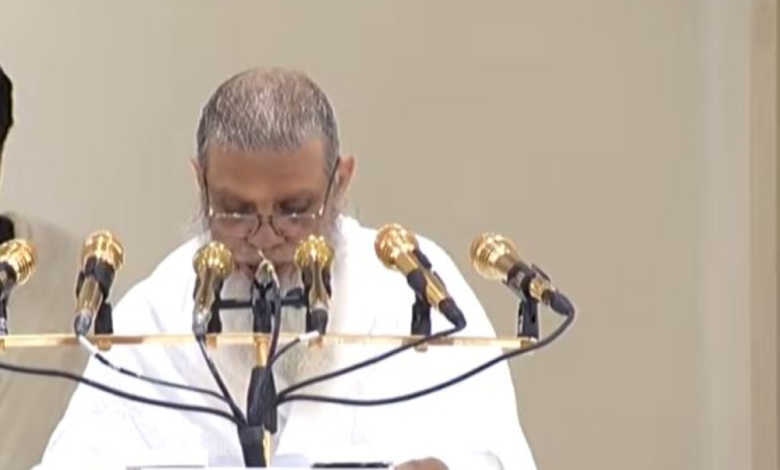

في أجواء إيمانية مهيبة، ألقى فضيلة الشيخ الدكتور علي بن عبدالرحمن الحذيفي، إمام وخطيب المسجد النبوي الشريف، خطبة يوم عرفة لعام 1445هـ من رحاب مسجد نمرة بمشعر عرفات. وقد جاءت هذه الخطبة لتؤكد على الثوابت الإسلامية العظيمة، ولترسم منهجاً واضحاً لضيوف الرحمن في أداء مناسكهم بكل طمأنينة وسكينة بعيداً عن أي مشتتات دنيوية.
لا شعارات سياسية في الحج: دعوة للوحدة والخضوع لله
من أبرز المحاور التي ركز عليها فضيلته في خطبته التاريخية هو تجريد الحج من أي شوائب. فقد أكد الشيخ الحذيفي بعبارات حاسمة قائلاً: “في الحج لا شعارات سياسية أو نداءات حزبية بل خضوع لله واتباع لنبيه صلى الله عليه وسلم وطهارة في الظاهر والباطن”. وتكتسب هذه الرسالة أهمية بالغة على المستويين الإقليمي والدولي، حيث يمثل الحج أكبر تجمع بشري سنوي في العالم. إن إبعاد مناسك الحج عن التجاذبات السياسية والصراعات الحزبية يضمن أمن وسلامة ملايين الحجاج، ويعزز من وحدة الأمة الإسلامية التي تجتمع تحت راية التوحيد، متجاوزة كافة الفروق العرقية والسياسية والجغرافية.
السياق التاريخي والديني لخطبة عرفة ومسجد نمرة
يحمل يوم عرفة مكانة عظيمة في قلوب المسلمين، فهو الركن الأعظم للحج، مصداقاً لقول النبي محمد صلى الله عليه وسلم: “الحج عرفة”. ويقف الحجاج في هذا اليوم المشهود على صعيد عرفات الطاهر، مقتدين بسنة المصطفى الذي ألقى خطبة الوداع في هذا الموضع، مؤسساً لمبادئ المساواة وحقوق الإنسان في الإسلام. وفي هذا السياق، يكتسب مسجد نمرة أهميته التاريخية، حيث بُني في الموضع الذي خطب فيه النبي، ويشهد سنوياً توافد مئات الآلاف من الحجاج للاستماع إلى الخطبة وأداء صلاتي الظهر والعصر جمعاً وقصراً.
تقوى الله والتوحيد: جوهر الاستعداد للآخرة
وفي سياق توجيه النصح والإرشاد، وجه الشيخ الحذيفي نداءه لجموع المسلمين قائلاً: “أيها الناس عليكم بتقوى الله فبها نجاة العبد في آخرته”. وتابع فضيلته موضحاً طريق النجاة: “من تقوى الله الاستعداد ليوم القيامة بفعل الطاعات وترك المعاصي والسيئات.. إن أعظم استعداد للآخرة يكون بالتوحيد وعبادة الله وحده وترك دعاء غيره”. كما أضاف أن الحجاج قدموا من كل فج عميق لأداء النسك إرضاءً لله تعالى وطلباً لثوابه، يعظمون البيت العتيق والمشاعر المقدسة.
جهود المملكة في تيسير نفرة الحجاج وإدارة الحشود
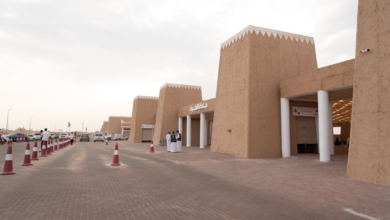
ومنذ ساعات الصباح الأولى، توافدت جموع الحجاج إلى مسجد نمرة في مشعر عرفات وسط أجواء تحفها السكينة. وقد شهد المسجد وساحاته انسيابية عالية في حركة الحجاج، وهو ما يعكس النجاح الكبير للخطط المحكمة التي وضعتها حكومة المملكة العربية السعودية. بفضل المتابعة الميدانية للجهات المختصة، تم تسخير كافة الإمكانات التنظيمية والخدمية لضمان راحة ضيوف الرحمن. وشملت هذه الجهود توفير خدمات الإرشاد، وأنظمة التبريد المتطورة للوقاية من الإجهاد الحراري، وتوزيع المياه، بالإضافة إلى الرعاية الصحية والإسعافية المنتشرة في كل أرجاء المشعر. يذكر أن الهيئة العامة للعناية بشؤون المسجد الحرام والمسجد النبوي كانت قد أعلنت مسبقاً عن تكليف الشيخ الحذيفي لإلقاء هذه الخطبة المباركة.