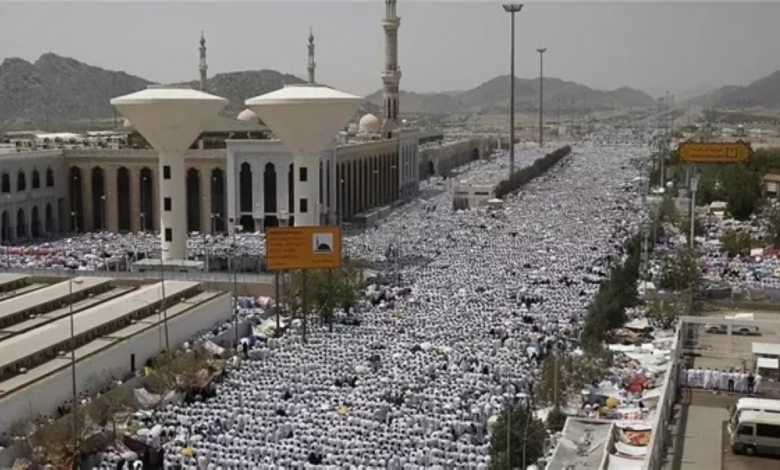

تستعد المملكة العربية السعودية لتسجيل إنجاز جديد في خدمة ضيوف الرحمن، حيث أعلنت الهيئة العامة للعناية بشؤون المسجد الحرام والمسجد النبوي عن مشروع ضخم يستهدف ترجمة خطبة عرفة لهذا العام إلى 50 لغة عالمية. يهدف هذا المشروع الرائد إلى إيصال رسالة الإسلام السمحاء ومضامين الخطبة السامية إلى مختلف الشعوب والأعراق بلغاتهم الأم، مما يعكس حرص القيادة الرشيدة على تقديم أرقى الخدمات للحجاج ومسلمي العالم.
تغطية جغرافية واسعة بـ 50 لغة
في خطوة تعكس عالمية الرسالة الإسلامية، تم توزيع اللغات الخمسين لتشمل مختلف قارات العالم. وقد خصصت الهيئة 25 لغة لقارة آسيا التي تضم الكثافة الأكبر من المسلمين، و12 لغة لقارة أوروبا، بالإضافة إلى 13 لغة لقارة إفريقيا. هذا التنوع اللغوي يضمن وصول معاني خطبة يوم عرفة إلى ملايين المسلمين حول العالم، مما يسهم بشكل مباشر في إثراء التجربة الدينية للقاصدين والزائرين والمتابعين عبر الشاشات في شتى بقاع الأرض.
السياق التاريخي لمشروع خادم الحرمين للترجمة
لم يأتِ هذا الإنجاز من فراغ، بل هو امتداد وتطور طبيعي لـ “مشروع خادم الحرمين الشريفين للترجمة الفورية لخطبة يوم عرفة وخطب الحرمين الشريفين”. بدأ المشروع قبل عدة سنوات بعدد محدود من اللغات (5 لغات في بداياته عام 2018)، وتطور تدريجياً عاماً بعد عام بفضل الدعم السخي من القيادة السعودية، ليصل اليوم إلى 50 لغة. تكمن أهمية هذا الحدث في تأثيره الإقليمي والدولي، حيث يعزز التواصل الحضاري، وينشر قيم التسامح والوسطية والاعتدال التي يحث عليها الدين الإسلامي، ويواجه خطابات التطرف من خلال إيصال المعاني الصحيحة للإسلام من أطهر بقاع الأرض.
أحدث التقنيات الرقمية في خدمة الحجاج
على الجانب الهندسي والتقني، أكملت الهيئة كافة الترتيبات التشغيلية لضمان نجاح البث. شملت التجهيزات التحقق من أنظمة البث والبرامج المحدثة، وتهيئة كبائن الغرف العازلة للمترجمين، وتجهيز مكاتب الترجمة الفورية بأحدث المعدات الصوتية. كل ذلك لضمان تقديم بث عالي الجودة وفق أعلى المعايير التقنية والتشغيلية العالمية.
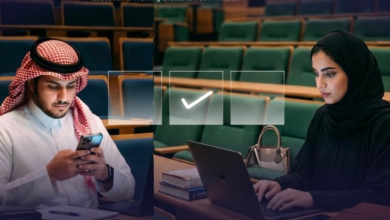
ولمواكبة التحول الرقمي، عززت الهيئة منظومة الوصول إلى خدمات الترجمة من خلال التوسع في استخدام رموز الاستجابة السريعة (QR codes). تم توزيع هذه الرموز ميدانياً بشكل واسع عبر شاشات المرافق، حافلات النقل، وفنادق الحجاج، مما يسهل على الحاج الاستماع للترجمة الصوتية أو قراءة الترجمة النصية عبر هاتفه الذكي بكل يسر وسهولة.
مواكبة مستهدفات رؤية المملكة 2030
يأتي هذا التطور التقني واللغوي الهائل امتداداً للعناية الكريمة التي توليها القيادة الرشيدة -أيدها الله- للحرمين الشريفين وقاصديهما. كما أنه يجسد تسخير أحدث التقنيات الرقمية والذكاء الاصطناعي بما يواكب مستهدفات رؤية المملكة 2030، والتي تضع في صميم أولوياتها الارتقاء بالخدمات المقدمة لضيوف الرحمن، وتسهيل أداء مناسكهم، وتعزيز مكانة المملكة العربية السعودية كقلب نابض للعالم الإسلامي ورائدة في خدمة الإنسانية.
إضافة إلى ذلك، سيتم بث الخطبة المترجمة عبر المنصات الرقمية الحكومية، واستهداف وسائل الإعلام الدولية بالتنسيق مع وزارة الإعلام، لضمان أوسع انتشار ممكن لهذه الرسالة العظيمة في يوم الحج الأكبر.