The Ministry of Islamic Affairs is organizing awareness programs for pilgrims in several languages for the 1447 season

As part of its ongoing efforts to serve pilgrims, the Ministry of Islamic Affairs, Dawah and Guidance, represented by the General Secretariat for Islamic Awareness in Hajj, Umrah and Visitation, has launched a comprehensive package of outreach programs designed to educate Umrah pilgrims during the current Umrah season of 1447 AH. This initiative reinforces the Kingdom of Saudi Arabia's leading role in caring for visitors to the Two Holy Mosques and facilitating their performance of religious rites.
Details of outreach programs and educational lessons
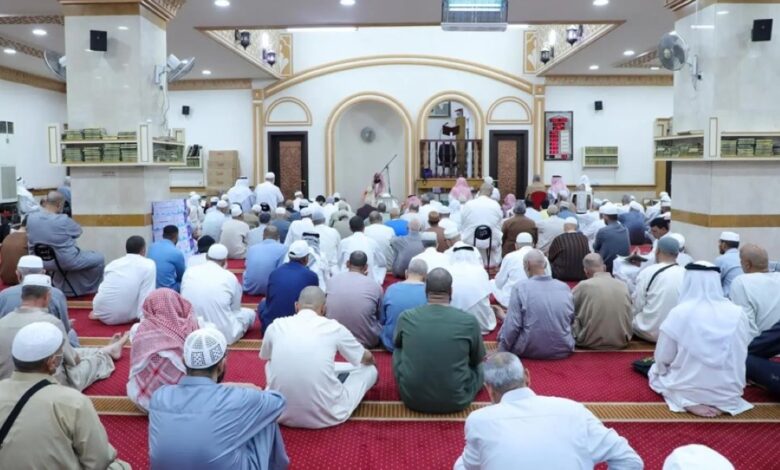
The central area and the mosques surrounding the Grand Mosque intense activity, with a series of daily religious lessons, sermons, and lectures. These activities aimed to educate pilgrims on the correct procedures for performing Hajj rituals.
These programs are implemented by a distinguished elite of official preachers from the Ministry, supported by a team of qualified translators in several international languages, to ensure that the awareness message reaches the various nationalities of pilgrims, thus removing language barriers and contributing to a deeper understanding of the objectives of Sharia.
Awareness themes and strategic objectives
The outreach plan includes a number of key themes that cover all the needs of the pilgrim, most notably:
- Explanation of the rituals: A step-by-step explanation of the Umrah steps to avoid common mistakes.
- Doctrine and Monotheism: Explaining the issues of pure doctrine and strengthening the aspect of faith.
- Moderation and centrism: Establishing the concepts of tolerance and rejecting extremism and fanaticism, and promoting intellectual security.
- Glorifying the Holy City: Reminding people of the sanctity of Mecca and the proper etiquette for being in it.
General context and importance of the event
These programs are particularly important given the continuous increase in the number of Umrah pilgrims arriving from all corners of the globe, in line with the goals of the Kingdom's Vision 2030 , which seeks to increase the capacity to receive pilgrims and enrich their religious and cultural experience. Providing awareness in multiple languages is a fundamental pillar for ensuring the performance of religious rites with ease and convenience, as many non-Arabic speaking visitors face challenges in understanding the nuances of Islamic law.
Historically, since its founding, the Kingdom has consistently dedicated all its human and technological resources to serving pilgrims performing Hajj and Umrah. These efforts extend beyond organizational and logistical aspects, placing paramount importance on guidance and counseling to ensure pilgrims return to their countries enriched with beneficial knowledge and a positive image of moderate Islam.
The programs also include a review of the Kingdom’s tremendous efforts in expanding the Two Holy Mosques and preparing the holy sites, in addition to allocating times to answer pilgrims’ legitimate inquiries directly, which provides reassurance to visitors and makes their spiritual journey more spiritual and serene.