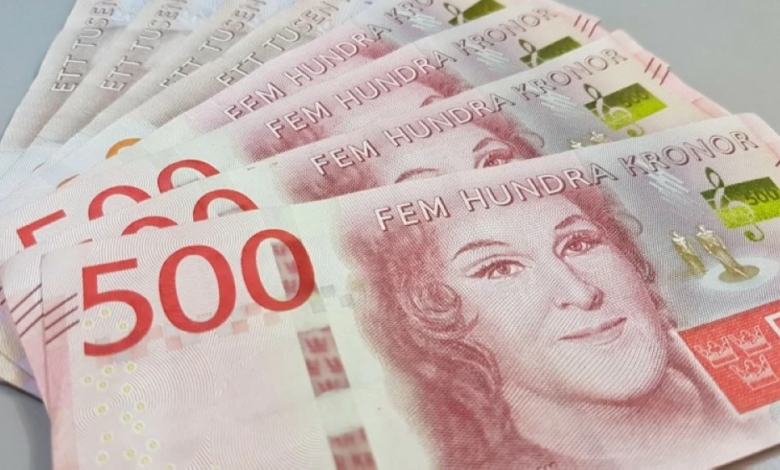

عاد الجدل الاقتصادي والسياسي ليحتدم من جديد في أروقة العاصمة السويدية ستوكهولم حول قضية كانت تعتبر محسومة منذ عقدين: هل حان الوقت لتتخلى السويد عن عملتها الوطنية «الكرونة» وتنضم رسمياً إلى منطقة «اليورو»؟ يأتي هذا النقاش المتجدد مدفوعاً بمتغيرات جيوسياسية واقتصادية عاصفة أعادت تشكيل القارة الأوروبية.
خلفية تاريخية: من رفض 2003 إلى واقع اليوم
لفهم عمق هذا التحول، يجب العودة إلى عام 2003، حين صوت السويديون بأغلبية واضحة في استفتاء شعبي لصالح الاحتفاظ بالكرونة ورفض العملة الأوروبية الموحدة. في ذلك الوقت، كان الاقتصاد السويدي يتمتع بمرونة عالية، وكان الاعتقاد السائد أن الاستقلالية النقدية تمنح البنك المركزي السويدي قدرة أكبر على المناورة في الأزمات. ومع ذلك، فإن المشهد اليوم يختلف جذرياً؛ حيث تآكلت قيمة الكرونة السويدية بشكل ملحوظ أمام اليورو والدولار، مما أدى إلى ارتفاع تكلفة الواردات وزيادة الضغوط التضخمية على المواطنين.
الدوافع الاقتصادية: نهاية أسطورة الاستقلالية النقدية
كشف تقرير حديث للخبير الاقتصادي البارز «لارس كالمفورس»، الذي كان سابقاً من المشككين في جدوى اليورو، عن تغير جذري في المعطيات. يشير التقرير إلى أن الدورة الاقتصادية للسويد أصبحت متزامنة بشكل شبه كامل مع منطقة اليورو، مما يعني أن «الاستقلالية النقدية» لم تعد ميزة حاسمة كما كانت. وأوضح كالمفورس أن الاعتماد التجاري للسويد على التكتل الأوروبي تجاوز حاجز الـ 60%، مما يجعل تقلبات سعر الصرف عبئاً مكلفاً بدلاً من كونه أداة حماية.
مجتمع الأعمال يضغط للتغيير
على صعيد قطاع المال والأعمال، يدعم قادة الشركات الكبرى هذا التوجه بقوة. وقد وصف المستثمر الشهير «كريستر جارديل» الكرونة بأنها عملة «صغيرة ومتقلبة»، مشيراً إلى أن ضعف سيولتها وتذبذبها المستمر يشكلان عائقاً كبيراً أمام الصناعة السويدية ويطردان الاستثمارات الأجنبية المباشرة. ويرى هؤلاء القادة أن الانضمام لليورو سيزيل مخاطر الصرف ويمنح الشركات السويدية استقراراً طويلاً الأمد.
البعد الأمني وتأثير الناتو
لم يعد النقاش مقتصراً على الاقتصاد فحسب، بل دخلت السياسة والأمن على الخط. تؤكد «سيسيليا رون»، البرلمانية عن الحزب الليبرالي، أن انضمام السويد إلى حلف شمال الأطلسي (الناتو) يمثل خطوة كبيرة، لكنها تظل غير مكتملة دون تكامل نقدي. وترى الأوساط السياسية أن تبني اليورو سيمنح السويد مقعداً دائماً ومؤثراً على طاولة صنع القرار المالي الأوروبي، مما يعزز من أمنها الاقتصادي في مواجهة صراعات القوى العظمى، ويحمي اقتصادها الصغير من الهزات العالمية.