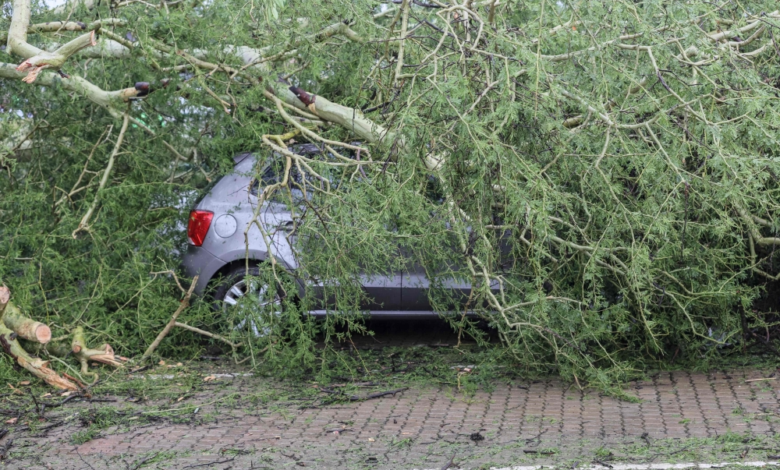

Australian emergency services issued stark warnings on Friday to residents in the country's eastern regions, urging them to take maximum precautions in preparation for a double wave of natural disasters: sudden torrential rains and dangerous bushfires. This warning follows horrific incidents in Victoria, where flash floods swept away several cars and threw them into the sea, highlighting the extreme weather conditions affecting the continent.
Details of the disaster and the devastating floods
Heavy rains on Thursday triggered flash floods that swept across large areas of eastern Victoria. The state faces a double challenge, as firefighters continue to battle ten major bushfires burning in the same region. Local media and videos circulating online captured terrifying scenes of cars being tossed about in muddy waters by the floodwaters from the Wye River southwest of Melbourne, which then flowed into the ocean.
In the context of weather monitoring, the state's meteorological authority reported record-breaking rainfall, with one observation point recording 186 millimeters in just 24 hours up to Friday morning. Most of this rainfall was concentrated on Thursday, leading to soil saturation and exacerbating the risk of landslides.
Official statements and state of emergency
Tim Wibush, an emergency management official, described the current situation as a series of extreme events, telling reporters, "We've had an extreme heat wave, catastrophic wildfires, and now we're facing massive flash flooding in the southwest of the state." Officials noted that the flash flooding cut off a vital major highway, forcing the evacuation of approximately 300 people who were camping in campgrounds and trailers when the water level rose "with lightning speed." A child was injured and airlifted to a hospital for treatment.
Climate context: Weather fluctuations in Australia
Australia is known for its volatile, continental weather, often experiencing harsh summers that combine severe drought with flash floods. Victoria and the east coast are among the most vulnerable regions, with global warming and climate change increasing the intensity and frequency of these extreme events. The rapid transition from bushfire-fueled heatwaves to deep low-pressure systems that cause flooding places immense strain on infrastructure and emergency response systems.
Expected impacts and logistical challenges
This dual nature of disasters (fire and water) presents a logistical nightmare for rescue teams, as rain and floods impede the movement of firefighting vehicles, while wildfires threaten areas that have not yet received rainfall. Economically and in terms of tourism, these disasters lead to significant material losses, particularly in areas reliant on camping and beach tourism, in addition to the damage inflicted on roads, bridges, and private property, necessitating long-term recovery plans from both federal and local governments.