
تفاصيل اعتراض صاروخين ومسيّرتين إيرانية في البحرين
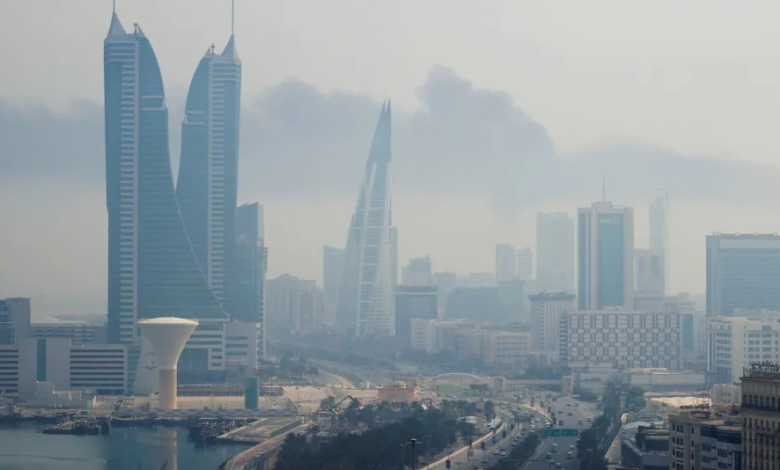
في تطور أمني بارز يعكس حجم التوترات المستمرة في منطقة الشرق الأوسط، أُعلن في مملكة البحرين عن اعتراض صاروخين ومسيّرتين أطلقتها إيران. يأتي هذا الحدث في وقت تشهد فيه المنطقة تصعيداً ملحوظاً، مما يثير تساؤلات عديدة حول مستقبل الأمن الإقليمي وحركة الملاحة في الخليج العربي. يمثل هذا الاعتراض خطوة حاسمة في إطار حماية الأجواء والمياه الإقليمية من أي تهديدات خارجية قد تمس بسيادة الدول أو تعرض حياة المدنيين والمصالح الحيوية للخطر.
السياق العام والخلفية التاريخية للتوترات الإقليمية
تاريخياً، تعتبر منطقة الخليج العربي واحدة من أهم الممرات المائية والاستراتيجية في العالم، حيث يمر عبرها جزء كبير من إمدادات الطاقة العالمية. على مدار العقود الماضية، شهدت المنطقة توترات متقطعة بين الدول الخليجية والمجتمع الدولي من جهة، وإيران من جهة أخرى. لطالما أثارت البرامج الصاروخية الإيرانية وتطويرها للطائرات بدون طيار (المسيّرات) قلقاً دولياً وإقليمياً واسعاً. وقد تكررت الحوادث التي شملت إطلاق صواريخ أو تسيير طائرات بدون طيار في مسارات تهدد الملاحة الدولية أو تقترب من المجالات الجوية لدول الجوار، مما دفع دول المنطقة إلى تعزيز منظوماتها الدفاعية وتكثيف التعاون الأمني والعسكري مع الحلفاء الدوليين لضمان استقرار المنطقة.
أهمية الحدث وتأثيره المتوقع محلياً وإقليمياً
يحمل اعتراض الصاروخين والمسيّرتين دلالات بالغة الأهمية على عدة أصعدة. محلياً، يؤكد هذا التطور على الجاهزية العالية للدفاعات الجوية واليقظة التامة للقوات المسلحة في مملكة البحرين، وقدرتها على التعامل الفوري مع أي اختراقات أو تهديدات جوية. إقليمياً، يبعث هذا الحدث برسالة واضحة مفادها أن دول الخليج العربي تمتلك القدرات اللازمة لحماية أمنها القومي، وأن التنسيق الأمني المشترك يشكل درعاً حصيناً ضد أي محاولات لزعزعة الاستقرار وإثارة الفوضى.
التداعيات الدولية وتأثيرها على الأسواق العالمية
أما على الصعيد الدولي، فإن هذا الحدث يكتسب أهمية مضاعفة نظراً لوجود مقر الأسطول الخامس الأمريكي في البحرين، والذي يلعب دوراً محورياً في تأمين الملاحة البحرية في الخليج العربي، ومضيق هرمز، والبحر الأحمر. أي تهديد أمني في هذه المنطقة الحساسة ينعكس بشكل مباشر على الأسواق العالمية، خاصة أسواق النفط والطاقة. لذلك، فإن نجاح عملية الاعتراض يساهم في طمأنة المجتمع الدولي والأسواق العالمية بأن هناك إجراءات فعالة تتخذ لضمان استمرار تدفق التجارة العالمية بأمان ودون انقطاع.
الموقف البحريني والجهود الدولية لحفظ الاستقرار
في ظل هذه التطورات، تتزايد الدعوات الدولية لضرورة التزام جميع الأطراف بالقوانين والأعراف الدولية التي تحظر انتهاك سيادة الدول وتهديد أمنها. وتستمر مملكة البحرين، بالتعاون مع شركائها الإقليميين والدوليين، في دعم كافة الجهود الرامية إلى إرساء دعائم السلام والاستقرار في المنطقة، مؤكدة على أهمية الحوار والحلول الدبلوماسية لتجنيب المنطقة المزيد من التصعيد والتوترات التي لا تخدم مصالح أي طرف وتؤثر سلباً على مسيرة التنمية والازدهار لشعوب المنطقة.