
بدء تطبيق قرار منع المركبات غير المصرح لها
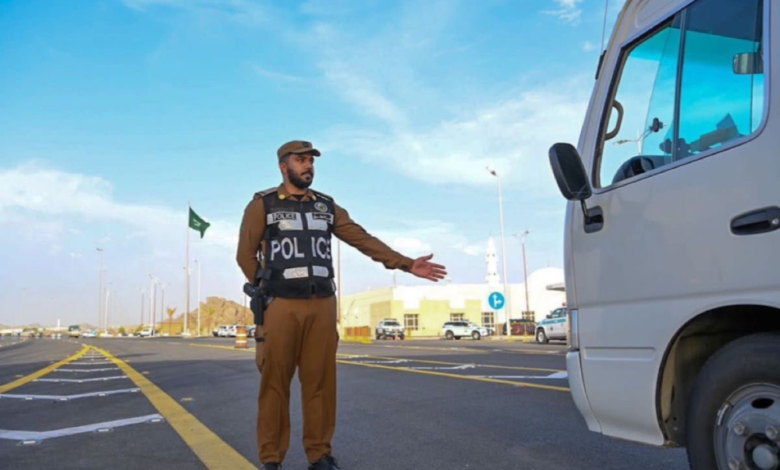
في خطوة استراتيجية تهدف إلى ضمان أمن وسلامة ضيوف الرحمن، أعلنت قوات أمن الحج لشؤون المرور في المملكة العربية السعودية عن بدء التنفيذ الفعلي لقرار منع دخول المركبات غير المصرح لها إلى المشاعر المقدسة. يبدأ سريان هذا القرار الحيوي اعتباراً من الساعة الثانية عشرة (12:00) صباحاً من اليوم الخامس من شهر ذي الحجة، ويستمر حتى نهاية اليوم الثالث عشر من الشهر ذاته لعام 1447هـ. تأتي هذه الإجراءات الصارمة ضمن الخطة الشاملة التي تعتمدها وزارة الداخلية السعودية لإدارة الحشود وتنظيم حركة المرور خلال واحد من أكبر التجمعات البشرية في العالم.
جهود وزارة الداخلية في إدارة الحشود
ويأتي هذا الإجراء التنظيمي ضمن الجهود الحثيثة والمستمرة لوزارة الداخلية السعودية الرامية إلى تحقيق أعلى درجات الانسيابية في الحركة المرورية داخل المشاعر المقدسة، والتي تشمل منى ومزدلفة وعرفات. إن منع المركبات غير المصرح لها يسهم بشكل مباشر في تسهيل تنقل ضيوف الرحمن بين المشاعر، ويمنع التكدس المروري الذي قد يعيق حركة المشاة أو يؤخر وصول سيارات الإسعاف وخدمات الطوارئ. وتعتمد خطط إدارة وتنظيم الحشود خلال موسم الحج على دراسات ميدانية دقيقة وتقنيات متطورة لضمان سلامة كل حاج.
الخلفية التاريخية لتنظيم المرور في الحج
تاريخياً، تولي المملكة العربية السعودية اهتماماً بالغاً بتطوير البنية التحتية والأنظمة المرورية في مكة المكرمة والمشاعر المقدسة. على مر العقود، تطورت خطط إدارة الحج لتواكب الزيادة المستمرة في أعداد الحجاج القادمين من شتى بقاع الأرض. وقد أثبتت التجارب السابقة أن تقنين دخول المركبات وحصره على الحافلات المخصصة لنقل الحجاج ومركبات الخدمات والطوارئ، هو أحد أنجح الحلول الاستراتيجية للحد من الاختناقات المرورية وتقليل الانبعاثات الكربونية، مما يوفر بيئة صحية وآمنة للحجاج لأداء مناسكهم بكل يسر وسهولة.
التأثير المحلي والإقليمي والدولي
على الصعيد المحلي، يعكس هذا القرار الجاهزية التامة للقطاعات الأمنية والخدمية في المملكة، ويبرز كفاءة الكوادر الوطنية في إدارة الأزمات وتوجيه الحشود المليونية. أما على الصعيدين الإقليمي والدولي، فإن نجاح هذه الإجراءات يبعث برسالة طمأنينة إلى العالم الإسلامي بأسره، مؤكداً قدرة المملكة على توفير بيئة آمنة ومستقرة للحجاج. إن إدارة ملايين البشر في مساحة جغرافية محدودة وخلال فترة زمنية قصيرة تعد معجزة لوجستية تحظى بإشادة دولية واسعة، وتؤكد ريادة السعودية في مجال إدارة الحشود.
دعوة للتعاون والالتزام
في الختام، تهيب الجهات الأمنية بجميع المواطنين والمقيمين والزوار ضرورة الالتزام التام بالتعليمات المرورية الصادرة، والتعاون مع رجال الأمن المتواجدين في الميدان. إن نجاح موسم الحج هو مسؤولية مشتركة تتطلب تضافر جهود الجميع، لضمان أن يؤدي ضيوف الرحمن مناسكهم في أجواء مفعمة بالروحانية والسكينة والأمان، تحقيقاً لتطلعات القيادة الرشيدة التي تسخر كافة إمكاناتها لخدمة الحرمين الشريفين وقاصديهما.