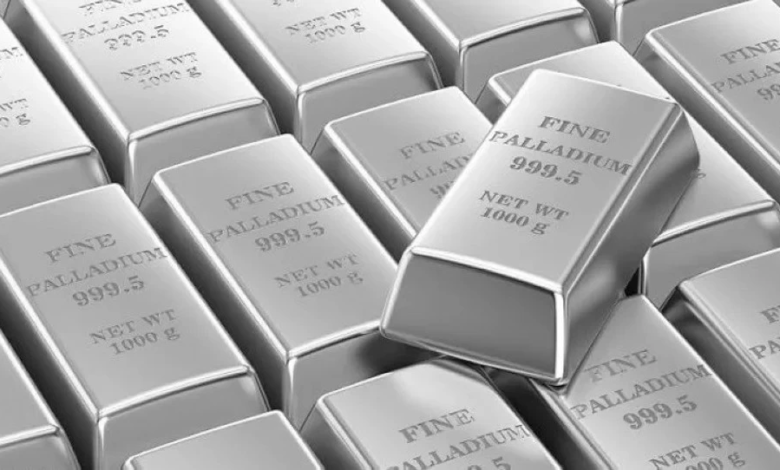

Precious metals markets recorded exceptional performance at the end of last week's trading, with palladium prices surging significantly and achieving strong gains. This surge was driven by a combination of economic and political factors that boosted the appeal of non-yielding assets. The strong rally occurred amidst volatile trading due to the holiday season and growing expectations of significant changes in US monetary policy.
Record prices for palladium and platinum
In trading details, March palladium futures surged 12.73% to settle at $2,037 an ounce , after hitting a record high of $2,046 during the session. Palladium wasn't alone in this rally; January platinum futures followed suit, climbing 9% to $2,450 an ounce , bringing their weekly gains to approximately 21.43%. This reflects a strong appetite for risk in the commodities markets.
Interest rate forecasts and the impact of US policy
Analysts attribute this positive momentum primarily to growing expectations that the Federal Reserve (the US central bank) will move toward an accommodative monetary policy. Current estimates suggest the possibility of two interest rate cuts during 2026. These expectations are gaining further traction amid political speculation that US President Donald Trump may nominate a new central bank chair who adopts a more dovish approach, putting pressure on the dollar and driving investors toward metals as a safe haven and store of value.
Economic background and importance of industrial minerals
Economically, the rise in palladium and platinum prices is closely linked to a weaker dollar and lower bond yields, as dollar-denominated metals become less expensive for holders of other currencies when the US currency weakens. Furthermore, palladium and platinum are vital components in the industrial sector, particularly in the automotive industry for the production of catalytic converters that reduce harmful emissions. With the global shift towards clean energy and stricter environmental standards, industrial demand remains a long-term support for prices, although current price movements are largely driven by financial speculation.
The impact of the holiday season on liquidity
It is worth noting that the timing of this surge coincided with the holiday season, a period typically characterized by low trading volumes and reduced liquidity in financial markets. It is well-established in market literature that low liquidity can exacerbate price movements and increase volatility, as relatively large buy or sell orders can cause significant price changes. This has contributed to amplifying the gains achieved by palladium and platinum in recent trading sessions.