The closure of the Arida border crossing between Lebanon and Syria: details and reasons

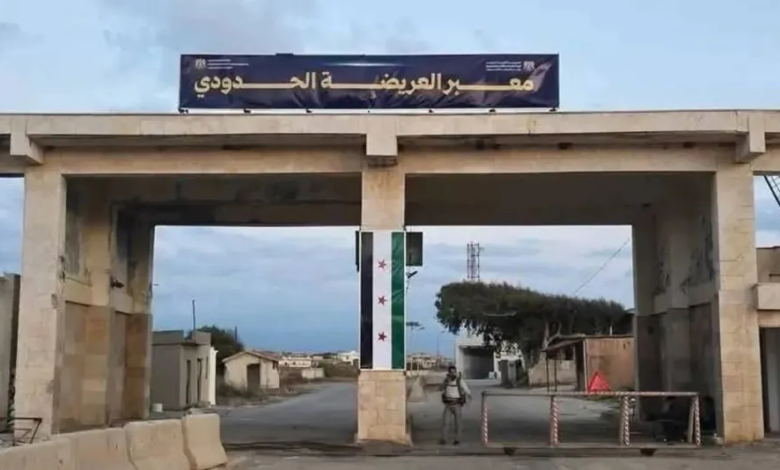
Lebanese authorities have officially announced the temporary closure of the Arida border crossing, which connects northern Lebanon with Syria's Tartus province. This move has garnered widespread attention due to the strategic and vital importance of this land crossing. The decision comes at a time of heightened anticipation in the region, raising questions about the duration of the closure and its direct impact on movement and trade between the two countries.
The strategic importance of the Arida crossing
The Arida border crossing is one of the most important official border crossings between Lebanon and Syria, located in the Akkar Governorate of northern Lebanon. Its geographical significance lies in being the only coastal crossing connecting the Lebanese city of Tripoli with the Syrian city of Tartus, making it a vital artery for passenger and freight traffic. Unlike the Masnaa crossing, which connects the Bekaa Valley to Damascus, the Arida crossing is distinguished by its coastal location, making it a preferred option for commercial trucks heading towards the Syrian coast and from there to Türkiye or the Syrian interior, especially during the winter months when mountain roads at other crossings may become impassable.
Economic context and the impact of the lockdown
Lebanon is facing a severe economic crisis that makes its land borders a vital lifeline for the national economy. Lebanese exports, particularly agricultural products such as fruits and vegetables, rely heavily on border crossings with Syria to reach Arab markets in Jordan, the Gulf states, and Iraq. Any disruption to these crossings, even a temporary one, could lead to truck congestion and the spoilage of perishable goods, causing significant losses for farmers and exporters. Furthermore, residents of the border regions in Akkar depend heavily on cross-border trade for their livelihoods, making any closures have direct local social and economic repercussions.
Historical and security background of the Lebanese-Syrian border crossings
Historically, the Lebanese-Syrian border has been a pivotal point in relations between the two countries, with several official crossings (Masnaa, Arida, Aboudieh, Qaa, and Jousieh) alongside numerous unofficial crossings that the Lebanese state has long sought to control. Since the outbreak of the Syrian crisis in 2011, these crossings have been under immense pressure, sometimes due to the influx of refugees, and at other times due to security challenges and attempts to curb smuggling operations in both directions. Temporary closures are usually implemented either for logistical reasons related to maintenance or for security reasons aimed at protecting travelers and staff amidst escalating regional tensions. This reflects the sensitivity of the border situation and the ongoing need for security and administrative coordination to ensure the safety and sustainability of operations at these vital facilities.