China and Russia 2026: Strengthening the strategic partnership and new prospects

During his meeting with Russian Security Council Secretary Sergei Shoigu in Beijing, Chinese Foreign Minister Wang Yi affirmed that bilateral relations between the two countries are heading towards "new horizons" this year, laying the foundation for an advanced stage of cooperation in 2026. This meeting comes within the framework of strengthening the ongoing "strategic communication" between the two superpowers, with both sides emphasizing the importance of joint coordination to address growing global challenges.
Depth of the strategic partnership and historical background
Sino-Russian relations have witnessed remarkable and unprecedented development in recent years, particularly after the declaration of a "boundless partnership" just before the outbreak of war in Ukraine in early 2022. This relationship has transformed from mere diplomatic cooperation into a robust economic and political alliance, with China becoming Russia's most important trading partner in light of Western sanctions imposed on Moscow. This rapprochement reflects a shared desire to reshape the international order, with Wang explaining to his guest the necessity of working to preserve multilateralism and promote a "balanced and orderly multipolar world"—a term often used by Beijing and Moscow to refer to reducing Western and American dominance in international decision-making.
Geopolitical dimensions and the impact of the alliance
This growing cooperation carries profound geopolitical implications that extend beyond bilateral ties. Coordination between two permanent members of the Security Council grants them significant weight in international forums. Through deepening strategic coordination, Beijing and Moscow seek to bolster their roles in global blocs such as BRICS and the Shanghai Cooperation Organisation, directly impacting regional and international balances of power. Wang affirmed Beijing's readiness to work with Moscow to explore new avenues, suggesting the potential for expanding cooperation to include technology, energy, and cybersecurity in the near future.
The Ukrainian crisis and peace efforts
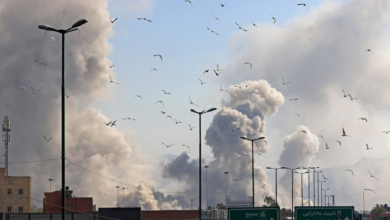
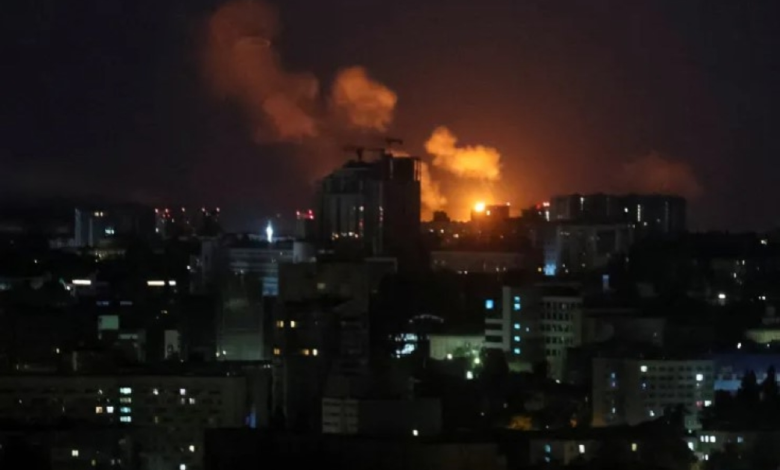
Shoigu's visit, who was defense minister when Russia launched its invasion of Ukraine, coincides with a flurry of diplomatic activity aimed at ending the four-year-long conflict. In this context, Ukrainian President Volodymyr Zelensky announced a new round of trilateral talks in Abu Dhabi, reflecting a shift in the course of negotiations. Since the beginning of the crisis, China has maintained its officially neutral stance, affirming that it will not provide military support to either side, despite ongoing Western criticism of its close ties with the Kremlin. Beijing remains a pivotal player, and observers believe its economic and political influence with Moscow could be a decisive factor in any future resolution to the crisis.