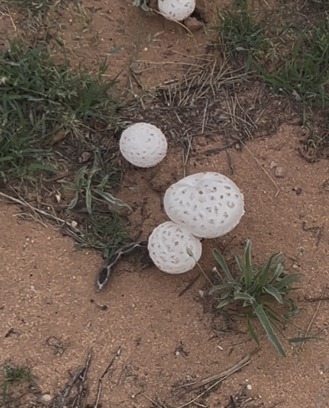
Warning about poisonous wild mushrooms in Saudi Arabia after the rains | Health and Beauty

The National Center for Vegetation Development and Combating Desertification in Saudi Arabia issued an important warning to citizens and residents, emphasizing the potential health risks of consuming certain types of wild mushrooms that grow abundantly after the rainy season. This warning came after the results of detailed laboratory tests conducted on samples of mushrooms recently observed in various regions of the Kingdom.
Identifying mushrooms and their risks
The center's official spokesperson, Abdul Aziz Abu Humaid, explained that laboratory tests revealed the observed species to be scientifically known as the umbrella mushroom (Macrolepiota procera). He noted that this species is known for its appearance and proliferation in areas of vegetation after rainfall, which tempts many to collect and consume it. However, Abu Humaid emphasized that some of the mushroom's outward characteristics, such as scales or bumps on its cap, could be an initial indicator of the presence of toxic compounds. He stressed that a definitive judgment on the suitability of any wild mushroom for human consumption can only be made through specialized laboratory testing, given the significant physical similarity between poisonous and edible species, making differentiation with the naked eye extremely difficult and dangerous.
The cultural and environmental context of mushroom harvesting
Historically, the rainy season in the Kingdom and many countries in the region has been associated with the emergence of desert fungi that form part of the local heritage, most notably truffles, considered a luxury and seasonal delicacy. This tradition motivates many enthusiasts and hikers to search for and collect these fungi. However, environmental changes and the appearance of unfamiliar fungal species increase the importance of awareness regarding potential risks. While fungal growth is a natural part of the ecosystem's life cycle, playing a vital role in the decomposition of organic matter, this does not mean that all fungi are safe for consumption.
The importance and expected impact of the warning
This warning carries significant local importance, as it aims to protect public health and prevent potentially serious cases of food poisoning that can lead to severe health complications, sometimes even kidney or liver failure. Abu Humaid urged the public, especially in areas that have experienced heavy rainfall, such as the Qassim region, to exercise extreme caution and avoid consuming any wild mushrooms of unknown origin or using them as livestock feed, due to the potential harm they can cause to both humans and animals. Regionally, this announcement serves as an awareness message to neighboring countries that share similar climatic and environmental conditions, contributing to raising public awareness of the dangers of wild mushrooms. The center commended the efforts of community members in reporting these cases, emphasizing that awareness and scientific knowledge are the first line of defense in ensuring everyone's safety.