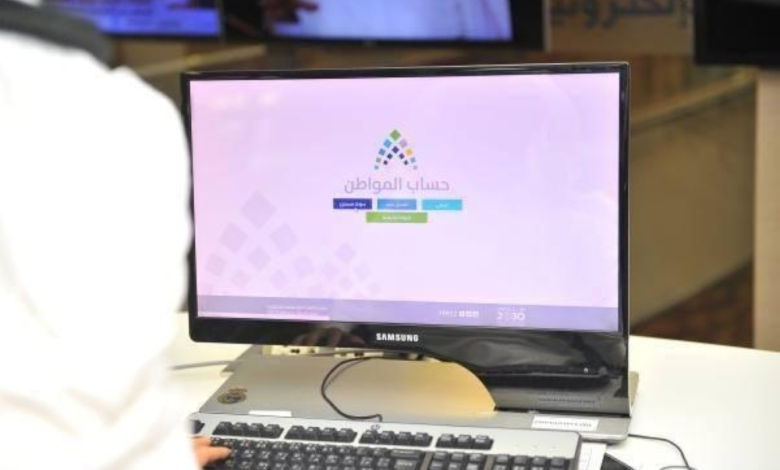

أعلن برنامج “حساب المواطن” عن إيداع 3 مليارات ريال سعودي في حسابات المستفيدين البنكية كدعم مخصص لشهر مايو، وذلك ضمن الدفعة رقم (102) من البرنامج. وأوضح البرنامج أن أكثر من 9.8 مليون مستفيد رئيسي وتابع قد استوفوا معايير الاستحقاق لهذه الدفعة، مما يؤكد على استمرارية الدور الحيوي الذي يلعبه البرنامج في دعم الأسر السعودية.
وفي تفاصيل الدفعة، صرّح الأستاذ عبد الله الهاجري، المدير العام للتواصل في برنامج حساب المواطن، بأن إجمالي المبالغ التي تم صرفها للمستفيدين منذ انطلاق البرنامج في ديسمبر 2017 قد تجاوزت 277 مليار ريال سعودي. وأضاف أن دفعة شهر مايو شملت تعويضات بأثر رجعي بلغت قيمتها 2.8 مليار ريال. وأشار إلى أن 71% من المستحقين قد حصلوا على الدعم الكامل، حيث بلغ متوسط دعم الأسرة الواحدة 1470 ريالاً. وتوزع المستفيدون بين أكثر من مليونين رب أسرة، يشكلون ما نسبته 85% من إجمالي المستفيدين، بالإضافة إلى أكثر من 7.4 مليون تابع.
السياق التاريخي وأهداف برنامج حساب المواطن
يُعد برنامج “حساب المواطن” أحد أبرز مبادرات الإصلاح الاقتصادي التي أطلقتها المملكة العربية السعودية ضمن “رؤية 2030”. تم تأسيس البرنامج بهدف رئيسي وهو حماية الأسر السعودية من الآثار المباشرة وغير المباشرة المتوقعة من الإصلاحات الاقتصادية المختلفة، مثل تعديل أسعار منتجات الطاقة والمياه، وتطبيق ضريبة القيمة المضافة. يعمل البرنامج على إعادة توجيه الدعم الحكومي ليكون أكثر كفاءة وعدالة، من خلال تقديمه كنقد مباشر للمواطنين المستحقين، بدلاً من الدعم السلعي الذي كان يستفيد منه الجميع بغض النظر عن مستوى الدخل.
الأهمية الاقتصادية والاجتماعية للدعم
على الصعيد المحلي، يلعب الدعم الشهري الذي يقدمه “حساب المواطن” دوراً محورياً في تعزيز الاستقرار المالي للأسر ذات الدخل المحدود والمتوسط. تساهم هذه المبالغ في زيادة القدرة الشرائية للمواطنين، مما ينعكس إيجاباً على تنشيط الحركة الاقتصادية في الأسواق المحلية. اجتماعياً، يوفر البرنامج شبكة أمان اجتماعي تخفف من الأعباء المعيشية، وتساعد الأسر على تلبية احتياجاتها الأساسية، الأمر الذي يعزز من التماسك الاجتماعي والاستقرار الأسري. وعلى المستوى الإقليمي، تقدم المملكة من خلال هذا البرنامج نموذجاً رائداً في كيفية الموازنة بين متطلبات التحول الاقتصادي وضرورة توفير الحماية الاجتماعية للمواطنين، وهو ما قد يلهم دولاً أخرى في المنطقة لتطبيق برامج مشابهة.