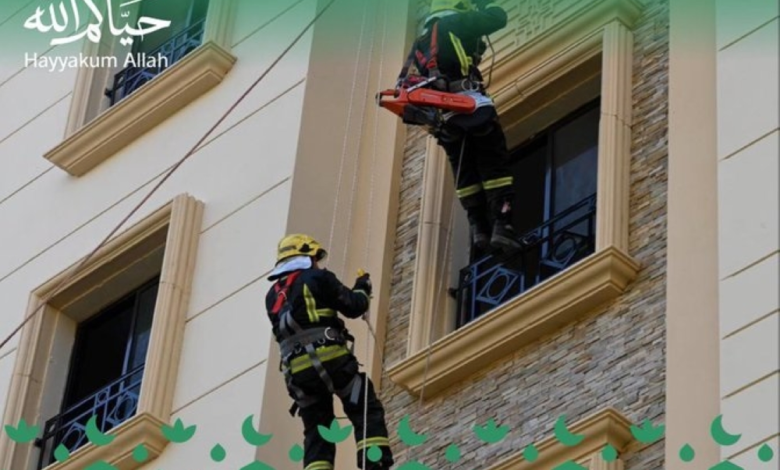

في إطار الاستعدادات المكثفة لموسم حج 1445هـ، نفذت المديرية العامة للدفاع المدني في العاصمة المقدسة، اليوم الأربعاء، فرضية حريق واسعة النطاق في أحد الفنادق الكبرى المخصصة لإسكان الحجاج. تأتي هذه الخطوة ضمن الخطة التشغيلية الشاملة التي تهدف إلى رفع مستوى الجاهزية والوقوف على سرعة استجابة الفرق الميدانية للتعامل مع الحوادث الطارئة، وضمان أعلى معايير السلامة لضيوف الرحمن.
شملت الفرضية، التي تمت بمشاركة عدد من الجهات الحكومية ذات العلاقة مثل هيئة الهلال الأحمر السعودي ووزارة الصحة والقوات الأمنية، سيناريوهات متعددة تحاكي واقع الحوادث المحتملة. وتضمنت العمليات إخلاء النزلاء من الأدوار المتضررة، وإنقاذ المحتجزين، ومكافحة الحريق باستخدام أحدث الآليات والمعدات. كما تم تطبيق إجراءات الفرز الطبي في الموقع لإسعاف المصابين ونقل الحالات الحرجة، بالإضافة إلى تدريبات على طرد الدخان الكثيف وتأمين المبنى بالكامل.
لا تأتي هذه التدريبات من فراغ، بل هي نتاج خبرات متراكمة للمملكة العربية السعودية في إدارة أحد أكبر التجمعات البشرية في العالم. على مر العقود، واجهت مواسم الحج تحديات مختلفة، بما في ذلك حوادث الحرائق التي وقعت في الماضي، والتي دفعت السلطات إلى إعادة تقييم شاملة لمعايير السلامة. وقد أثمر ذلك عن تطوير بنية تحتية متقدمة، مثل استخدام الخيام المقاومة للحريق في المشاعر المقدسة، وتطبيق أنظمة إنذار وإطفاء متطورة في كافة المنشآت، وجعل هذه الفرضيات الدورية جزءاً لا يتجزأ من ثقافة الاستعداد لضمان عدم تكرار المآسي.
تتجاوز أهمية هذه الفرضية حدود التدريب المحلي، لترسل رسالة طمأنة لملايين المسلمين حول العالم الذين ينوون أداء الفريضة. فعلى الصعيد الدولي، تعكس هذه الجهود التزام المملكة الراسخ بدورها كخادمة للحرمين الشريفين، وقدرتها على توفير بيئة آمنة للحجاج. أما إقليمياً ومحلياً، فهي تعزز التنسيق والتكامل بين مختلف القطاعات العاملة في الحج، وتختبر فعالية خطط الطوارئ المشتركة، مما يساهم في بناء منظومة أمان متكاملة قادرة على التعامل مع أي طارئ بكفاءة وفعالية، تحقيقاً لمستهدفات رؤية المملكة 2030 في تحسين تجربة الحاج وسلامته.