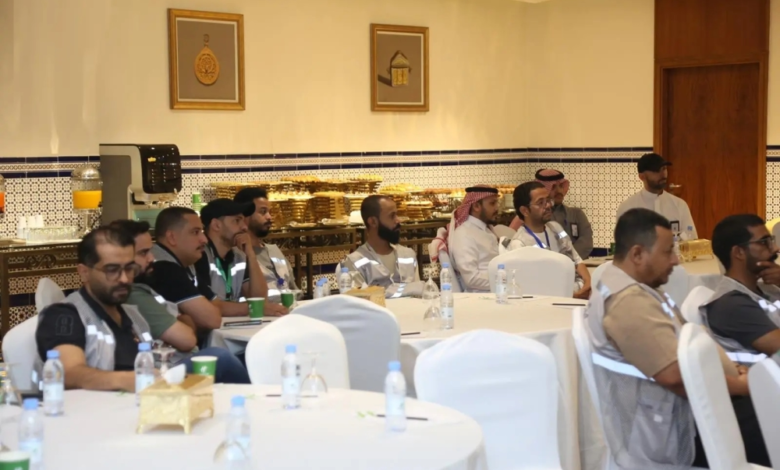

في إطار الاستعدادات المكثفة لموسم الحج، أعلنت المديرية العامة للدفاع المدني عن تنظيم سلسلة من المحاضرات التوعوية الموجهة لمنسوبي الجهات الحكومية والخاصة العاملة في خدمة حجاج بيت الله الحرام، بالإضافة إلى العاملين في مخيمات إسكان الحجاج بالمشاعر المقدسة. تهدف هذه المبادرة الاستباقية إلى رفع مستوى الوعي بإجراءات السلامة الوقائية وتعزيز الجاهزية للتعامل الفوري والفعال مع أي حالة طارئة قد تحدث خلال الموسم.
وركزت المحاضرات على محاور حيوية لضمان أمن وسلامة الحجاج، شملت التدريب العملي على آليات استخدام وسائل الإطفاء الأولية كطفايات الحريق، وشرح مفصل لخطط الإخلاء المنظمة في المخيمات والمنشآت. كما تم استعراض أبرز المخالفات الشائعة التي قد تشكل خطورة على السلامة العامة، مثل التخزين العشوائي للمواد القابلة للاشتعال أو التوصيلات الكهربائية غير الآمنة، مع تقديم إرشادات واضحة حول طرق تجنبها والحد من مسبباتها، بما يضمن توفير بيئة آمنة ومطمئنة لضيوف الرحمن لأداء مناسكهم بيسر وسهولة.
السياق التاريخي لجهود السلامة في الحج
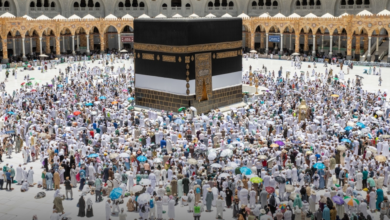
تأتي هذه الجهود ضمن منظومة متكاملة من الخدمات التي تقدمها المملكة العربية السعودية، والتي تطورت بشكل كبير على مر العقود. فإدارة الحشود الهائلة التي تفد إلى المشاعر المقدسة سنويًا تعد تحديًا لوجستيًا وأمنيًا فريدًا من نوعه. وقد استثمرت المملكة بشكل هائل في البنية التحتية وتطوير خطط الطوارئ والسلامة، مستفيدة من الخبرات المتراكمة والتكنولوجيا الحديثة. ويعتبر الدفاع المدني ركيزة أساسية في هذه المنظومة، حيث يعمل على مدار العام على تحديث خططه الوقائية والميدانية لضمان التعامل مع كافة المخاطر المحتملة، من حرائق وتدافع ومخاطر صحية، لضمان سلامة الملايين من الحجاج القادمين من مختلف أنحاء العالم.
أهمية المبادرة وتأثيرها
تكتسب هذه المحاضرات التوعوية أهمية قصوى على الصعيدين المحلي والدولي. محليًا، تساهم في تحقيق أعلى درجات التنسيق والتكامل بين كافة الجهات العاملة في الحج، مما يرفع من كفاءة الاستجابة في حالات الطوارئ. أما دوليًا، فإن نجاح المملكة في تنظيم موسم حج آمن يعزز من مكانتها وريادتها في العالم الإسلامي، ويقدم رسالة طمأنة للمجتمع الدولي بقدرتها على إدارة هذا التجمع الديني الأكبر عالميًا. إن سلامة كل حاج هي أولوية قصوى، وهذه الإجراءات الوقائية تمثل خط الدفاع الأول لضمان عودة ضيوف الرحمن إلى أوطانهم سالمين بعد إتمام فريضتهم.