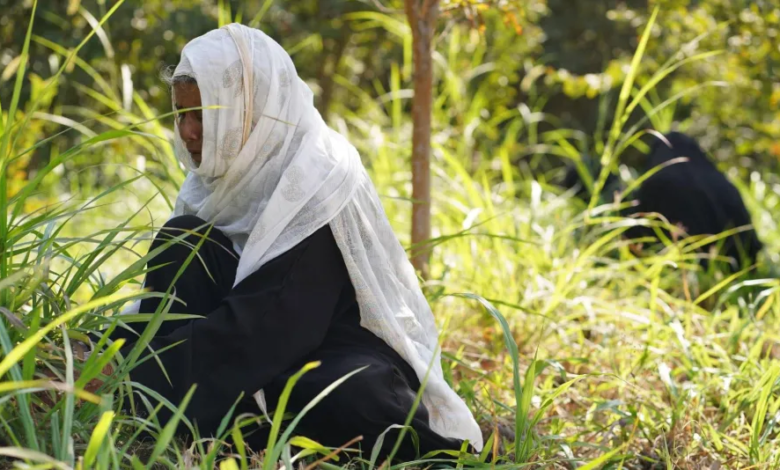

في ظل الأزمة الإنسانية التي تعصف باليمن منذ سنوات، يبرز متغير جديد يزيد من تعقيد المشهد ويفاقم من معاناة الملايين، وهو تغير المناخ. لم تعد التقلبات المناخية مجرد ظاهرة بيئية بعيدة، بل أصبحت واقعاً ملموساً يضرب في صميم الأمن الغذائي، ويزيد من هشاشة الزراعة والغذاء في اليمن، القطاع الذي يعتمد عليه أكثر من ثلثي السكان كمصدر رئيسي للدخل والغذاء.
خلفية الأزمة: من الصراع إلى الجفاف
يعاني اليمن تاريخياً من ندرة الموارد المائية، مما يجعله واحداً من أكثر بلدان العالم جفافاً. وقد أدت سنوات الصراع الطويلة إلى تدمير البنية التحتية الحيوية، بما في ذلك السدود وشبكات الري، مما ترك القطاع الزراعي في حالة يرثى لها. يأتي تغير المناخ ليضيف عبئاً جديداً على هذا الواقع الهش، حيث تشير التقارير الدولية إلى أن اليمن يشهد ارتفاعاً في درجات الحرارة بوتيرة أسرع من المتوسط العالمي، إلى جانب تزايد في وتيرة وشدة الظواهر الجوية المتطرفة مثل السيول الجارفة وموجات الجفاف الطويلة.
هذه الظواهر لا تدمر المحاصيل فحسب، بل تؤدي أيضاً إلى تآكل التربة الخصبة وتلويث مصادر المياه المتبقية، مما يخلق حلقة مفرغة من التدهور البيئي والفقر وانعدام الأمن الغذائي. لقد أصبح المزارعون اليمنيون محاصرين بين مطرقة الصراع وسندان المناخ، يكافحون من أجل التكيف مع واقع متغير يفوق قدرتهم على التحمل.
تداعيات تغير المناخ على هشاشة الزراعة والغذاء في اليمن
تتجلى آثار تغير المناخ بشكل مباشر على سلة الغذاء اليمنية. فموجات الجفاف المتتالية تؤدي إلى انخفاض حاد في إنتاج المحاصيل الأساسية مثل الذرة الرفيعة والقمح، بينما تتسبب السيول المفاجئة في إتلاف الأراضي الزراعية ونفوق الثروة الحيوانية التي تعد مصدراً حيوياً للغذاء والدخل للأسر الريفية. وفقاً لبرنامج الأغذية العالمي، يعتمد ملايين اليمنيين على المساعدات الغذائية للبقاء على قيد الحياة، وتؤدي الصدمات المناخية إلى زيادة هذه الأعداد بشكل مطرد.
كما يؤثر شح المياه على جودة الحياة بشكل عام، حيث تضطر النساء والأطفال، الذين غالباً ما تقع على عاتقهم مسؤولية جلب المياه، إلى قطع مسافات أطول، مما يعرضهم لمخاطر أمنية وصحية ويحرم الأطفال من التعليم. إن التأثير المتوقع لهذه الأزمة لا يقتصر على الجانب المحلي، بل يمتد ليشكل ضغطاً إضافياً على المنظمات الإغاثية الدولية ويهدد بزعزعة الاستقرار الإقليمي عبر زيادة موجات النزوح الداخلي.
نحو حلول مستدامة: ضرورة الدمج بين المناخ والسلام
إن مواجهة هذا التحدي المركب تتطلب نهجاً شاملاً يتجاوز المساعدات الإنسانية الطارئة. يجب أن تتضمن أي جهود مستقبلية لإعادة الإعمار والسلام في اليمن استراتيجيات واضحة للتكيف مع تغير المناخ. يشمل ذلك الاستثمار في تقنيات الزراعة الذكية مناخياً، مثل أنظمة الري بالتنقيط، وإعادة تأهيل السدود ومصادر المياه، وتوفير سلالات محاصيل قادرة على تحمل الجفاف والحرارة. إن بناء قدرة المجتمع اليمني على الصمود في وجه الصدمات المناخية ليس مجرد قضية بيئية، بل هو جزء لا يتجزأ من بناء سلام دائم ومستقبل آمن للأجيال القادمة.