A severe cold wave hits northern Saudi Arabia: frost and sub-zero temperatures

Northern Saudi Arabia experienced a dramatic shift in weather conditions on Wednesday, with some provinces blanketed in white due to frost, coinciding with a severe cold wave considered the most intense since the beginning of winter. Stunning scenes of frost were captured by cameras in Rafha province, reflecting the extreme drop in temperatures sweeping the region.
Record numbers and a sharp drop in temperatures
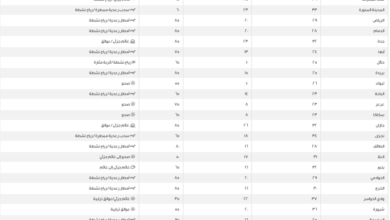
The official spokesperson for the National Center for Meteorology, Hussein Al-Qahtani, confirmed that cities in northern Saudi Arabia are experiencing a significant drop in temperatures. Al-Qahtani noted that Wednesday was the coldest day so far this winter season, with the lowest temperature recorded in the city of Tarif, reaching -3°C, followed by Al-Qurayyat, which recorded -2°C. He urged residents and travelers to take precautions.
Climate context: Why is the North the gateway to cold?
This cold wave is part of the natural climate of northern Saudi Arabia, which is directly affected by cold air masses originating from Siberia and the eastern Mediterranean. The Northern Borders, Al-Jawf, and Tabuk regions are historically known as the first point of entry for polar waves, due to their geographical location and altitude, making them prone to record-breaking sub-zero temperatures, frost, and sometimes snowfall. This attracts weather enthusiasts and photographers who come to document these natural phenomena.
Weather forecasts and weather alerts
In a related context, the National Center for Meteorology explained that forecasts indicate – God willing – the continuation of cold to very cold weather in the Tabuk, Al-Jawf, Hail, and Northern Borders regions, with a high chance of frost during the early morning hours. The center urged citizens and residents to wear heavy winter clothing and exercise caution while driving in areas experiencing fog or frost.
On another note, the weather conditions are not limited to cold temperatures, but also include surface wind activity that stirs up dust and sand, which may reduce horizontal visibility in parts of the Qassim, Riyadh, and Eastern regions, reaching Najran and the eastern parts of the southwestern highlands, in addition to parts of the Makkah and Madinah regions.