
The tensions and interactions taking place in the Arabian Gulf region are no longer just passing regional events, but have become the core of the struggle for the continuity of "global operating systems," a term that goes beyond the technical concept to include the infrastructure of the international economy, supply chains, and energy security upon which the superpowers depend to keep their industrial and political wheels turning.
Historical context: The Gulf as the heart of the modern world
Historically, since the discovery of oil in commercial quantities in the mid-20th century, the Arabian Gulf has become a cornerstone of the post-World War II global order. The American Carter Doctrine and other Western strategies were founded on the principle that Gulf security is an integral part of the national security of industrialized nations. This historical context makes any current movement in the region an extension of the old struggle for influence, but with modern tools and parameters suited to the 21st century.
The concept of global operating systems in the context of conflict
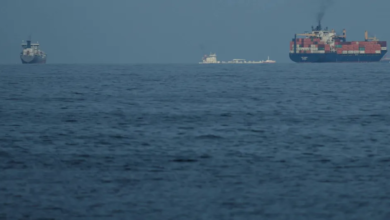
When we speak of the "current Gulf conflict," we are referring to the international scramble to maintain the flow of energy and the stability of waterways such as the Strait of Hormuz and the Bab el-Mandeb Strait. These waterways represent the "operating system" that ensures the efficient functioning of the global economy. Any disruption to this system not only leads to higher oil prices but also threatens to unravel global supply chains, impacting everything from heavy industries in East Asia to financial markets on Wall Street.
Geopolitical dimensions and multipolarity
The Gulf region is currently undergoing a transformation from unipolar hegemony to a multipolar reality. China's emergence as a major economic and diplomatic player, coupled with the desire of regional powers to diversify their strategic alliances, is reshaping the rules of the game. This struggle is not necessarily military, but rather a power struggle to ensure that the existing systems remain compatible with the interests of the various parties. The Gulf states themselves, through their ambitious development visions, seek to be active partners in shaping this new order, rather than merely reserving the role of supplier.
Expected impact: locally and globally
Domestically, this conflict is pushing countries in the region to accelerate economic diversification and investment in technology and renewable energy to ensure their independence. Regionally, it could lead to a reshaping of security and political alliances to guarantee stability. Internationally, the world recognizes that the continuity of its economic systems depends on the stability of this vital part of the world, making the "Gulf War" a barometer for the health and stability of the entire global order.