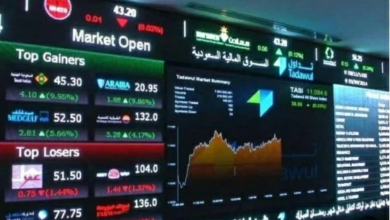

أظهرت البيانات الرسمية الصادرة عن السوق المالية السعودية "تداول" تطوراً ملحوظاً في أداء السوق الموازية، حيث كشف التقرير الأسبوعي المختص بقيم ملكية المستثمرين ونسبتها من القيمة الكلية أن مجموع القيمة السوقية للأسهم المدرجة في سوق "نمو" قد سجل ارتفاعاً ليصل إلى نحو 42.27 مليار ريال بنهاية الأسبوع المنتهي في 25 ديسمبر 2025. ويمثل هذا الرقم نموًا إيجابياً بنسبة تقارب 0.31% مقارنة بالأسبوع الذي سبقه، مما يعكس استمرار جاذبية السوق الموازية للسيولة الاستثمارية.
تفاصيل ملكية الأجانب وتداولات السوق
وفي سياق تفصيلي حول هيكلة الملكية، أوضح التقرير أن قيمة ملكية المستثمر الأجنبي شكلت ما نسبته 1.28% من إجمالي القيمة السوقية للأسهم المدرجة في "نمو" كما في التاريخ المذكور. وتعد هذه النسبة مؤشراً هاماً على التوجه التدريجي للمستثمرين الدوليين نحو استكشاف الفرص في الشركات الصغيرة والمتوسطة المدرجة في السوق السعودية.
وعلى صعيد التداولات اليومية، شهدت الجلسة تراجعاً في المؤشرات، حيث أغلق مؤشر الأسهم السعودية الموازية (نمو) منخفضاً بمقدار 186.91 نقطة، ليستقر عند مستوى 23,244.02 نقطة. وبلغت قيمة التداولات نحو 17.2 مليون ريال، في حين تجاوزت كمية الأسهم المتداولة حاجز الـ 2.8 مليون سهم، مما يشير إلى نشاط بيعي ضغط على المؤشر رغم ارتفاع القيمة السوقية الإجمالية الأسبوعية.
أداء السوق الرئيسية (تاسي)
بالتوازي مع ذلك، لم تكن السوق الرئيسية بمعزل عن موجة التراجع، حيث انخفض مؤشر الأسهم السعودية الرئيسي (تاسي) بمقدار 109.44 نقطة، ليغلق عند مستوى 10,416.65 نقطة. وسجلت التداولات في السوق الرئيسية قيمة بلغت 2.3 مليار ريال، وهو ما يعكس حالة من الترقب والحذر بين المتداولين في تلك الفترة.
السياق الاقتصادي وأهمية السوق الموازية
تكتسب هذه الأرقام أهمية خاصة عند النظر إليها في سياق رؤية المملكة 2030، التي تهدف إلى تعميق القطاع المالي وزيادة مساهمة الشركات الصغيرة والمتوسطة في الناتج المحلي الإجمالي. تأسست سوق "نمو" كمنصة بديلة بمتطلبات إدراج أكثر مرونة مقارنة بالسوق الرئيسية، لتكون حاضنة للشركات الواعدة التي تسعى للنمو والتوسع.
ويشير الخبراء الاقتصاديون إلى أن وصول القيمة السوقية إلى مستويات تتجاوز 42 مليار ريال يعد دليلاً على نضج السوق الموازية وقدرتها على استقطاب رؤوس الأموال. كما أن وجود ملكية أجنبية، وإن كانت بنسب محدودة حالياً، يفتح الباب أمام تدفقات نقدية أجنبية مستقبلية، خاصة مع استمرار هيئة السوق المالية في تطوير التشريعات لزيادة الشفافية ورفع كفاءة السوق.
إن التباين بين الارتفاع الأسبوعي في القيمة السوقية والانخفاض اليومي للمؤشر يعكس طبيعة أسواق المال التي تتأثر بعوامل العرض والطلب اللحظية، بينما تعبر القيمة السوقية الإجمالية عن النمو الهيكلي للشركات المدرجة وإدراجات جديدة محتملة تعزز من عمق السوق.