Saudi Arabia and Turkey: Visa exemption for special and diplomatic passports

A new step to deepen the partnership between Riyadh and Ankara
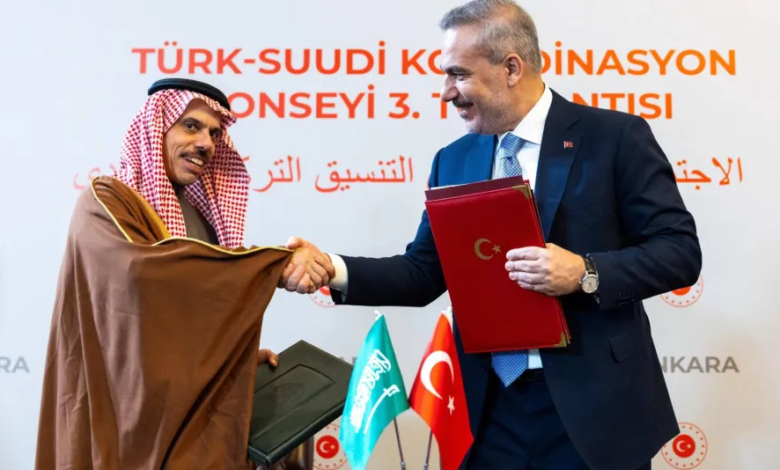
In a significant diplomatic move reflecting the deepening of bilateral relations, the Kingdom of Saudi Arabia and the Republic of Turkey signed a mutual visa exemption agreement for holders of diplomatic, special, and service passports. This agreement, signed by Saudi Foreign Minister Prince Faisal bin Farhan and his Turkish counterpart Hakan Fidan, represents the culmination of a new phase of cooperation and coordination between the two major regional powers.
Historical context and development of relations
This agreement comes amid a marked improvement and growing warmth in Saudi-Turkish relations in recent years. After a period of diplomatic coolness, relations have witnessed a positive turning point with an intensification of high-level visits, most notably the visit of Saudi Crown Prince Mohammed bin Salman to Ankara in June 2022 and the visit of Turkish President Recep Tayyip Erdoğan to the Kingdom in July 2023. These visits were not limited to official protocols but resulted in the signing of a package of memoranda of understanding and agreements in diverse fields, including direct investment, defense industries, energy, and media, thus paving the way for strengthening mutual trust and deepening the strategic partnership.
This rapprochement is seen as part of a broader regional trend towards zeroing out problems and promoting diplomacy and dialogue to resolve disputes, which contributes to reshaping alliances in the Middle East region and enhances opportunities for stability and development.
Strategic importance and expected impact
The importance of the visa waiver agreement extends far beyond simply facilitating logistical procedures for officials and diplomats; it encompasses deeper strategic, political, and economic dimensions. On a bilateral level, the agreement sends a clear message of mutual trust and a desire to remove all obstacles to direct communication and coordination between the institutions of both countries, thus accelerating the implementation of joint projects and the pursuit of issues of mutual interest.
Regionally, the strengthening of relations between Riyadh and Ankara, two of the largest economies in the G20 and key players in the Islamic world, enhances the strategic balance in the region. Coordination between them can lead to the development of common positions on many complex regional issues and contribute more effectively to efforts to achieve security and stability. Internationally, this renewed alliance gives both countries greater political weight on the global stage and strengthens their role in international organizations such as the Organization of Islamic Cooperation and the G20.
This diplomatic move is also expected to have positive economic repercussions, as it sends a reassuring signal to investors and businesspeople in both countries, and encourages an increase in the volume of trade exchange, which both sides aspire to raise to new record levels in the coming years.