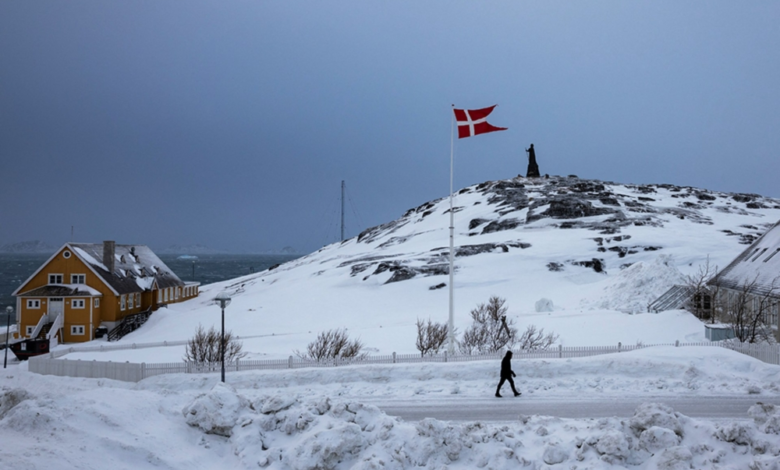

Denmark expressed its satisfaction and optimism regarding the future of its relations with the United States concerning Greenland, following a high-level meeting in Washington. Danish Foreign Minister Lars Løkke Rasmussen stated that the previously tense atmosphere had dissipated, describing the recently launched technical talks as "very constructive" and a significant step towards strengthening bilateral cooperation.
Speaking to reporters on the sidelines of an EU meeting in Brussels, Rasmussen affirmed that "a major shift has occurred in the course of events; after things were heading towards escalation, we are now back on the right diplomatic track." The Danish minister added, "I feel much more optimistic today than I did a week ago," noting that while Wednesday's meeting did not resolve all outstanding issues, it laid a solid foundation for further dialogue.
Background to the tension and the de-escalation of statements
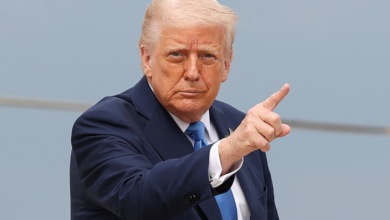
This diplomatic breakthrough comes after a period of tension sparked by statements from US President Donald Trump, who hinted at Washington's desire to annex or purchase Greenland, a move Denmark and the island's self-governing authorities considered an infringement on their sovereignty. However, Trump softened his tone last week, indicating that a framework agreement had been reached with NATO Secretary General Mark Rutte, guaranteeing the United States greater influence in the Arctic region without compromising Danish sovereignty. This helped to ease concerns within NATO.
The strategic importance of Greenland in the Arctic
This growing American interest in Greenland cannot be separated from the global geopolitical context. The world's largest island occupies a vital strategic location within the Arctic Circle. As ice melts due to climate change, new shipping lanes are opening up and opportunities for extracting natural resources and rare minerals are emerging, making the region an arena for international competition among major powers, including Russia and China.
Greenland hosts Thule Air Force Base (now known as Petavik Space Base), the northernmost U.S. military base, which plays a pivotal role in the ballistic missile early warning system and North American defense. Therefore, Washington seeks to ensure its continued military presence and expand its capabilities to monitor increased activity in the Arctic.
The future of defense agreements
The current talks are expected to lead to a renegotiation of the 1951 defense treaty between the United States and Denmark, which defines the terms of the US military presence on the island. Copenhagen and the Greenlandic authorities are seeking a formula that guarantees the national security of the United States and NATO, while simultaneously respecting national sovereignty and providing economic benefits to the island's inhabitants, without any proposals involving territorial concessions.