Defense cooperation between Egypt and Turkey: Dimensions of changing the balance of power

The geopolitical landscape in the Middle East is witnessing a remarkable strategic shift with the accelerating rapprochement between the two major regional powers, Egypt and Turkey. Talk of normalizing relations between Cairo and Ankara is no longer mere diplomatic speculation, but has become a tangible reality, culminating in the defense cooperation agreement between the two countries, which is considered a cornerstone in restoring influence and altering the balance of power in the region.
Context of transformation: From stagnation to strategic partnership
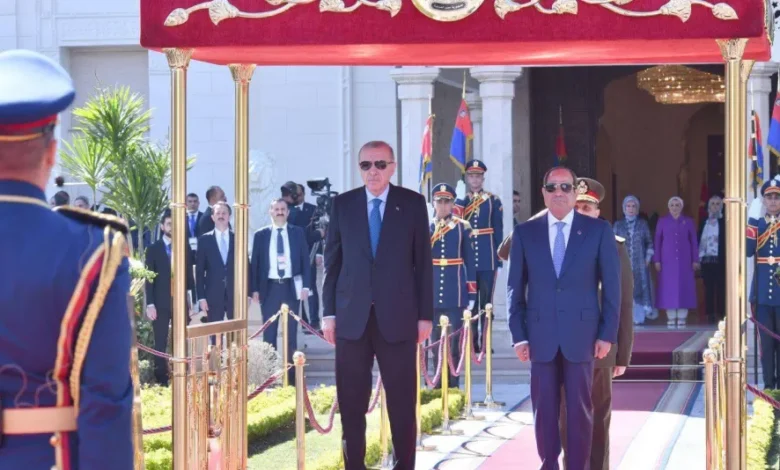
To understand the significance of this military cooperation, it is essential to examine the historical context of the past decade. After years of diplomatic stagnation and tension that had characterized relations since 2013, both sides recognized that shared interests and escalating regional challenges necessitated setting aside their differences. High-level reciprocal visits between the two countries' leaderships underscored a genuine intention to build a strategic partnership, with security and military matters taking center stage in these discussions, given that both nations possess some of the strongest militaries in the region.
Dimensions of military cooperation and defense manufacturing
Reports and analyses indicate that defense cooperation extends beyond traditional military exercises to include military manufacturing and technology transfer. Turkish drones (such as the Bayraktar) stand out as a key area of focus, alongside Egypt's growing military manufacturing capabilities. Integrating advanced Turkish drone technology with Egypt's military industrial infrastructure would create a qualitative deterrent force and enhance the military decision-making independence of both countries, reducing their reliance on traditional Western arms sources.
Regional impact: Libya and the Eastern Mediterranean
This rapprochement is directly reflected in the region's hotspots, particularly in Libya and the Eastern Mediterranean. Libya, once an arena of competition, has seen Egyptian-Turkish coordination become key to stability, paving the way for the unification of Libyan military institutions. In the Eastern Mediterranean, the alignment between Cairo and Ankara is redrawing energy maps and maritime alliances, giving both countries significant leverage against other blocs and ensuring the protection of their economic interests related to natural gas.
Strategic messages for the world
Strengthening defense cooperation between Egypt and Turkey sends a clear message to international and regional powers that the region is moving towards forging a new, homegrown security order. This alliance not only aims to protect the national security of both countries but also seeks to fill the strategic vacuum that could be left by shifts in US policy or European preoccupation with internal crises, thus positioning Cairo and Ankara as indispensable pillars in any future security arrangements in the Middle East and North Africa.