
مقدمة: المشهد السياسي في جيبوتي
تتجه الأنظار نحو المشهد السياسي في جمهورية جيبوتي، حيث يقترب الرئيس الحالي إسماعيل عمر غيله من تأمين ولاية رئاسية سادسة، في ظل مشهد تتخله العديد من التحديات السياسية والاقتصادية. يمثل هذا التطور استمراراً لحالة الاستقرار السياسي التي عرفتها البلاد منذ عقود، ولكنه يطرح في الوقت ذاته تساؤلات حول مستقبل التنمية والديمقراطية في هذه الدولة الاستراتيجية الواقعة في منطقة القرن الأفريقي.
السياق العام والخلفية التاريخية
تولى إسماعيل عمر غيله مقاليد الحكم في جيبوتي عام 1999، خلفاً لعمه حسن جوليد أبتيدون، الذي كان أول رئيس للبلاد بعد الاستقلال عن فرنسا عام 1977. منذ ذلك الحين، تمكن غيله من إحكام سيطرته على المشهد السياسي، وفاز في عدة استحقاقات انتخابية متتالية. وفي عام 2010، أقر البرلمان الجيبوتي تعديلات دستورية أثارت جدلاً واسعاً، حيث ألغت القيود المفروضة على عدد الفترات الرئاسية، مما مهد الطريق للرئيس غيله للترشح لولايات إضافية. وقد اتسمت معظم الانتخابات السابقة بمقاطعة أجزاء واسعة من المعارضة التي طالما طالبت بإصلاحات سياسية شاملة وضمانات لشفافية العملية الانتخابية.
الأهمية الاستراتيجية لجيبوتي وتأثير الحدث دولياً وإقليمياً
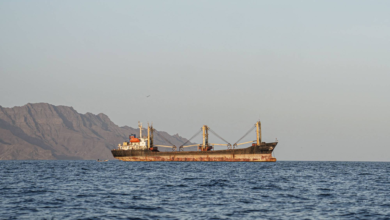
تكتسب الانتخابات الرئاسية في جيبوتي أهمية بالغة تتجاوز حدودها الجغرافية الصغيرة، وذلك بفضل موقعها الجيوسياسي الفريد. تقع جيبوتي على مضيق باب المندب، وهو أحد أهم الممرات المائية للتجارة العالمية ونقل الطاقة بين البحر الأحمر وخليج عدن. هذا الموقع جعل من جيبوتي نقطة ارتكاز أمني وعسكري للقوى الكبرى؛ حيث تستضيف أراضيها قواعد عسكرية أمريكية (معسكر ليمونييه)، وفرنسية، وصينية، ويابانية.
على المستوى الدولي، تفضل القوى الكبرى الحفاظ على الوضع القائم والاستقرار الذي يوفره نظام غيله، لضمان أمن قواعدها العسكرية واستمرار تدفق التجارة البحرية دون انقطاع. أما إقليمياً، فإن جيبوتي تلعب دوراً حيوياً في منطقة القرن الأفريقي المضطربة، خاصة في ظل الصراعات في الصومال وإثيوبيا واليمن، مما يجعل استقرارها الداخلي ضرورة إقليمية ملحة.
التحديات المحلية: الاقتصاد والمعارضة
رغم الاستقرار السياسي وتدفق الاستثمارات الأجنبية، خاصة الصينية منها في مجالات البنية التحتية والموانئ والسكك الحديدية التي تربط جيبوتي بإثيوبيا، يواجه الرئيس إسماعيل عمر غيله في طريقه نحو الولاية السادسة تحديات داخلية جسيمة. من أبرز هذه التحديات ارتفاع معدلات البطالة، لا سيما بين الشباب، وانتشار الفقر في أوساط واسعة من المجتمع الجيبوتي. يطالب المواطنون بتوزيع أكثر عدالة للثروات وعوائد الإيجارات العسكرية والاستثمارات الأجنبية.
سياسياً، لا تزال المعارضة الجيبوتية تعاني من التهميش والتشرذم، وتستمر في المطالبة بفتح المجال العام وتعزيز الحريات الصحفية وحقوق الإنسان. إن قدرة النظام الحاكم على احتواء هذه المطالب وتحسين الأوضاع المعيشية ستكون حاسمة في تحديد مدى نجاح الولاية الرئاسية القادمة في تحقيق التنمية المستدامة.
خلاصة
في الختام، يبدو أن طريق إسماعيل عمر غيله نحو ولاية سادسة ممهد سياسياً بفضل غياب معارضة قوية وموحدة، والدعم الضمني من القوى الدولية التي تضع الاستقرار الأمني على رأس أولوياتها. ومع ذلك، فإن التحدي الحقيقي يكمن في قدرة الحكومة الجيبوتية على تحويل هذا الاستقرار الجيوسياسي إلى رخاء اقتصادي ملموس ينعكس إيجاباً على حياة المواطن العادي، ويضمن مستقبلاً أكثر إشراقاً للأجيال القادمة في جيبوتي.