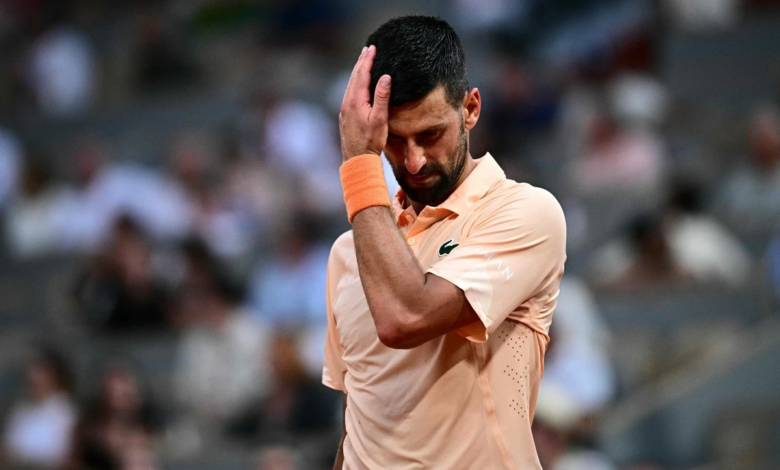

في تطور دراماتيكي هز أرجاء بطولة فرنسا المفتوحة للتنس، أعلن النجم الصربي نوفاك ديوكوفيتش، حامل اللقب والمصنف الأول عالمياً، انسحابه من البطولة بسبب إصابة في الركبة. جاء هذا القرار الصادم قبل مباراته المرتقبة في الدور ربع النهائي ضد النرويجي كاسبر رود، ليضع حداً لآماله في الدفاع عن لقبه وتحقيق لقبه الخامس والعشرين في البطولات الأربع الكبرى (الجراند سلام).
تفاصيل الإصابة والمباراة الماراثونية
تعرض ديوكوفيتش للإصابة خلال مباراته الصعبة في الدور الرابع ضد الأرجنتيني فرانسيسكو سيروندولو، والتي حسمها بصعوبة بالغة بعد عودة ملحمية في خمس مجموعات. خلال المباراة، طلب اللاعب الصربي وقتاً طبياً للعلاج من آلام في ركبته اليمنى، ورغم تمكنه من إكمال المباراة وتحقيق الفوز، إلا أن الفحوصات الطبية التي أجريت لاحقاً كشفت عن وجود تمزق في الغضروف المفصلي للركبة، مما استدعى اتخاذ قرار الانسحاب لحماية مسيرته المهنية وتجنب تفاقم الإصابة.
السياق التاريخي وأهمية رولان غاروس
تُعد بطولة رولان غاروس، التي تقام على الملاعب الترابية في باريس، واحدة من أصعب وأعرق البطولات في عالم التنس. بالنسبة لديوكوفيتش، الذي يبلغ من العمر 37 عاماً، كانت هذه البطولة تمثل فرصة لتعزيز رقمه القياسي كأكثر اللاعبين فوزاً بألقاب الجراند سلام. دخوله البطولة كحامل للقب وضعه تحت ضغط كبير، خاصة في ظل موسم لم يكن مثالياً بالنسبة له من حيث النتائج. وقد أظهر ديوكوفيتش روحاً قتالية استثنائية في مباراتيه الأخيرتين ضد لورينزو موسيتي وسيروندولو، حيث عاد من تأخره في كلتيهما ليحقق الفوز في خمس مجموعات، مما أرهق جسده بشكل كبير وربما ساهم في حدوث الإصابة.
التأثير المحلي والدولي للانسحاب
لم يقتصر تأثير انسحاب ديوكوفيتش على البطولة نفسها، بل امتد ليغير خريطة التنس العالمية. على الصعيد المباشر، تأهل كاسبر رود تلقائياً إلى الدور نصف النهائي دون خوض مباراته. أما التأثير الأكبر فكان على صدارة التصنيف العالمي للمحترفين، حيث ضمن الإيطالي الشاب يانيك سينر صعوده إلى المركز الأول عالمياً للمرة الأولى في تاريخه، ليصبح أول لاعب إيطالي يحقق هذا الإنجاز التاريخي. يمثل هذا التحول نهاية لهيمنة ديوكوفيتش على الصدارة وبداية محتملة لحقبة جديدة في عالم تنس الرجال، يقودها جيل من اللاعبين الشباب مثل سينر وكارلوس ألكاراز. كما يلقي هذا الانسحاب بظلال من الشك حول جاهزية ديوكوفيتش للمشاركة في بطولة ويمبلدون ودورة الألعاب الأولمبية في باريس، والتي يعتبرها هدفاً رئيسياً له هذا العام.