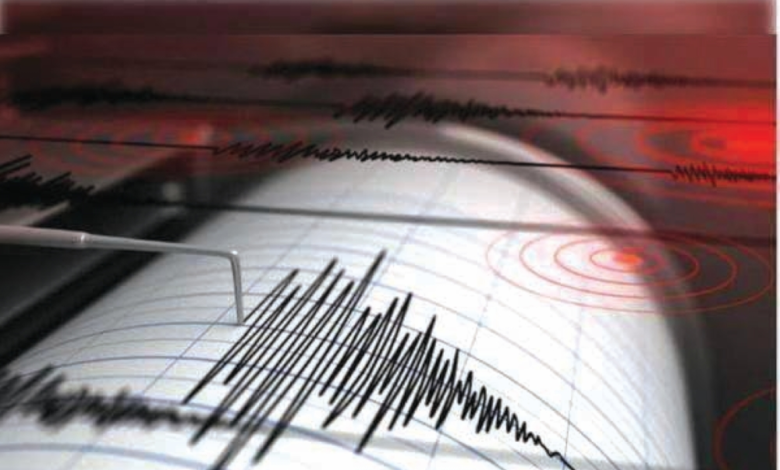
A 5.1 magnitude earthquake strikes Easter Island in Chile, no tsunami warnings issued

The U.S. Geological Survey (USGS) reported on Thursday that a 5.1 magnitude earthquake struck southeast of Easter Island, a Chilean territory. According to the USGS, the quake's epicenter was located 10 kilometers below the sea surface, approximately 382.5 kilometers northwest of Hanga Roa, the island's capital and main city.
In the initial details of the event, neither the local authorities nor the global warning centers issued any immediate warnings about the possibility of tsunami waves as a result of this earthquake, and there were no reports of casualties or material damage to the island's infrastructure, given the distance of the earthquake's epicenter from populated areas.
Geological context and the Ring of Fire
This earthquake is part of the natural seismic activity in this region of the world, as Chile and its islands lie within the Pacific Ring of Fire. This region is a vast arc stretching 40,000 kilometers, characterized by intense seismic and volcanic activity resulting from the movement of tectonic plates. Specifically, the region is affected by the movement of the oceanic Nazca Plate, which slides beneath the South American Plate, generating immense geological pressure that is released in the form of frequent earthquakes.
Chile's history with earthquakes
Chile is one of the world's most earthquake-prone countries and has a long history of devastating tremors, including the 1960 earthquake that remains the strongest in recorded human history at 9.5 magnitude. Because of this history, Chile has developed strict building codes and sophisticated early warning systems to cope with these natural disasters, which often contributes to reducing losses compared to other countries.
Easter Island and its geographical isolation
It is worth noting that Easter Island (or Rapa Nui, as the indigenous people call it) is famous for its giant moai statues and is one of the most isolated inhabited places in the world. Despite being located in a seismically active region, its remote location in the middle of the Pacific Ocean generally means that earthquakes striking its surroundings have a limited impact on land, unless they are of immense power enough to generate transoceanic tsunamis, which did not occur in today's earthquake.